Hyperhidrosis Treatment in Cheongdam, Gangnam, Seoul
Stay dry for months with sweat-reducing injections.
Medically reviewed by Dr. Jang Ju-wang, board-certified dermatologist · Updated October 2026
- Board-Certified Dermatologists
- English WhatsApp Support
- Genuine Authorised Devices
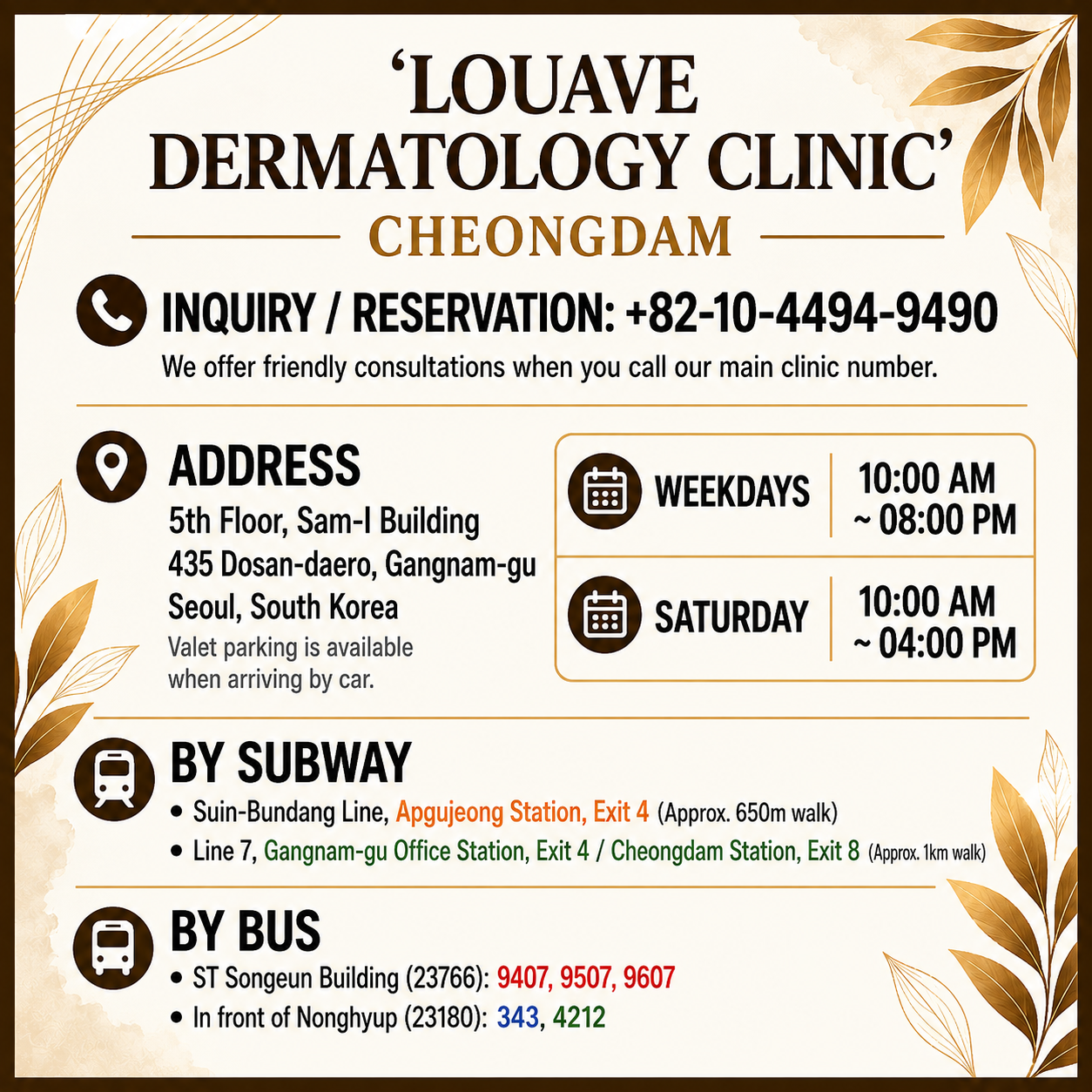
- Apgujeong Rodeo Station Exit 4
Hyperhidrosis treatment at Louave in Cheongdam, Gangnam, Seoul reduces excessive sweating of the underarms, palms and feet with botulinum toxin injections, so you stay dry for months. For a full medical work-up and other options, see our medical hyperhidrosis page.
- Clinic
- Louave Dermatology Clinic (루아베 피부과의원)
- Location
- 5F Sami Building, 435 Dosan-daero, Cheongdam-dong, Gangnam-gu, Seoul
- Getting here
- 650 m from Apgujeong Rodeo Station Exit 4 · valet parking
- Doctors
- Board-certified dermatologists Dr. Jang Ju-wang & Dr. Kim Do-hyun
- Languages
- English & Korean · WhatsApp +82-10-4494-9490
- Hours
- Mon–Fri 10:00–20:00 · Sat 10:00–16:00 (KST)
Typical values; your dermatologist confirms what applies to you at consultation.
How Hyperhidrosis Treatment works
Fine injections of botulinum toxin block the nerve signals that switch on sweat glands in the treated area.
What Hyperhidrosis Treatment can help with
- Underarm sweating
- Sweaty palms
- Sweaty feet
- Sweat marks on clothes
- Sweating that affects work or confidence
- Sweating in hot Korean summers
Who it may not suit: you are pregnant or breastfeeding, or have a neuromuscular disorder.
The Hyperhidrosis Treatment process at Louave
Consultation
A board-certified dermatologist examines your skin and confirms Hyperhidrosis Treatment is right for you.
Preparation
Tell the dermatologist about your medicines, pregnancy and recent treatments. The area is assessed and marked, and numbing or cooling is applied if needed.
Treatment
The treatment is performed by or under the supervision of a board-certified dermatologist using genuine, authorised devices and products.
Aftercare
Mild redness, swelling or tenderness usually settles quickly. Follow the English aftercare sheet and message us on WhatsApp with any questions.
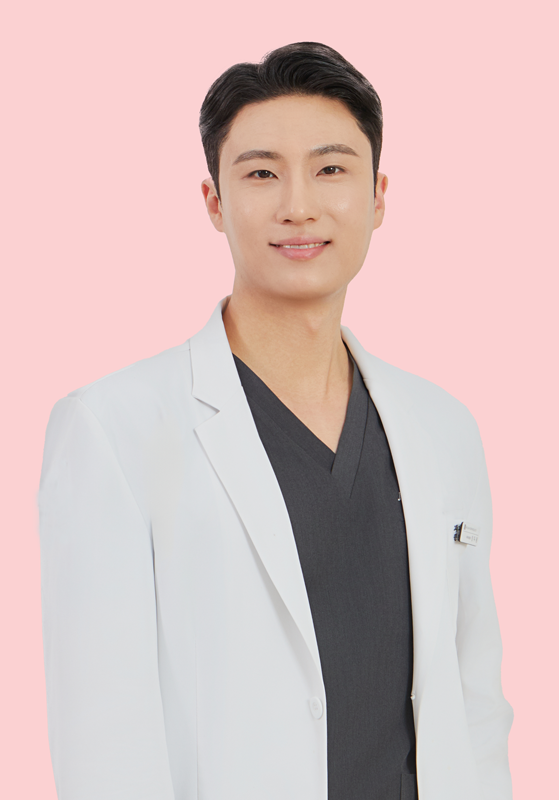
Planned and performed by board-certified dermatologists
This Hyperhidrosis Treatment page was reviewed by Dr. Jang Ju-wang, Medical Director of Louave Dermatology Clinic and board-certified dermatologist. Dr. Jang graduated with highest honours from Hanyang University College of Medicine and completed his dermatology residency at Hanyang University Hospital. He works alongside Dr. Kim Do-hyun, board-certified dermatologist and member of the Korean Society for Laser Dermatology.
Hyperhidrosis Treatment FAQ
How long does it last?
Commonly several months; underarm results often last longest.
Is it safe?
Yes, when performed by a dermatologist with genuine products.
Can I go out straight after?
Yes, but avoid saunas and hard exercise for a day.
How do I book as an international patient?
Message us on WhatsApp (+82-10-4494-9490) or Instagram @louave_global with your goals and travel dates. Our English-speaking team will suggest an appointment time.
How do I book Hyperhidrosis Treatment as an international patient?
Message us on WhatsApp (+82-10-4494-9490) or Instagram @louave_global with your concern and travel dates. Our English-speaking team suggests a consultation time at our clinic at 435 Dosan-daero, Cheongdam, Gangnam, Seoul.
Book Hyperhidrosis Treatment in Cheongdam
Tell us your concern and travel dates. Our English-speaking team replies on WhatsApp.