Advanced Dermatology Treatments in Seoul
Advanced Dermatology Treatments in Seoul
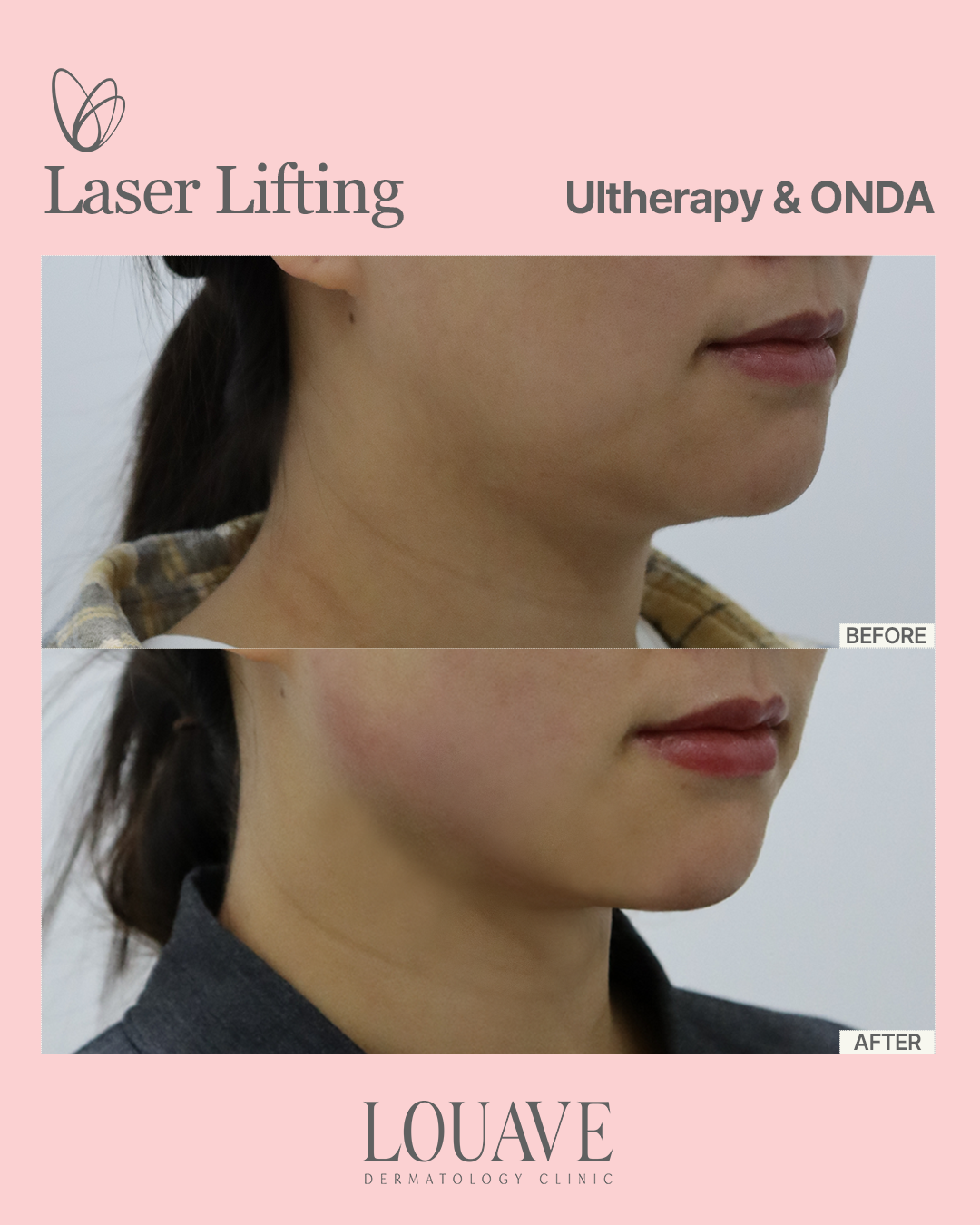
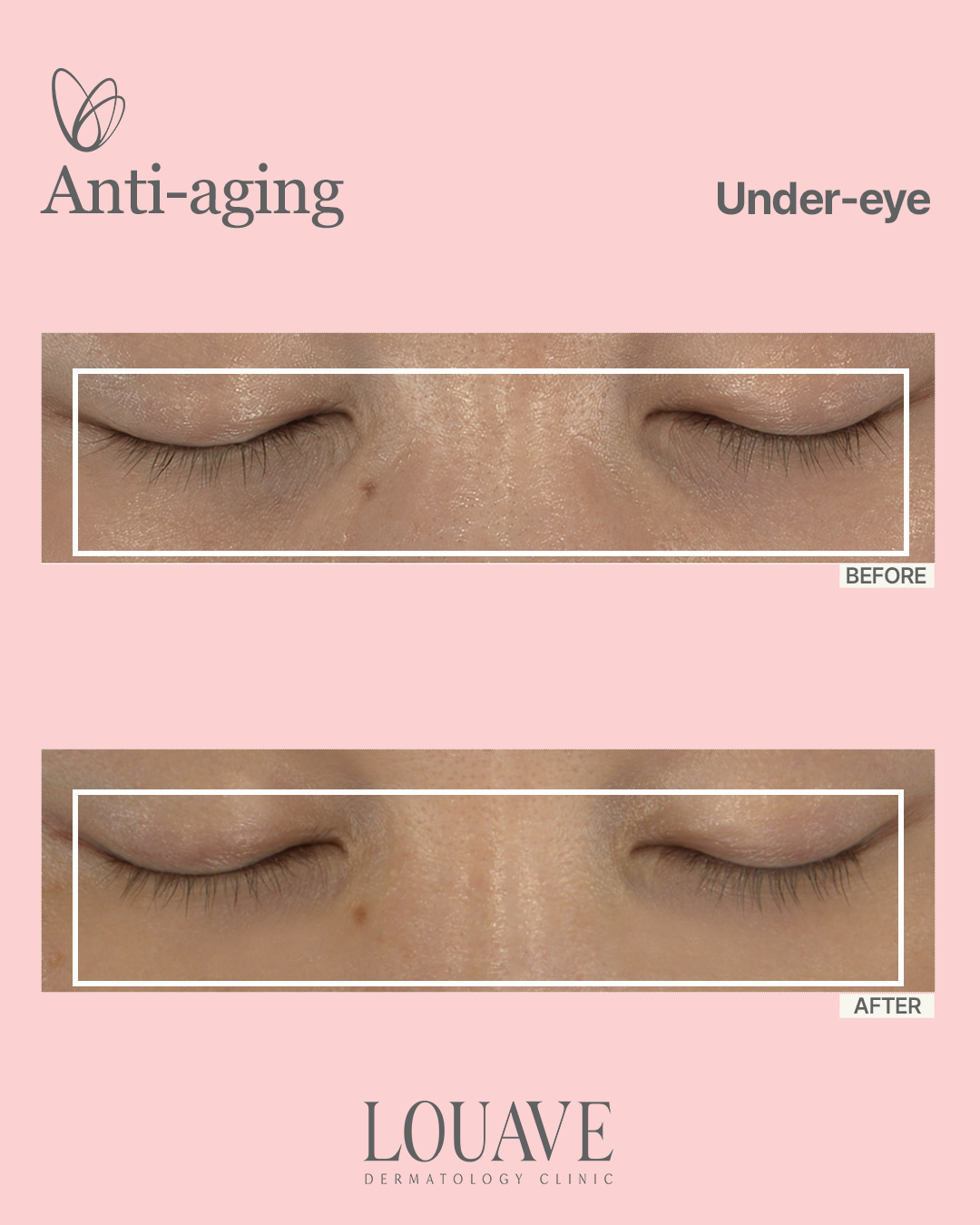
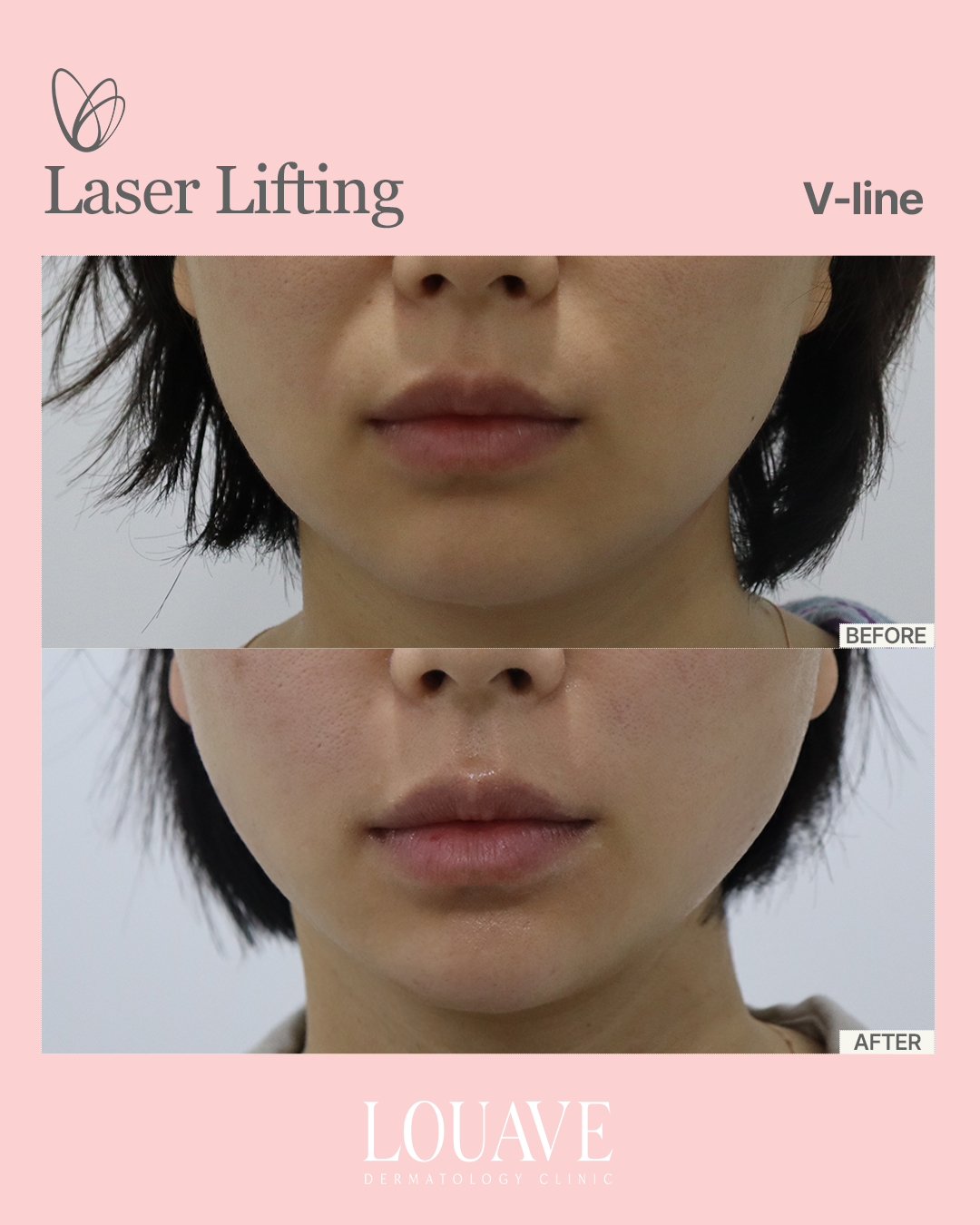
Advanced dermatology treatments in Seoul may include precision laser therapy, fractional resurfacing, radiofrequency microneedling, injectables, and combination procedures for pigmentation, scars, redness, wrinkles, and facial aging.
The newest device is not automatically the best treatment. Safe results depend on an accurate diagnosis, appropriate settings, physician experience, skin tone, medical history, and realistic treatment goals.
Start With a Dermatology Assessment
Before selecting a procedure, the dermatologist may evaluate:
- Active acne or inflammation
- Pigmentation type and depth
- Facial redness and visible vessels
- Scar shape and severity
- Skin-barrier condition
- Facial muscle movement
- Volume loss
- Skin laxity
- Previous procedures
- History of pigmentation or abnormal scarring
Similar-looking concerns may require different treatments. Melasma, freckles, post-inflammatory pigmentation, and sun spots should not automatically receive the same laser.
Active dermatitis, infection, rosacea, or inflamed acne may need medical treatment before an elective procedure begins.
Advanced Pigment and Vascular Lasers
Laser treatment can target specific structures within the skin.
Depending on the diagnosis, options may include:
- Pigment lasers for selected brown spots
- Picosecond or Q-switched systems
- Vascular lasers for visible vessels
- Light-based treatment for selected pigment and redness
- Fractional lasers for texture and scars
Laser selection depends on the target’s color, depth, and biological characteristics. Wavelength, pulse duration, energy, cooling, and treatment density all influence the result and complication risk.
Patients with melasma, recent tanning, or a history of post-inflammatory hyperpigmentation may require conservative settings, staged treatment, or a different approach.
Fractional Laser Resurfacing
Fractional resurfacing creates microscopic treatment zones while leaving surrounding skin available to support healing.
It may be considered for:
- Acne scars
- Fine lines
- Rough texture
- Sun damage
- Enlarged-looking pores
- Selected pigmentation concerns
Non-ablative fractional lasers generally preserve the skin surface and involve less recovery, but several sessions may be needed. Ablative fractional lasers, including fractional CO2 treatment, can produce stronger resurfacing but involve more redness, swelling, peeling, and pigmentation risk.
The treatment intensity should match the severity of the concern and the patient’s available downtime.
Microneedling and Radiofrequency Treatment
Microneedling creates controlled microscopic injuries that stimulate a healing response. It may help improve selected acne scars, fine lines, and uneven texture.
Radiofrequency microneedling combines needles with heat delivered below the skin surface. It may be considered for:
- Acne scars
- Rough texture
- Mild laxity
- Enlarged-looking pores
- Gradual collagen remodeling
Possible temporary reactions include redness, swelling, pinpoint bleeding, dryness, and small crusts.
Several sessions are often required. Treatment should be delayed when active infection, severe inflammation, or significant barrier damage is present.
Chemical Peels and Controlled Resurfacing
Chemical peels range from superficial treatments to deeper procedures that create more substantial skin injury.
They may be used for:
- Mild acne
- Rough surface texture
- Post-acne marks
- Selected pigmentation
- Fine lines
- Sun-related damage
Peel depth determines both the potential improvement and recovery burden. Medium and deep peels carry greater risks of prolonged redness, pigment changes, infection, and scarring.
Patients with pigmentation-prone skin should receive carefully selected peel strength and aftercare rather than assuming that stronger peeling will create faster brightening.
Botulinum Toxin and Facial Movement
Botulinum toxin temporarily reduces selected muscle activity and is commonly used for forehead lines, frown lines, and crow’s feet.
Results usually begin appearing within several days, while normal daily activities can often resume shortly after treatment.
A personalized injection plan should consider:
- Muscle strength
- Eyebrow position
- Existing asymmetry
- Facial proportions
- Desired amount of movement
- Previous treatment response
Advanced treatment should not mean completely freezing every facial muscle. Conservative placement can soften expression lines while preserving a natural appearance.
Dermal Fillers and Structural Rejuvenation
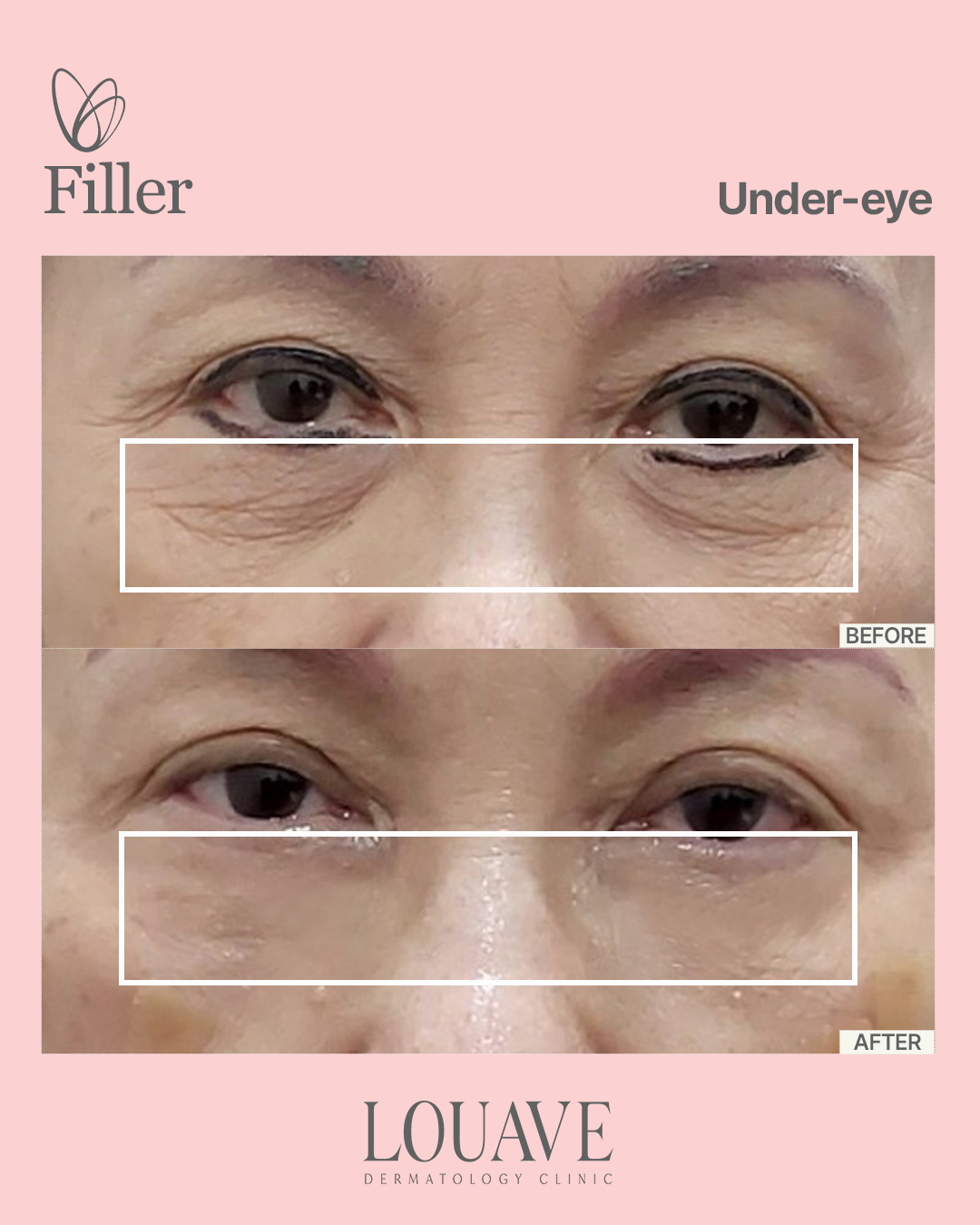
Dermal fillers may restore volume or support selected facial areas, including the cheeks, temples, lips, chin, and deeper folds.
Patients should ask about:
- Exact product
- Manufacturer
- Treatment area
- Planned amount
- Injection depth
- Expected duration
- Whether the product is reversible
- Emergency management
Fillers are medical implants. Rare injection into a blood vessel can cause skin necrosis, visual impairment, blindness, or stroke.
The injector should understand facial anatomy and be prepared to recognize and manage complications immediately.
Why Advanced Treatments Are Often Combined
One procedure cannot correct every component of skin aging or scarring.
A staged plan may combine:
- Medical skincare for maintenance
- Pigment treatment for brown spots
- Vascular laser for redness
- Fractional treatment for scars
- Botulinum toxin for expression lines
- Limited filler for genuine volume loss
Fillers may be combined with laser or botulinum toxin when each treatment addresses a separate concern.
Combination treatment does not necessarily mean performing everything during one appointment. Separating procedures reduces excessive inflammation and allows each result to be evaluated before further treatment is added.
Planning Treatment During Your Stay
International patients should tell the clinic about:
- Length of stay
- Departure date
- Important events
- Available recovery time
- Current medication and skincare
- Previous lasers or injectables
- History of melasma or dark marks
- Recent sun exposure
- Follow-up options after returning home
Stronger resurfacing may require several days or weeks of visible recovery. Biopsies, stitch removal, and multi-session treatments may also be unsuitable for a very short visit.
Korea’s Medical Korea system allows patients to check institutions registered to serve foreign patients and view evaluation or accreditation information. Registration is a useful administrative check, but it does not replace confirming the treating doctor’s qualifications and procedure experience.
Questions to Ask During Consultation
Consider asking:
- What is my exact diagnosis?
- Which treatment targets my main concern?
- Is the procedure suitable for my skin tone?
- Do I need a test spot?
- Can treatment begin conservatively?
- How many sessions are realistic?
- What downtime should I expect?
- Who will perform the procedure?
- How are complications managed?
- How will follow-up continue after I leave Seoul?
Advanced Treatment Should Remain Personalized
Advanced dermatology is not defined by using the most expensive machine, highest energy, or largest combination package.
The most appropriate plan identifies the diagnosis, selects technology that matches the treatment target, adjusts settings for the patient’s skin, and allows sufficient recovery and follow-up.
For patients considering advanced dermatology treatments in Seoul, specialist-led assessment and conservative planning are more important than the number of procedures performed.