Why Korean Dermatologists Focus on Skin Quality
Why Korean Dermatologists Focus on Skin Quality
Korean dermatology often emphasizes skin quality rather than treating wrinkles or facial volume alone. Skin quality describes the overall appearance and function of the skin, including hydration, texture, tone, elasticity, firmness, redness, and surface smoothness.
This approach aims to make the skin look healthier and more even while preserving natural facial proportions. It may involve skincare, medical treatment, lasers, resurfacing, or carefully selected injections depending on the patient’s actual concerns.
What Does Skin Quality Include?
Skin quality is not defined by one measurement. It may include:
- Hydration
- Skin-barrier function
- Smoothness
- Elasticity
- Firmness
- Even pigmentation
- Controlled redness
- Fine-line severity
- Pore visibility
- Light reflection
Clinical literature commonly organizes skin quality into visible, mechanical, and surface-related characteristics. This explains why two patients of the same age may require completely different treatments.
One patient may mainly have dryness and roughness, while another may have pigmentation, redness, or reduced elasticity.
Healthy-Looking Skin Can Change the Entire Face
A face may look tired or older even without deep wrinkles or major volume loss.
Possible causes include:
- Uneven pigmentation
- Persistent redness
- Rough texture
- Dehydration
- Acne marks
- Enlarged-looking pores
- Fine surface lines
- Dull light reflection
Improving these concerns can create a fresher appearance without significantly changing facial shape.
This is one reason dermatologists may recommend treating pigmentation, inflammation, or texture before considering filler or more extensive facial-contouring procedures.
Pigmentation Is Often a Major Concern
Many patients seeking dermatology care in Korea are concerned about:
- Freckles
- Sun spots
- Melasma
- Post-acne dark marks
- Uneven skin tone
- Pigmentation after irritation
These conditions may look similar but require different treatment plans. Melasma, for example, should be assessed according to skin tone, pigment depth, and personal triggers.
Treatment may include:
- Daily sunscreen
- Prescription skincare
- Pigment-control ingredients
- Chemical peels
- Carefully selected lasers
- Long-term maintenance
Aggressive treatment is not always better. Excessive heat or inflammation may worsen pigmentation in susceptible skin.
Skin Texture Reflects More Than Wrinkles
Texture is influenced by the condition of both the surface and deeper supporting tissue.
Common texture concerns include:
- Roughness
- Fine lines
- Acne scars
- Flaking
- Uneven pores
- Reduced elasticity
- Sun-related damage
Skin aging involves both intrinsic biological changes and extrinsic factors such as ultraviolet exposure, smoking, and pollution.
A dermatologist may recommend:
- Retinoid-based skincare
- Superficial chemical peels
- Microneedling
- Non-ablative fractional laser
- Fractional resurfacing
- Scar-specific combination treatment
The choice depends on the depth and cause of the irregularity. A mild surface concern does not necessarily require aggressive resurfacing.
Hydration and the Skin Barrier Come First
Dry, irritated, or inflamed skin often looks dull and reflects light unevenly.
Before performing elective procedures, dermatologists may focus on:
- Gentle cleansing
- Regular moisturization
- Reducing excessive exfoliation
- Controlling dermatitis or rosacea
- Avoiding irritating products
- Improving daily sun protection
A damaged skin barrier may increase burning, redness, peeling, and sensitivity after treatment. Stabilizing it first can make later procedures safer and more predictable.
Injectables or lasers cannot compensate for an untreated inflammatory skin condition.
Collagen Treatment Requires Realistic Expectations
Collagen provides important structural support within the skin. Aging is associated with reduced collagen production and increased collagen breakdown.
Treatments intended to support gradual remodeling may include:
- Microneedling
- Radiofrequency microneedling
- Non-ablative fractional lasers
- Fractional ablative lasers
- Selected collagen-stimulating injections
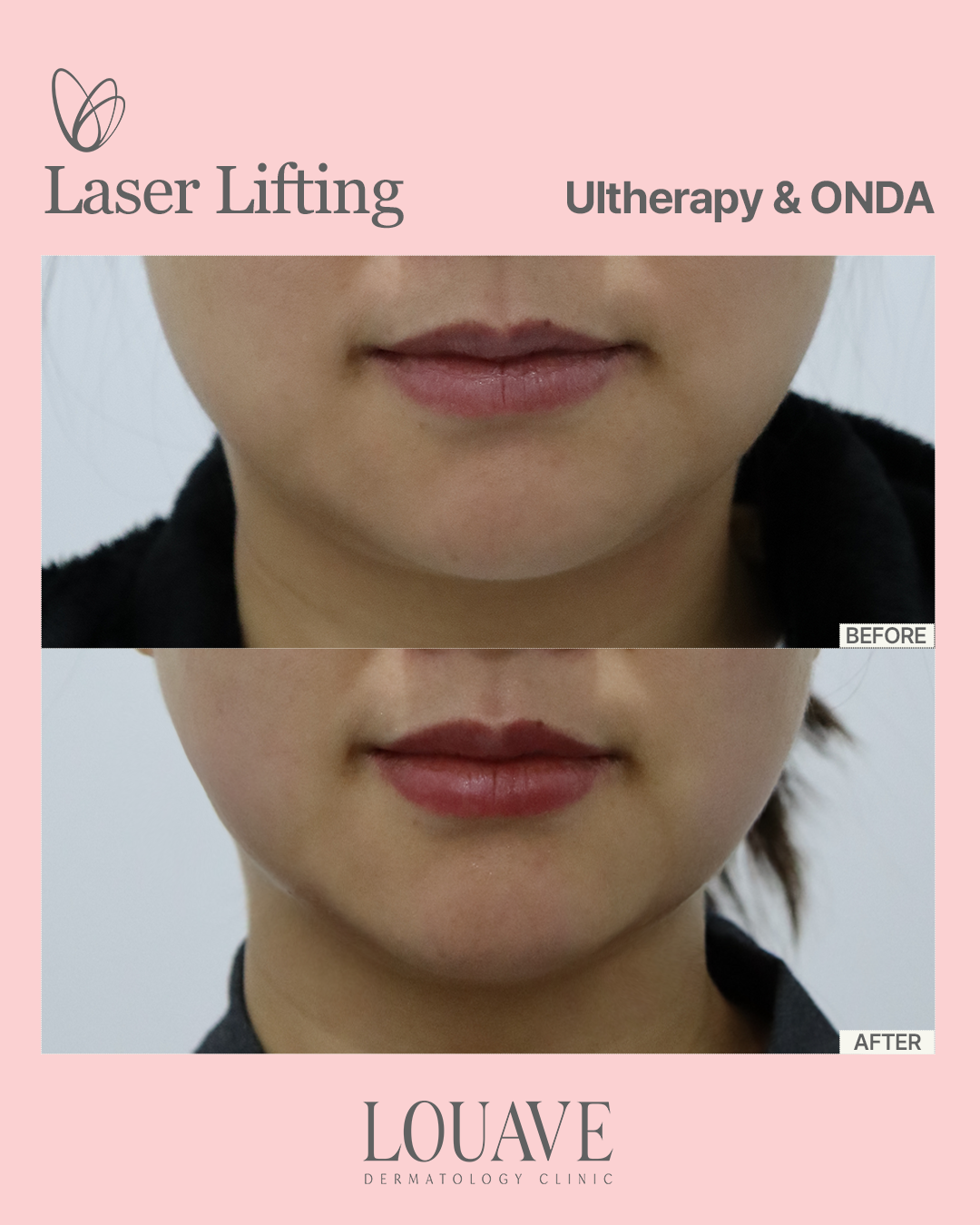
- Energy-based procedures
These treatments usually do not produce their final effect immediately. Improvement develops gradually as the skin heals and remodels.
Patients should be cautious about claims that one procedure can completely rebuild collagen, erase pores, or permanently reverse aging.
Why Combination Treatment Is Common
Skin quality involves several independent characteristics, so one procedure may not correct every concern.
A staged plan might include:
- Skincare for hydration and maintenance
- Medical treatment for acne or rosacea
- Pigment treatment for brown spots
- Vascular treatment for redness
- Microneedling or laser for texture
- Conservative injections for selected fine lines
Dermatologists frequently use more than one treatment when different signs of sun damage or aging need to be addressed.
Combination therapy should still remain conservative. Treatments may be separated across several appointments to reduce inflammation and allow proper reassessment.
Skin Quality vs Facial Volume
Skin-quality treatment and facial-volume treatment have different goals.
Skin-quality procedures may improve:
- Hydration
- Texture
- Fine lines
- Pigmentation
- Redness
- Elasticity
Dermal fillers primarily address:
- Cheek or temple hollowness
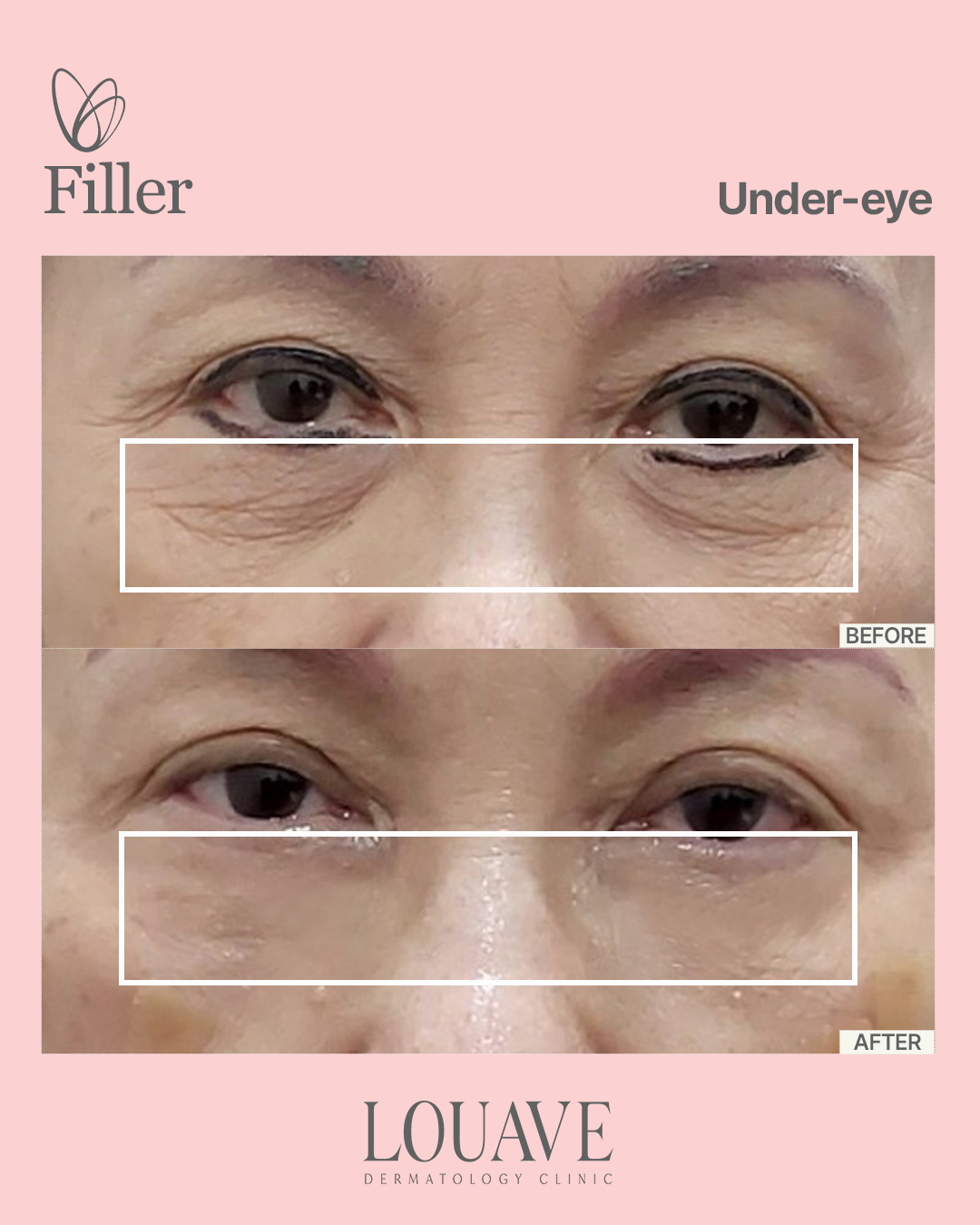
- Under-eye shadows in selected patients
- Deeper folds
- Lip volume
- Chin or jawline structure
Adding volume does not directly treat roughness, pigmentation, or redness. Some patients may appear more refreshed after improving the skin surface without receiving filler.
When genuine volume loss is present, limited structural treatment may be combined with skin-focused care.
Why Conservative Treatment Often Looks More Natural
Focusing on skin quality can improve appearance without changing the patient’s identity.
A conservative plan aims to:
- Preserve facial expression
- Maintain natural proportions
- Avoid excessive filler
- Reduce unnecessary inflammation
- Improve several subtle features gradually
- Allow results to settle before further treatment
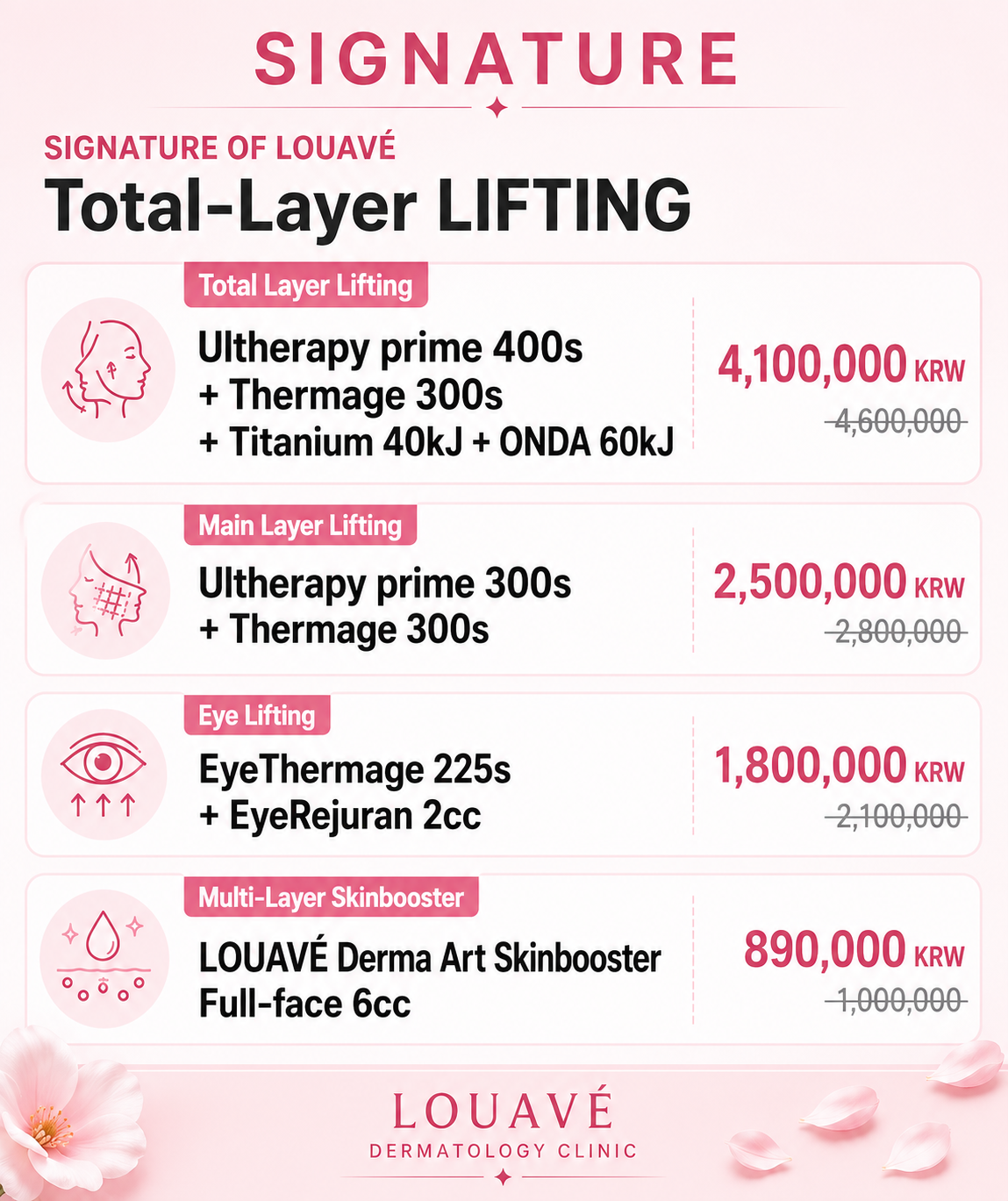
The strongest laser, highest energy setting, or largest injectable package is not automatically the most effective choice.
Treatment intensity should match the diagnosis, skin tone, pigmentation risk, recovery schedule, and desired degree of improvement.
Questions to Ask During Consultation
Consider asking:
- Which skin-quality concern is most noticeable?
- Is my skin barrier healthy?
- Do I have melasma, redness, or active inflammation?
- Should skincare or medical treatment begin first?
- Which treatment targets texture or pigmentation?
- Is the procedure suitable for my skin tone?
- Will several sessions be necessary?
- How will improvement be measured?
Healthy Skin Is the Foundation of Rejuvenation
Korean dermatologists often focus on skin quality because hydration, tone, texture, redness, and elasticity strongly influence how healthy and youthful the face appears.
Improving these features may create meaningful rejuvenation without excessive volume, frozen expression, or aggressive procedures.
The most appropriate plan identifies the main skin-quality concerns, treats active conditions first, and combines only the methods needed to produce gradual, natural-looking improvement.