Medical Dermatology vs Cosmetic Dermatology
Medical Dermatology vs Cosmetic Dermatology
Dermatology includes both the diagnosis and treatment of skin conditions and procedures designed to improve appearance. Although these areas often overlap, medical dermatology and cosmetic dermatology have different primary goals.
Understanding the distinction can help international patients choose the right type of consultation and receive treatment suited to their skin concerns.
What Is Medical Dermatology?
Medical dermatology focuses on diagnosing, treating, and managing conditions affecting the skin, hair, and nails.
Common concerns include:
- Acne and inflammatory breakouts
- Eczema and dermatitis
- Rosacea and facial redness
- Skin infections
- Allergic reactions
- Hair loss and scalp conditions
- Rashes and persistent itching
- Changes in moles or skin lesions
Treatment may involve prescription medication, topical products, injections, testing, or long-term management.
What Is Cosmetic Dermatology?
Cosmetic dermatology focuses on improving the appearance, texture, tone, and overall condition of the skin.
Common procedures include:
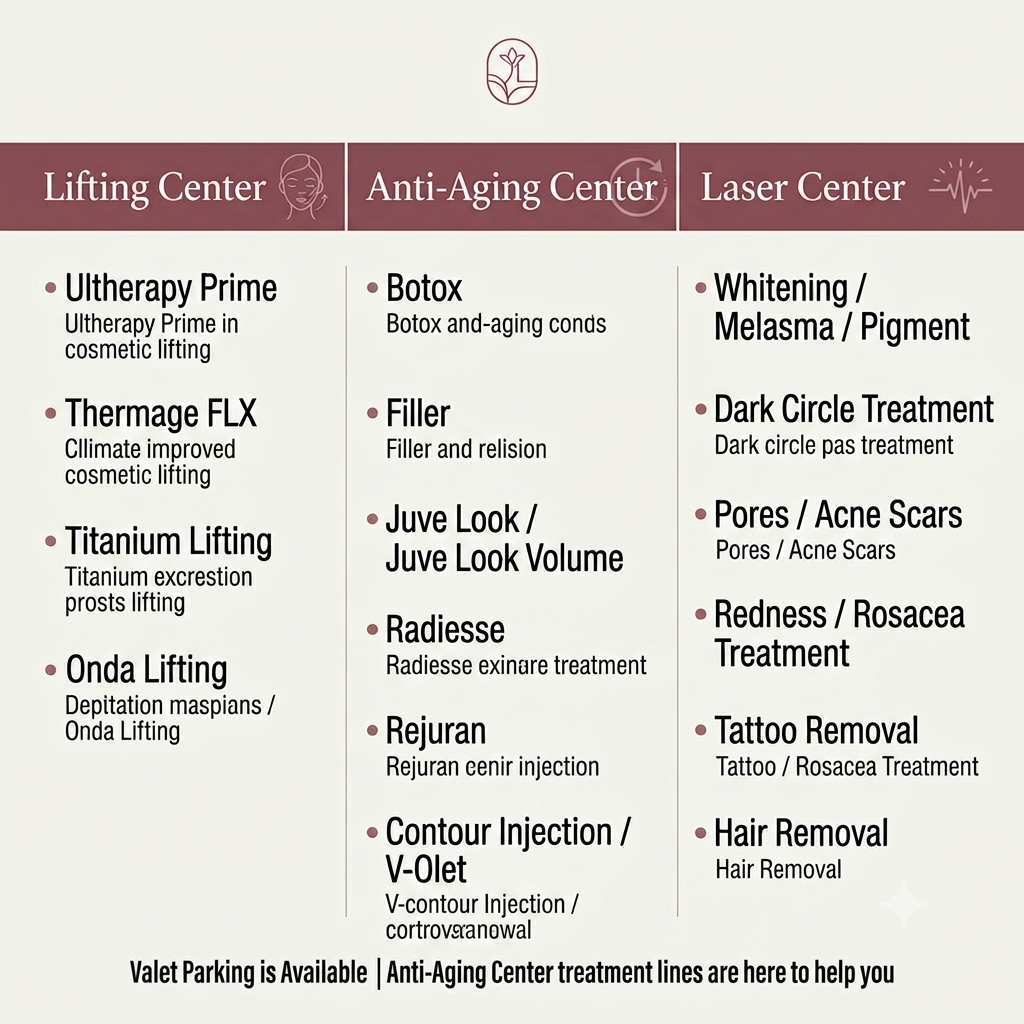
- Pigmentation and brightening treatments
- Acne scar treatment
- Laser skin rejuvenation
- Pore and texture improvement
- Wrinkle-relaxing injections
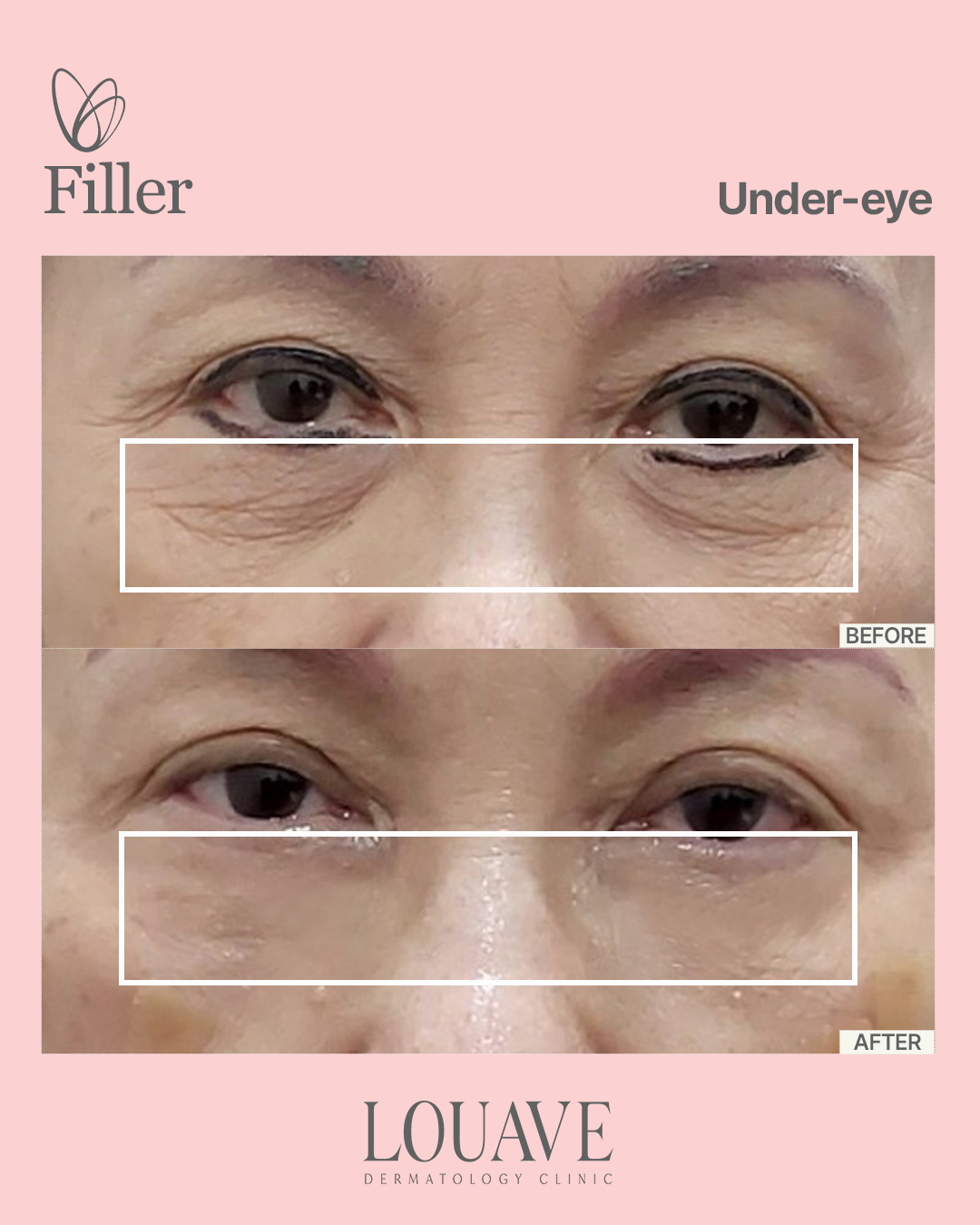
- Dermal fillers
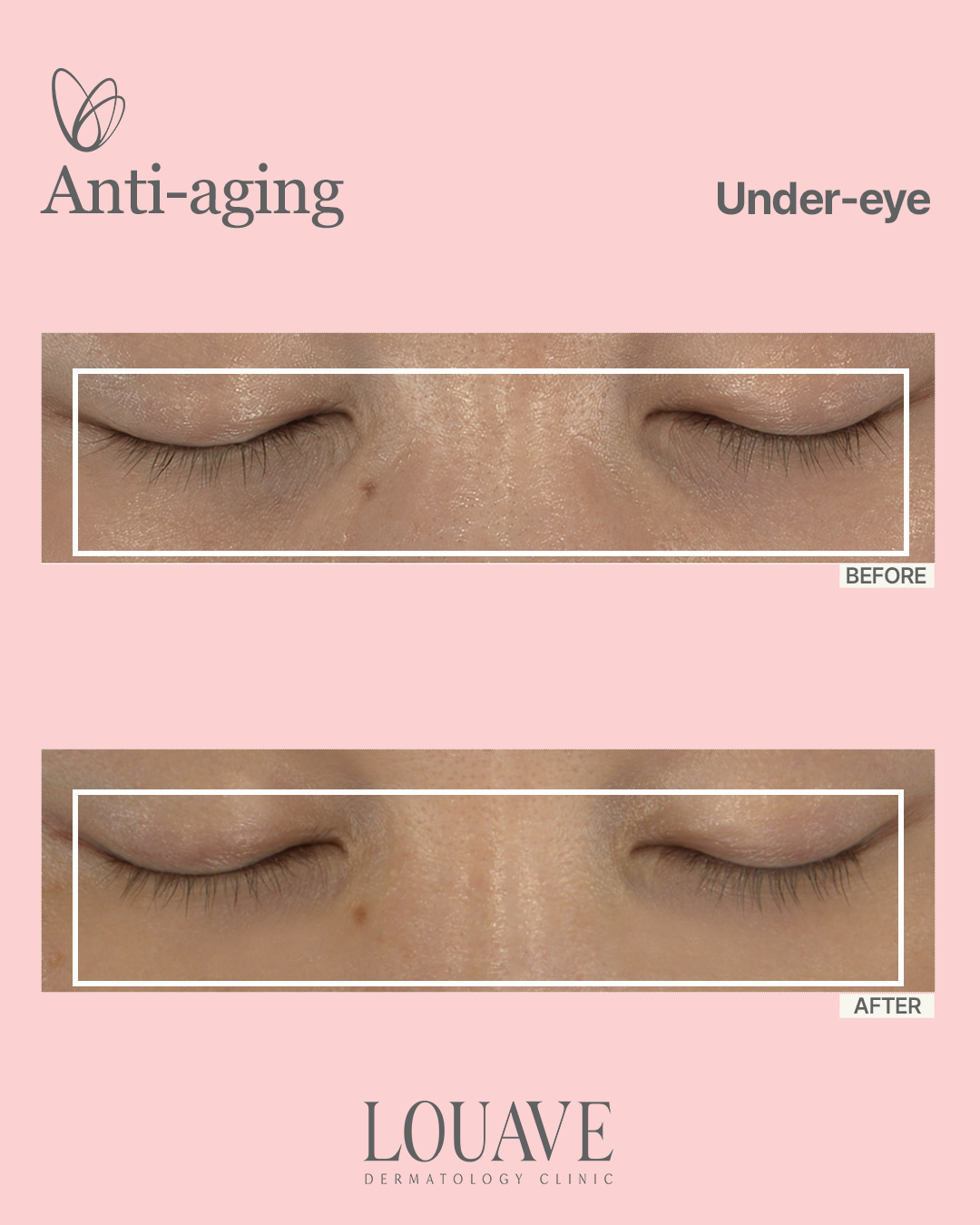
- Skin boosters
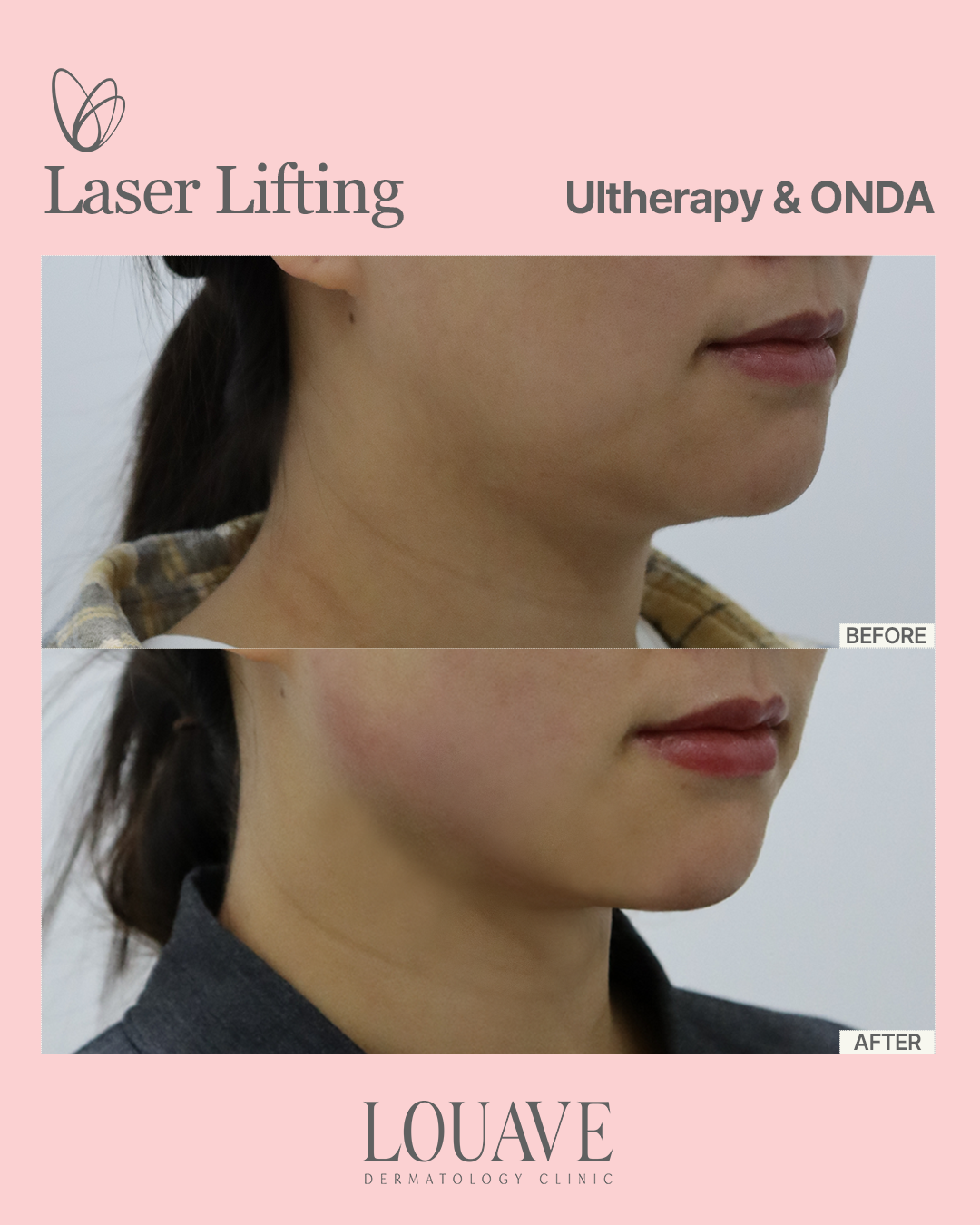
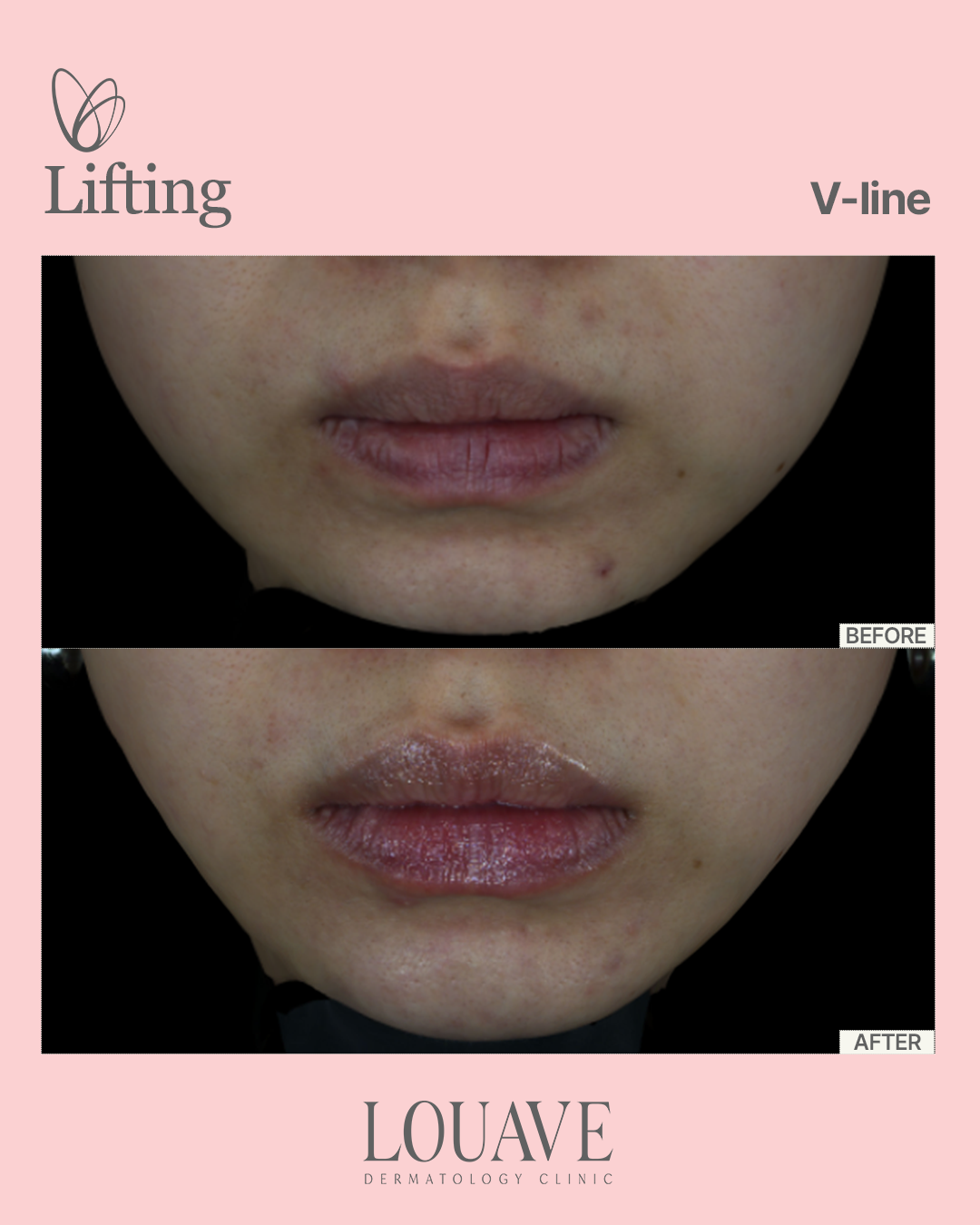
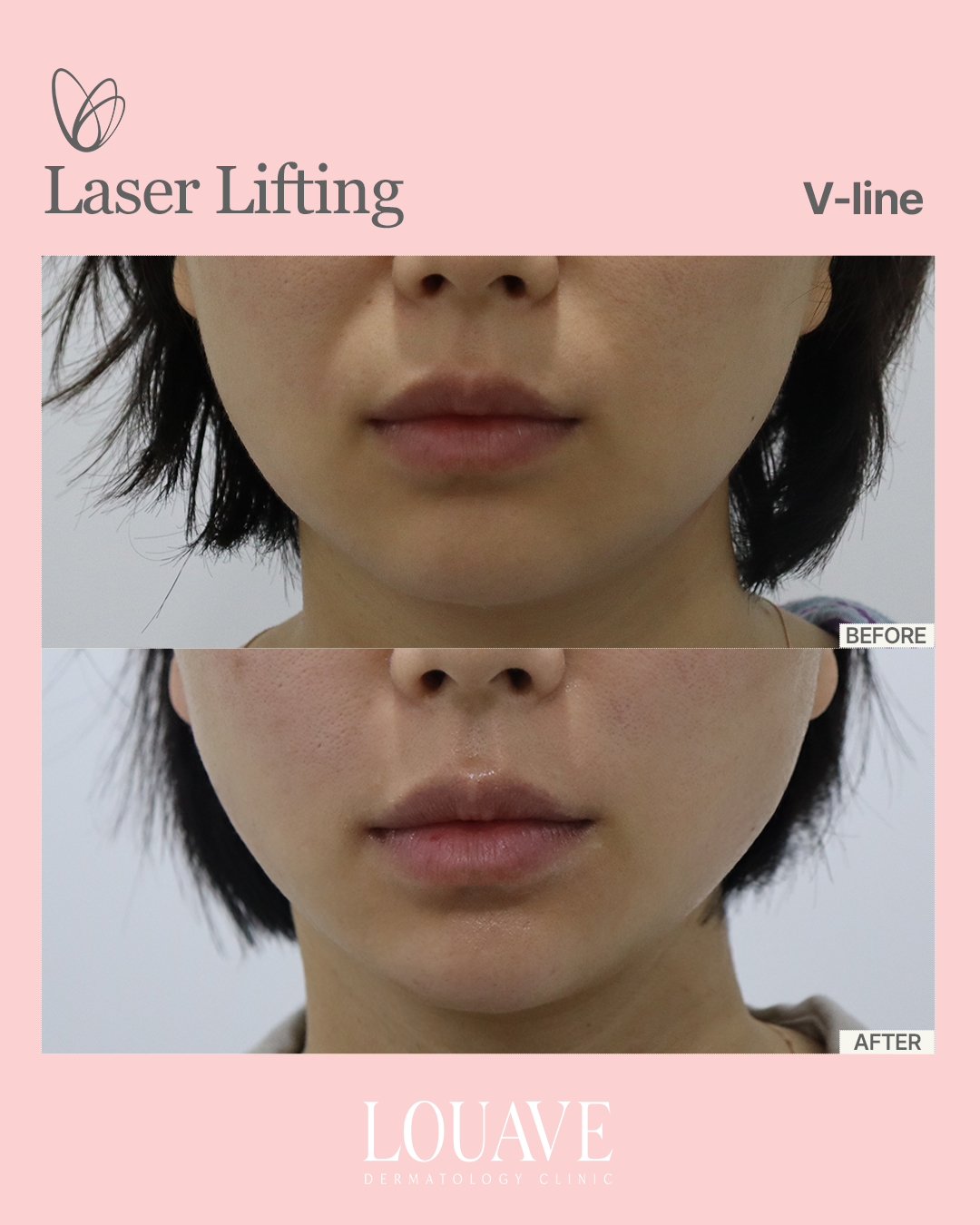
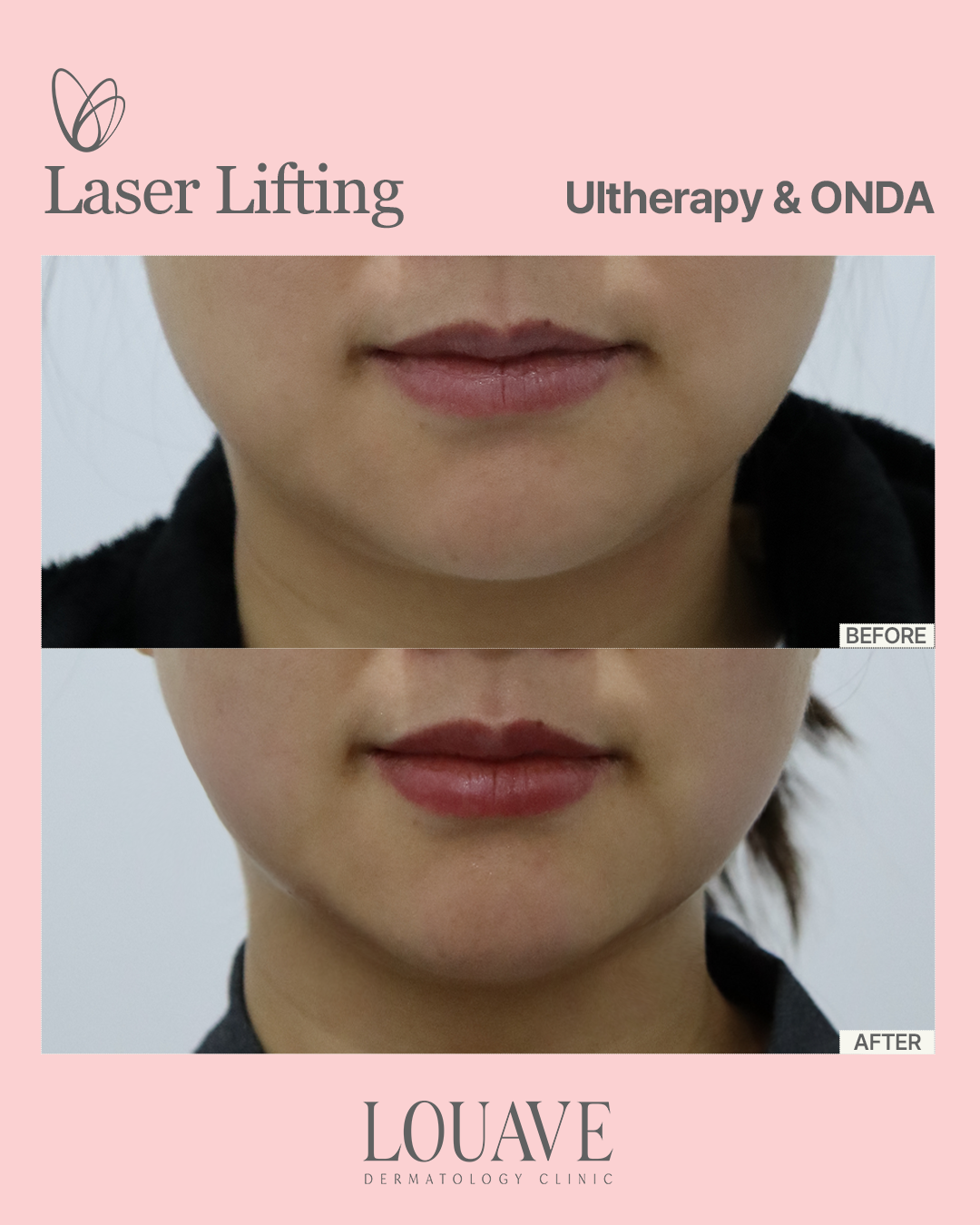
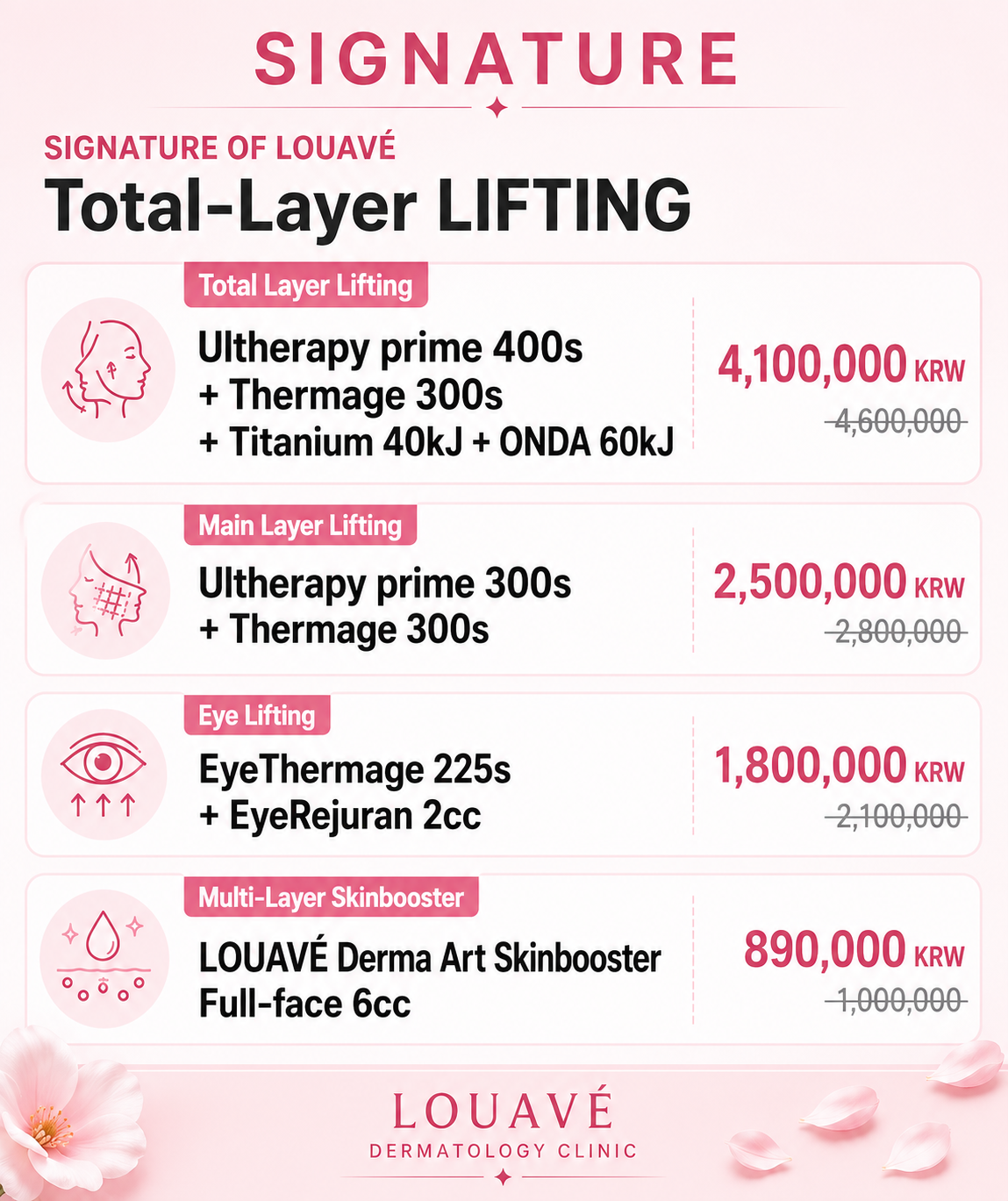
- Lifting and tightening procedures
These treatments are generally elective and selected according to the patient’s aesthetic goals.
Why Accurate Diagnosis Comes First
A concern that appears cosmetic may sometimes be connected to an underlying skin condition.
For example, redness may be caused by rosacea, irritation, acne, or visible blood vessels. Dark spots may be related to melasma, sun damage, inflammation, or another medical condition.
A proper skin evaluation helps determine whether medical treatment, cosmetic treatment, or a combination of both is most appropriate.
When to Choose Medical Dermatology
A medical consultation may be more suitable when you experience:
- Pain, itching, bleeding, or inflammation
- A recurring or worsening skin problem
- Sudden changes in the skin
- Severe or persistent acne
- Frequent allergic reactions
- Hair loss or scalp irritation
- Symptoms that have not improved with skincare products
These concerns may require diagnosis and ongoing medical management rather than a single cosmetic procedure.
When to Choose Cosmetic Dermatology
Cosmetic treatment may be appropriate when your main goal is to improve:
- Fine lines and wrinkles
- Uneven skin tone
- Enlarged pores
- Acne scars
- Skin laxity
- Facial volume
- Dullness or rough texture
- Overall skin appearance
The treatment plan should still consider skin type, sensitivity, medical history, and previous procedures.
How the Two Areas Work Together
Medical and cosmetic dermatology are not always separate.
A patient with active acne may first need medical treatment to control inflammation before starting scar treatment. Someone with rosacea may require medical management before receiving laser treatment for visible redness.
Combining both approaches can help improve the skin safely while addressing both the cause of the condition and its visible effects.
Personalized Treatment Planning
A careful consultation should consider:
- Current symptoms and skin condition
- Medical history
- Allergies and medications
- Previous treatments
- Skin sensitivity
- Desired results
- Available recovery time
This helps the doctor select treatments that are appropriate rather than simply recommending the most popular procedure.
Questions to Ask Before Treatment
Before making an appointment, consider asking:
- Is my concern medical or cosmetic?
- Will my skin be examined before treatment?
- Do I need to control an active skin condition first?
- What results can I realistically expect?
- Are there possible side effects?
- How much downtime will I need?
- Will follow-up treatment be necessary?
- Is English-language support available?
Clear explanations can help international patients understand the purpose and limitations of each treatment.
Choose Care Based on Your Skin Concern
Medical dermatology treats skin conditions and protects skin health, while cosmetic dermatology focuses on appearance and aesthetic improvement.
Some patients need only one type of care, while others benefit from a combination of both. Choosing a clinic that provides accurate diagnosis, personalized recommendations, and professional aftercare can lead to safer and more satisfying results.