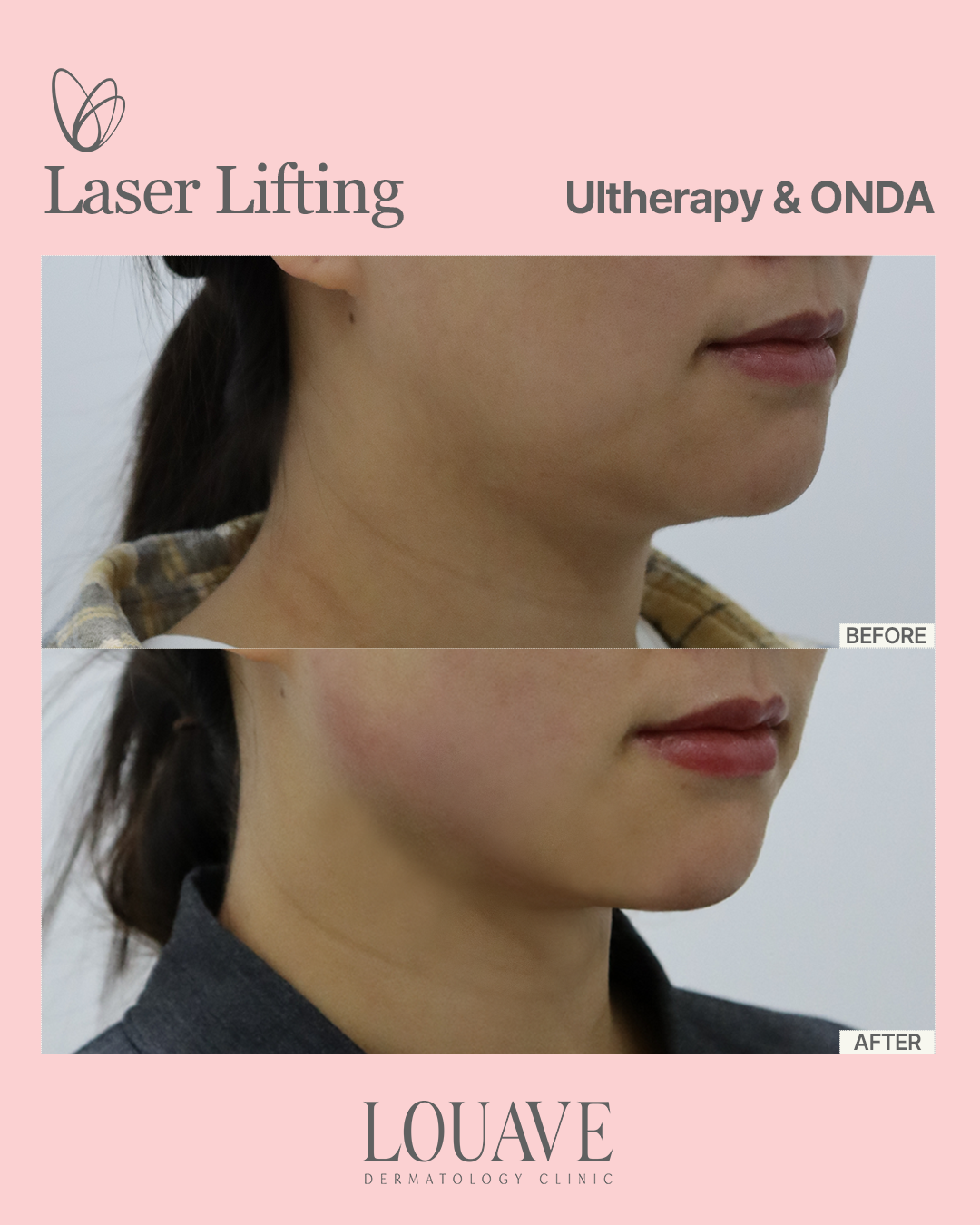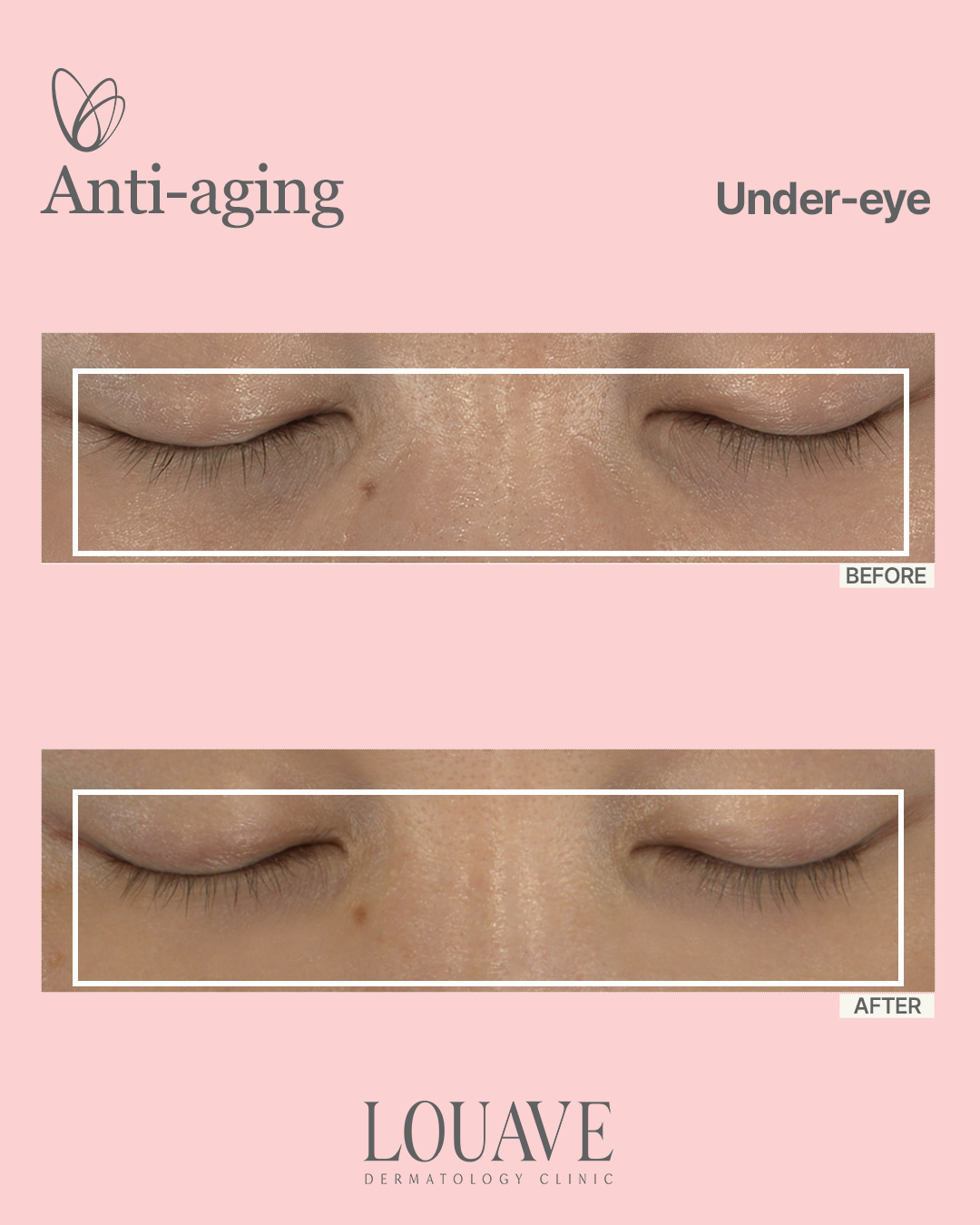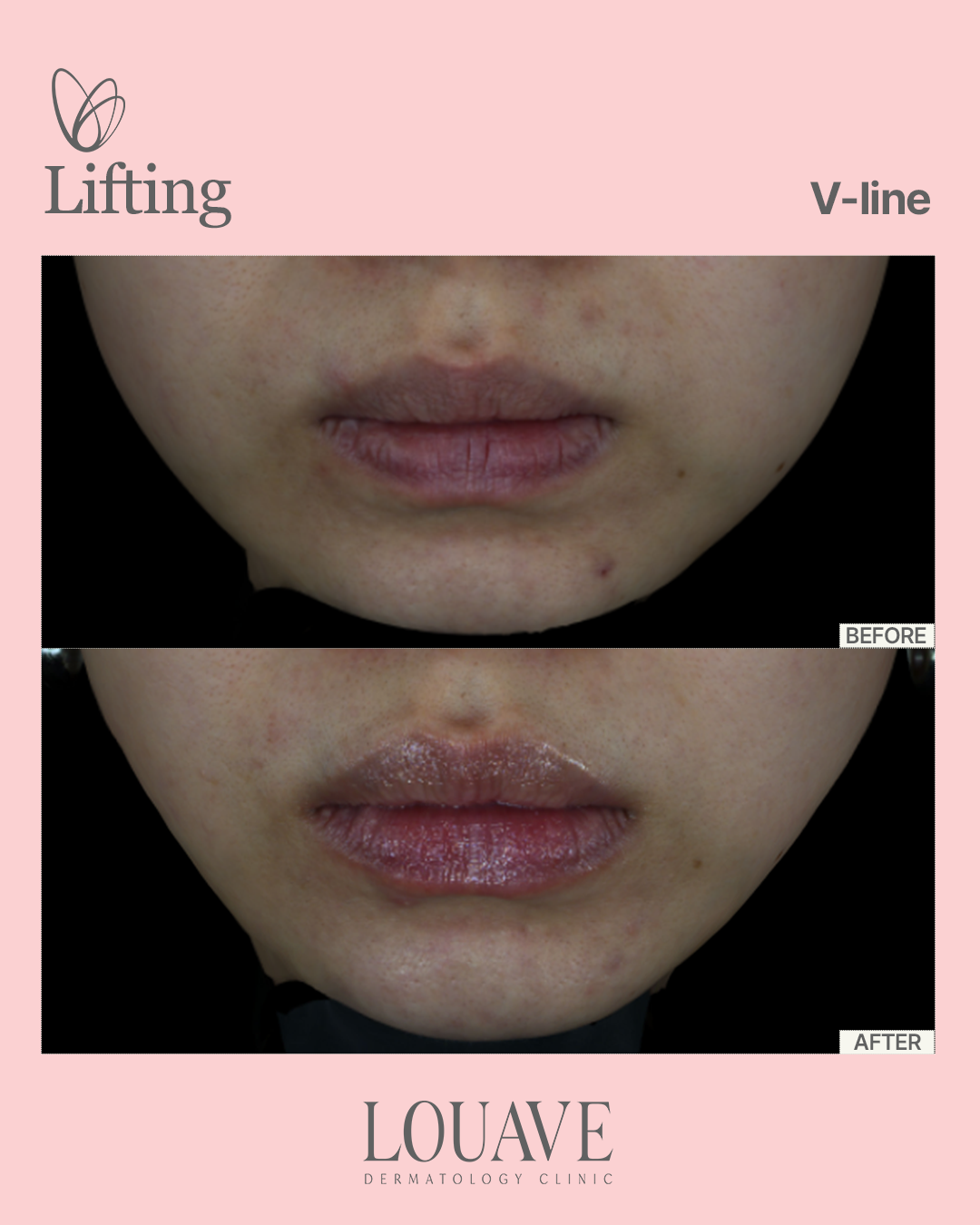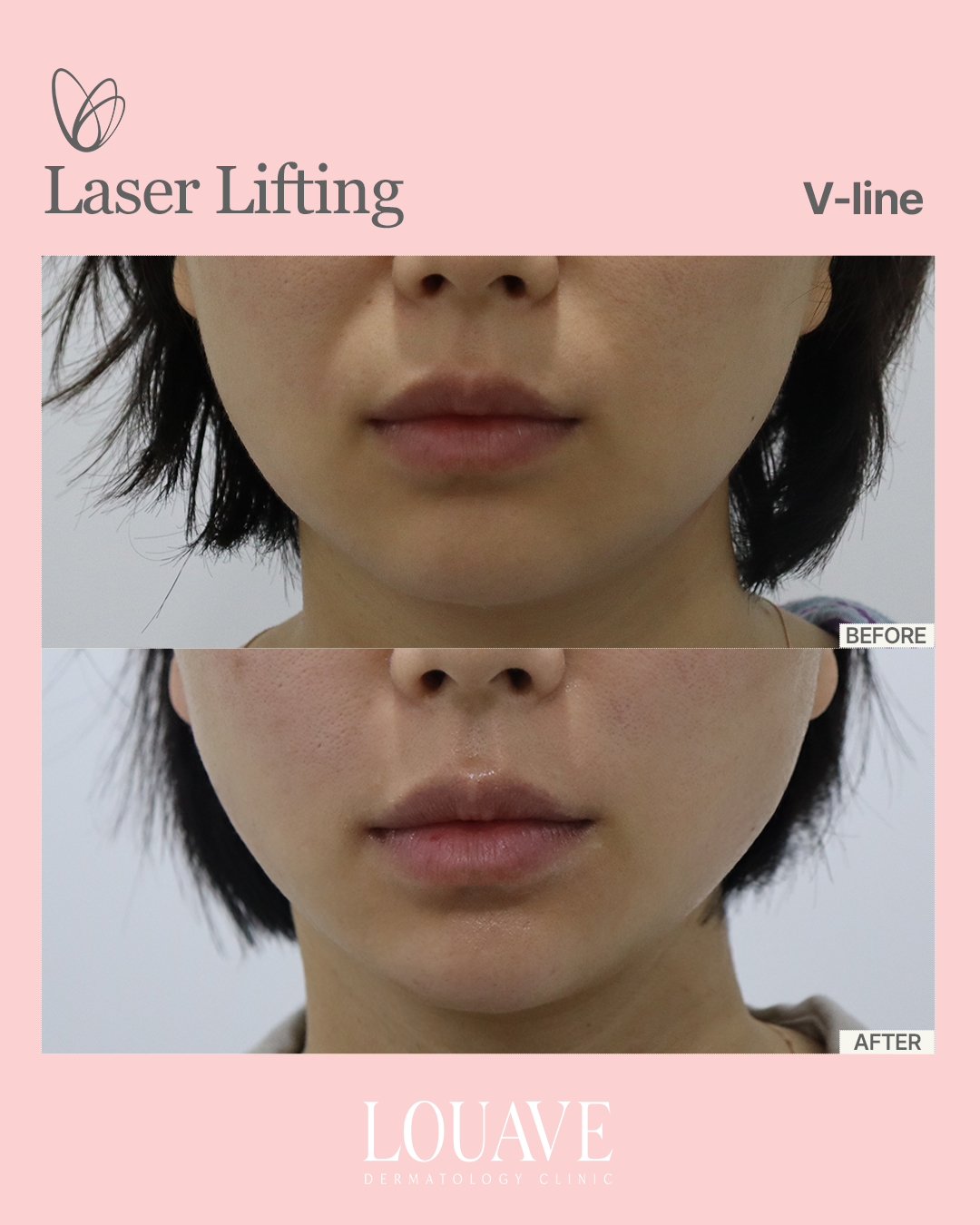
Medical Tourism for Dermatology in Korea
Medical Tourism for Dermatology in Korea
Korea attracts international patients seeking medical dermatology, laser treatments, acne-scar care, pigmentation correction, injectables, and facial rejuvenation. Seoul is especially known for offering a wide range of treatments, multilingual support, and clinics experienced in serving overseas visitors.
However, traveling for dermatology should involve more than choosing a popular procedure or discounted package. Patients should confirm the diagnosis, treating physician’s qualifications, expected recovery, total cost, and follow-up plan before receiving care.
Why Patients Travel to Korea for Dermatology
International patients may consider Korea because of:
- Access to numerous dermatology clinics
- A wide selection of lasers and energy-based devices
- Experience treating pigmentation-prone Asian skin
- Medical and cosmetic treatments in one location
- Multilingual coordinators or interpreters
- Convenient access to clinics in major cities
- Personalized or combination treatment options
- Competitive pricing for selected procedures
Korea has an established foreign-patient medical tourism system that includes medical institutions, facilitators, appointment support, translation, and travel-related assistance.
The number of international patients visiting Korea has continued to grow, but popularity alone does not confirm that a particular treatment or clinic is appropriate for an individual patient.
Medical and Cosmetic Treatments Available
Patients may travel for medical conditions such as:
- Acne
- Rosacea
- Eczema and contact dermatitis
- Psoriasis
- Chronic hives
- Hair loss
- Nail disorders
- Fungal infections
- Suspicious moles or skin growths
Cosmetic concerns may include:
- Freckles and sun spots
- Melasma
- Post-acne pigmentation
- Facial redness
- Acne scars
- Rough texture
- Fine lines
- Volume loss
- Mild skin laxity
A medical diagnosis should come before cosmetic treatment. Facial pigmentation, redness, bumps, and hair loss can have several causes, and each may require a different treatment.
Choose the Doctor, Not Only the Treatment
A clinic may advertise dermatology services without every treating physician being a certified dermatology specialist.
Before booking, ask:
- Is the doctor a certified dermatology specialist in Korea?
- Who will perform the consultation?
- Who will select the laser settings?
- Who will administer injections?
- Does the doctor regularly treat my condition?
- Will the same physician provide follow-up?
- Who manages complications?
Patients should also ask about the doctor’s experience treating their skin tone. Lasers can be used across different skin types, but pigmentation-prone skin may have a greater risk of burns or dark marks when treatment is performed too aggressively.
Check Foreign-Patient Registration
Medical Korea operates an official system for checking institutions and agencies registered to attract and serve foreign patients. The system also provides information about evaluated or accredited institutions.
Registration can be a useful administrative check, but it does not guarantee:
- That every doctor is a dermatologist
- That a treatment is medically necessary
- That the clinic has equal experience with every procedure
- That a package suits the patient’s skin
- That complications cannot occur
Patients should evaluate both the institution and the individual treating physician.
Send Information Before Traveling
Before confirming the trip, provide the clinic with:
- Clear photographs of the concern
- Previous diagnoses
- Medication and supplement list
- Known allergies
- Previous laser or injectable treatments
- Biopsy or laboratory reports
- History of melasma or pigmentation
- History of abnormal scarring
- Arrival and departure dates
- Desired treatment goals
Photographs can support preliminary planning, but they may not be sufficient for a final diagnosis. The treatment recommendation may change after an in-person examination.
Avoid paying for a large non-refundable package before the doctor has assessed the skin directly.
Understand the Full Treatment Plan
Ask for a written explanation covering:
- Diagnosis or cosmetic concern
- Exact procedure
- Device or injectable product
- Number of sessions
- Expected improvement
- Recovery period
- Common side effects
- Serious complications
- Required aftercare
- Follow-up schedule
- Total estimated price
Cosmetic procedures carry medical risks, and consultation should include the practitioner’s qualifications, treatment alternatives, realistic results, and recovery requirements.
The newest device or most expensive package is not automatically the best option. Diagnosis, treatment settings, physician experience, and appropriate patient selection are more important than marketing terminology.
Be Careful With Combination Packages
Korean clinics may offer packages combining lasers, peels, microneedling, skin boosters, botulinum toxin, fillers, or lifting treatments.
Combination treatment can be useful when each procedure addresses a different concern. However, completing several aggressive treatments during a short visit may increase:
- Redness and swelling
- Skin-barrier damage
- Peeling or crusting
- Post-inflammatory pigmentation
- Infection risk
- Difficulty identifying the cause of a reaction
- Need for follow-up after departure
A staged plan is often safer. Treating the main concern first allows the skin to recover before another procedure is considered.
Plan Enough Recovery Time
Treatment may be completed during one appointment without the skin being fully recovered that day.
Possible temporary reactions include:
- Redness
- Swelling
- Bruising
- Injection bumps
- Dryness or peeling
- Small crusts
- Darkening of treated pigment
- Increased sensitivity
Patients should not schedule intensive treatment immediately before:
- A flight home
- A wedding or important event
- Professional photographs
- Outdoor sightseeing
- Swimming or sauna visits
- Travel involving strong sun exposure
Allow time for an in-person follow-up when possible, especially after stronger lasers, injectable treatment, biopsy, or surgical removal.
Know Which Treatments Require Several Visits
Some treatments cannot be completed properly during a brief stay.
These may include:
- Patch testing for contact allergy
- Skin biopsy and pathology review
- Stitch removal
- Multi-session acne-scar treatment
- Long-term melasma management
- Hair-loss monitoring
- Chronic urticaria medication adjustment
- Strong resurfacing procedures
- Treatment requiring repeated injections
One session may begin the treatment process, but many dermatologic concerns require continued care over several months.
Consider Injectable Risks Carefully
Botulinum toxin, dermal fillers, and skin boosters should be treated as medical procedures rather than travel souvenirs.
Before an injection, confirm:
- Exact product and manufacturer
- Intended treatment area
- Planned amount
- Product authenticity
- Expected duration
- Practitioner’s qualifications
- Emergency management protocol
Dermal fillers may cause swelling, bruising, nodules, or delayed reactions. Rare accidental injection into a blood vessel can result in skin damage, visual impairment, blindness, or stroke.
Patients should remain in Korea long enough to seek care if concerning symptoms develop.
Compare the Total Cost
An advertised treatment price may not include every expense.
Ask whether the quotation includes:
- Doctor’s consultation
- Anesthetic cream
- Medication
- Aftercare products
- Taxes
- Follow-up visits
- Laboratory or pathology fees
- Interpreter support
- Additional treatment for complications
Also consider flights, accommodation, transportation, recovery time, and possible medical care after returning home.
The least expensive procedure may become costly when repeat treatment or complication management is needed.
Prepare for Follow-Up at Home
Before leaving Korea, request:
- Written diagnosis
- Procedure date and treatment area
- Device and settings when available
- Injectable product and amount
- Prescription details
- Pathology or laboratory results
- Before-and-after photographs
- Aftercare instructions
- Warning signs
- Clinic contact information
Ask whether the clinic offers remote follow-up and how records can be shared with a dermatologist in the patient’s home country.
Remote support can be useful, but severe pain, vision changes, breathing difficulty, spreading infection, or rapidly worsening swelling requires immediate local medical care.
Questions to Ask Before Booking
Consider asking:
- Is the treating doctor a dermatology specialist?
- Is the institution registered to serve foreign patients?
- Will the consultation be conducted in English?
- What diagnosis is being treated?
- Can the treatment wait until after examination?
- How many visits are required?
- What downtime should I expect?
- What is included in the quoted price?
- What complications are possible?
- Who provides care after I return home?
Plan Medical Tourism Around Safe Care
Medical tourism for dermatology in Korea can provide access to experienced physicians, diverse technology, and personalized treatment options.
The safest approach is to choose a qualified doctor, confirm the diagnosis, avoid unnecessary package treatments, allow adequate recovery time, and prepare for continued care after returning home.
A successful dermatology trip should be measured not by the number of procedures completed, but by whether the treatment was appropriate, clearly explained, safely performed, and supported by reliable follow-up.