Preparing for Dermatology Treatment in Korea
Preparing for Dermatology Treatment in Korea
Preparing for dermatology treatment in Korea involves more than booking a clinic appointment. International patients should organize their medical history, understand the proposed treatment, and allow enough time for consultation, recovery, and follow-up.
Good preparation can reduce avoidable complications and help the dermatologist determine whether medication, testing, laser treatment, injectables, or another procedure is appropriate.
Confirm the Purpose of Your Visit
Before contacting a clinic, identify the main concern you want evaluated.
This may include:
- Acne or acne scars
- Pigmentation or melasma
- Facial redness
- Eczema or recurring rashes
- Hair loss
- Nail changes
- Moles or skin growths
- Fine lines and skin texture
- Facial volume loss
- Skin laxity
Try to select one or two priorities rather than requesting every available treatment. A clear goal helps the dermatologist distinguish between medical and cosmetic concerns and recommend a more focused plan.
Choose the Clinic and Doctor Carefully
Before booking, ask:
- Is the doctor a dermatology specialist?
- Who will conduct the consultation?
- Who will perform the procedure?
- Does the doctor regularly treat your concern?
- Is English consultation available?
- Who handles follow-up questions?
- How are complications managed?
Korea operates a registration and accreditation system for institutions serving foreign patients. Registered institutions have also been required to maintain medical malpractice liability insurance since 2016. This can be a useful administrative check, but it does not replace evaluating the individual doctor’s qualifications and proposed treatment.
Send Medical Information Before Traveling
Providing information in advance can help the clinic estimate whether an in-person consultation, testing, or multiple appointments may be needed.
Prepare:
- Clear photographs of the concern
- Previous diagnoses
- Blood-test or biopsy reports
- Allergy-test results
- Current medication and supplements
- Known allergies
- Previous treatment records
- Dates of recent cosmetic procedures
- Arrival and departure dates
Photographs may support preliminary planning, but a final diagnosis may change after direct examination.
Avoid purchasing a large non-refundable package before the doctor has examined your skin.
Disclose Medication and Supplements
Tell the clinic about all prescription medication, over-the-counter products, vitamins, and supplements.
This is especially important if you use:
- Blood-thinning medication
- Anti-inflammatory pain medication
- Prescription retinoids
- Antibiotics
- Steroids
- Immune-modulating medication
- Acne medication
- Herbal supplements
- Products that may increase sun sensitivity
Some medications and supplements may affect bruising, healing, photosensitivity, or procedural planning. The AAD specifically advises patients preparing for filler treatment to disclose medicines and supplements, including agents that may increase bleeding or bruising.
Do not stop necessary medication without guidance from the prescribing doctor.
Explain Previous Cosmetic Procedures
The dermatologist should know about previous:
- Botulinum toxin injections
- Dermal fillers
- Skin boosters
- Thread treatments
- Lasers
- Chemical peels
- Microneedling
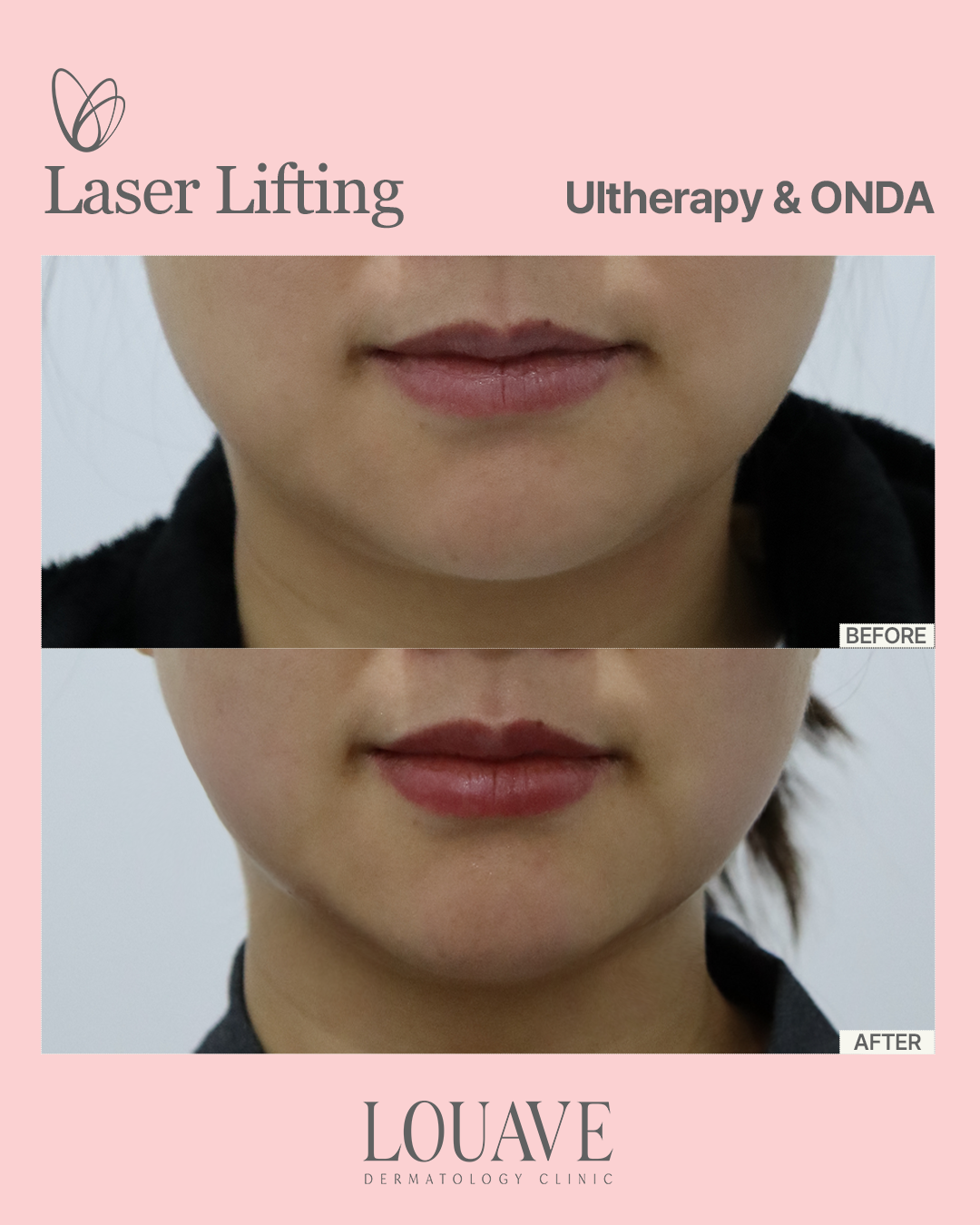
- Radiofrequency or ultrasound procedures
- Cosmetic surgery
Provide the product name, treatment area, approximate amount, and date whenever possible.
Previous filler may still be present even when it is no longer obvious. This information may affect whether another injection, energy-based procedure, or dissolving treatment is appropriate.
Prepare the Skin Before Treatment
Do not aggressively exfoliate or introduce several new active ingredients immediately before the appointment.
Unless the clinic gives different instructions, it may be sensible to avoid:
- Scrubs
- Strong home peels
- Picking acne lesions
- Waxing the treatment area
- Unnecessary tanning
- Excessive sun exposure
- Applying irritating products to damaged skin
Some chemical peels require a specific preparation routine for two to four weeks, depending on the patient and peel depth. The dermatologist should provide individualized instructions rather than patients creating their own pre-treatment routine.
Tell the clinic if you have recently experienced sunburn, peeling, infection, cold sores, or a dermatitis flare.
Ask for the Exact Treatment Information
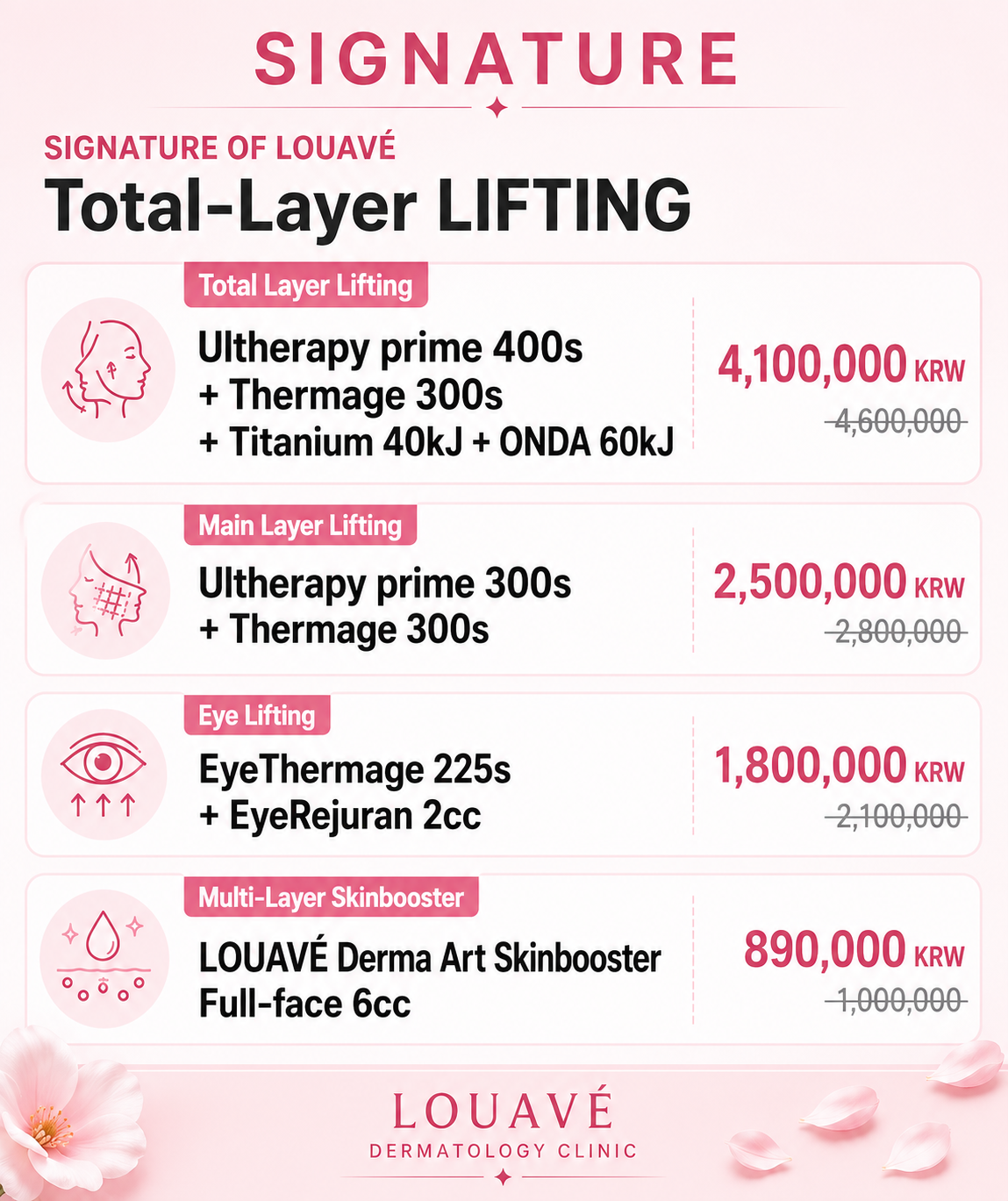
Popular package names may not clearly explain what will be performed.
Before agreeing to treatment, confirm:
- The diagnosis or cosmetic concern
- Exact procedure name
- Device or injectable product
- Manufacturer
- Treatment area
- Number of sessions
- Expected improvement
- Recovery period
- Common side effects
- Serious complications
- Alternative treatments
A cosmetic consultation should provide enough information to understand the practitioner’s qualifications, expected results, risks, recovery, and available alternatives.
Do not assume that the newest machine or largest combination package is automatically the best option.
Allow Enough Recovery Time
A procedure may be completed in one appointment, but the skin may continue healing after the visit.
Temporary reactions can include:
- Redness
- Swelling
- Bruising
- Peeling
- Dryness
- Small crusts
- Injection marks
- Darkening of treated pigment
- Increased sensitivity
Stronger resurfacing may involve more significant redness, swelling, tenderness, and pigmentation risk. Fractional treatments may also require multiple sessions, with results developing gradually rather than immediately.
Avoid scheduling an unfamiliar or intensive procedure immediately before:
- Your flight home
- A wedding or important event
- Professional photographs
- Outdoor sightseeing
- Swimming or sauna use
- Travel involving strong sunlight
Leave time for an in-person review whenever possible.
Understand Injectable Risks
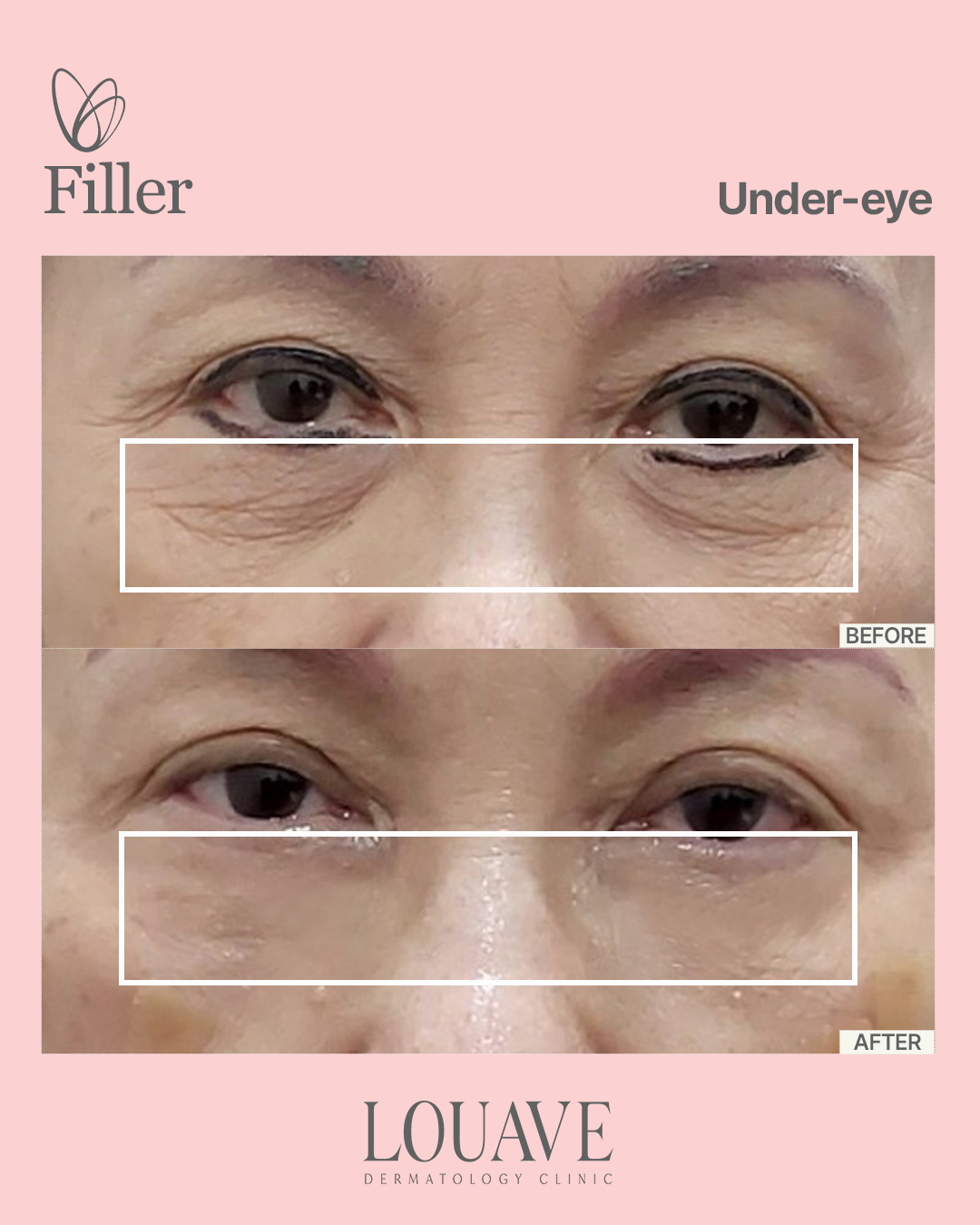
Botulinum toxin, fillers, and skin boosters should be treated as medical procedures.
For filler treatment, ask:
- What product will be used?
- Is the packaging sealed?
- Where will it be injected?
- Can the product be dissolved?
- What emergency supplies are available?
- Who should be contacted after treatment?
Fillers can cause temporary swelling, bruising, lumps, or tenderness. Rare complications involving blood-vessel blockage can result in skin injury, visual impairment, blindness, stroke, or other permanent harm. Some filler materials may also be difficult or impossible to remove.
Severe pain, pale or mottled skin, sudden vision changes, or neurological symptoms after filler require immediate medical attention.
Know When Treatment May Be Delayed
The dermatologist may recommend postponing a procedure when there is:
- Active infection
- Open or damaged skin
- Inflamed acne
- Rosacea or eczema flare
- Recent sunburn
- Active cold sores
- Unexplained swelling
- An undiagnosed mole or growth
- Insufficient recovery time
- Uncertainty about previous injectable products
A consultation without a same-day procedure can still be a useful outcome. Prescription treatment, diagnostic testing, or waiting until after travel may be safer than rushing into treatment.
Plan Follow-Up Before Leaving Korea
Before departure, request:
- Written diagnosis
- Procedure date and treatment area
- Product or device information
- Injectable amount when applicable
- Prescription instructions
- Wound-care directions
- Expected recovery timeline
- Warning signs
- Follow-up schedule
- Clinic contact information
Ask whether English medical records can be provided and whether remote follow-up is available.
Remote communication may help with routine questions, but severe pain, rapidly worsening swelling, breathing difficulty, visual symptoms, spreading redness, fever, or pus requires immediate local medical evaluation.
Questions to Ask Before Treatment
Consider asking:
- What is my diagnosis?
- Is this treatment necessary or optional?
- Is it appropriate for my skin tone?
- Should an active condition be treated first?
- Who will perform the procedure?
- What product or device will be used?
- What improvement is realistic?
- How much downtime should I expect?
- Are multiple visits required?
- How will care continue after I leave Korea?
Preparation Supports Safer Treatment
Preparing for dermatology treatment in Korea helps the doctor understand your medical history, previous procedures, treatment goals, and travel limitations.
The safest plan may involve a conservative procedure, prescription treatment, additional testing, or delaying treatment until reliable follow-up is possible.
Choosing a qualified doctor, sharing complete medical information, protecting the skin before treatment, and allowing adequate recovery time are more important than completing the greatest number of procedures during a short trip.