Skin Boosters vs Dermal Fillers
Skin Boosters vs Dermal Fillers
Skin boosters and dermal fillers are both injectable treatments, but they are generally used for different goals.
Skin boosters mainly aim to improve hydration, fine texture, elasticity, and overall skin quality. Dermal fillers are designed primarily to restore volume, support facial contours, or soften deeper folds.
The categories can overlap because some hyaluronic acid products may be injected superficially for skin quality rather than structural volume. The exact product, formulation, injection depth, and treatment technique matter more than the marketing name alone.
What Are Skin Boosters?
“Skin booster” is a broad cosmetic term rather than one standardized type of injection.
Products may contain:
- Hyaluronic acid
- Polynucleotides or related ingredients
- Amino acids
- Other skin-conditioning compounds
- Combinations of several ingredients
Many skin boosters are injected in small amounts across a wider treatment area. The goal is usually to improve the condition of the skin rather than substantially change facial shape.
Possible treatment areas include:
- Cheeks
- Forehead
- Around the mouth
- Neck
- Upper chest
- Backs of the hands
Clinical research on injectable hyaluronic acid suggests potential improvements in skin hydration, elasticity, texture, and fine lines, although results vary according to the formulation, treatment protocol, and study quality.
What Are Dermal Fillers?
Dermal fillers are injectable implants used to create a smoother or fuller appearance.
Depending on the product and treatment area, fillers may be used to:
- Restore cheek volume
- Improve temple hollowness
- Support the chin or jawline
- Add lip volume
- Soften deeper folds
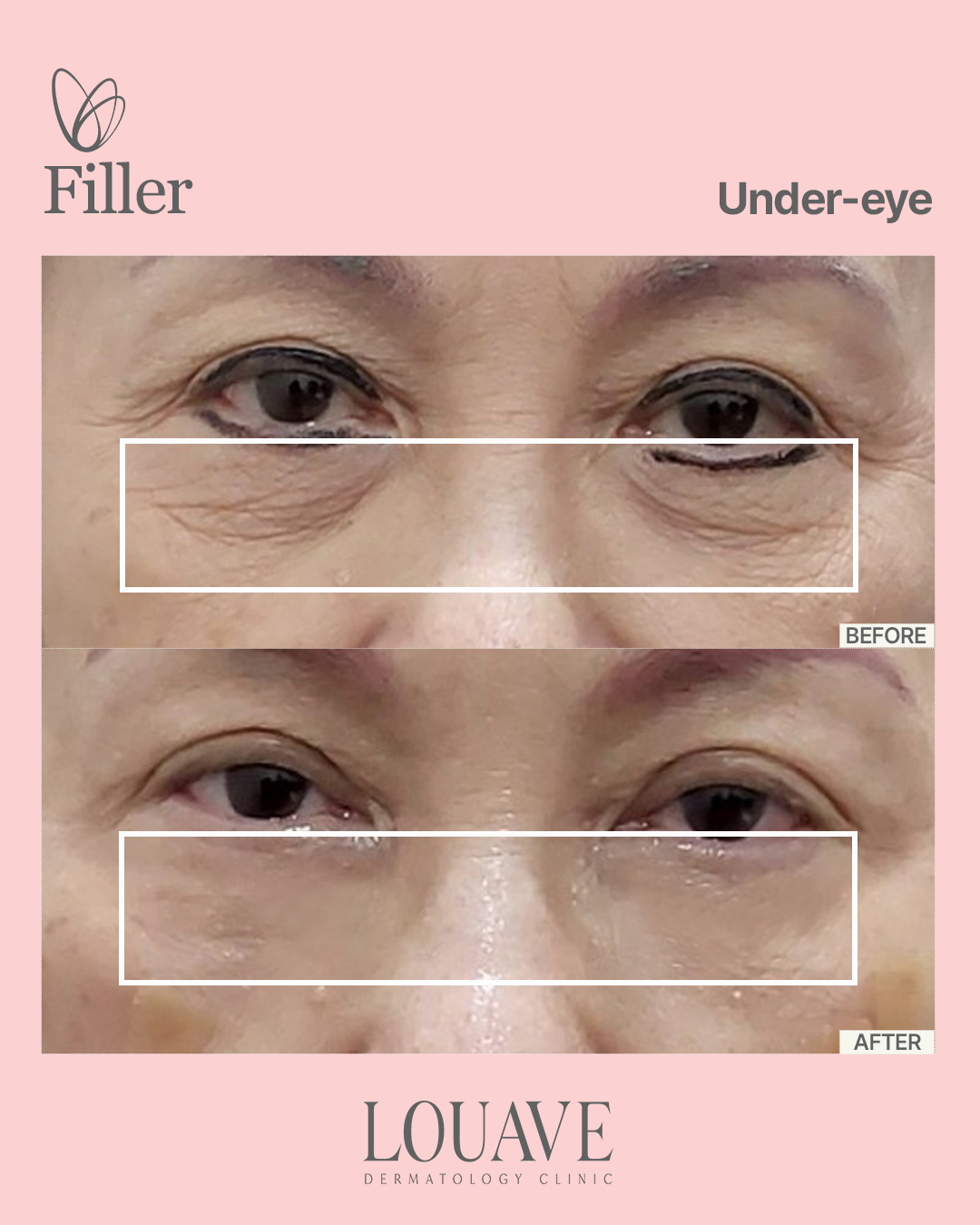
- Improve selected under-eye hollows
- Correct certain contour irregularities
- Reduce the appearance of selected scars
Many fillers produce an immediate visible change because they physically add support or volume beneath the skin. The duration depends on the material, treatment location, amount injected, and individual tissue characteristics.
The Main Difference
Skin boosters primarily focus on skin quality.
They may be appropriate when the concern is:
- Dehydrated-looking skin
- Fine surface lines
- Mild roughness
- Reduced elasticity
- Dullness
- Crepey texture
Dermal fillers primarily focus on volume and structure.
They may be appropriate when the concern is:
- Hollow temples
- Flattened cheeks
- Under-eye hollowness
- Deeper facial folds
- Reduced lip volume
- Chin or jawline proportions
- Loss of facial support
A skin booster usually cannot restore significant cheek or temple volume. A filler may make an area look smoother, but it does not directly treat pigmentation, redness, enlarged pores, or widespread surface roughness.
Injection Depth and Technique
Skin boosters are often placed through multiple superficial injections across a treatment area.
Dermal fillers may be injected at different depths depending on the goal, including within or beneath the skin and near deeper facial structures.
The doctor must consider:
- Product properties
- Facial anatomy
- Blood-vessel location
- Skin thickness
- Desired degree of volume
- Previous filler
- Treatment depth
- Injection technique
Even products made from hyaluronic acid can behave differently depending on their concentration, degree of cross-linking, firmness, and intended use.
Results and Treatment Schedule
Skin-booster results are generally subtle and may develop gradually.
Patients may notice:
- Improved hydration
- Smoother-looking texture
- Softer fine lines
- Healthier light reflection
- Mild improvement in elasticity
Several sessions may be recommended, followed by maintenance treatment. The schedule depends on the specific product rather than one universal skin-booster protocol.
Filler results are often visible immediately, although swelling can temporarily affect the appearance. Some products require time to settle or produce gradual biological effects.
Fillers are naturally absorbed at different rates, so repeat treatment may be necessary to maintain the result.
Possible Downtime
Skin boosters may cause:
- Small injection bumps
- Redness
- Swelling
- Bruising
- Tenderness
- Pinpoint bleeding
- Temporary unevenness
Superficial bumps may remain visible until the product settles.
Dermal fillers may cause:
- Swelling
- Bruising
- Tenderness
- Temporary asymmetry
- Lumps or firmness
- Redness
- Itching
Most common filler reactions appear shortly after injection and improve within days or weeks. Delayed inflammation or nodules can occasionally occur later.
Understanding Filler Risks
Dermal filler injection is a medical procedure.
The most serious risk is accidental injection into a blood vessel. Although uncommon, vascular blockage can reduce blood supply and potentially cause tissue damage, vision problems, blindness, or stroke.
Seek immediate medical attention after filler treatment if you experience:
- Unusual or severe pain
- Sudden vision changes
- White, gray, blue, or mottled skin
- Rapidly worsening swelling
- New weakness, numbness, or difficulty speaking
The injector should understand facial anatomy, recognize vascular complications, and have an emergency management plan.
Skin boosters should not automatically be considered risk-free. Their safety depends on the ingredients, regulatory status, injection depth, sterility, and practitioner. When a product is technically classified as a dermal filler, relevant filler-related risks may still apply.
Which Treatment Is More Suitable?
A skin booster may be considered when:
- Facial contours are already balanced
- The main concern is hydration or texture
- The patient wants subtle improvement
- There is no significant volume loss
- A widespread skin-quality treatment is preferred
A dermal filler may be considered when:
- Hollowness creates shadows
- Facial volume has decreased
- Structural support is needed
- A deeper fold is linked to volume loss
- Chin, cheek, lip, or jawline contour is the priority
Some patients may benefit from both, but they do not necessarily need to be performed during the same appointment.
When Another Treatment May Be Better
Neither skin boosters nor fillers are appropriate for every concern.
Other treatments may be more suitable for:
- Pigmentation: Medical skincare or pigment laser
- Visible blood vessels: Vascular laser
- Active acne: Medical acne treatment
- Acne scars: Subcision, microneedling, or resurfacing
- Dynamic wrinkles: Wrinkle-relaxing injections
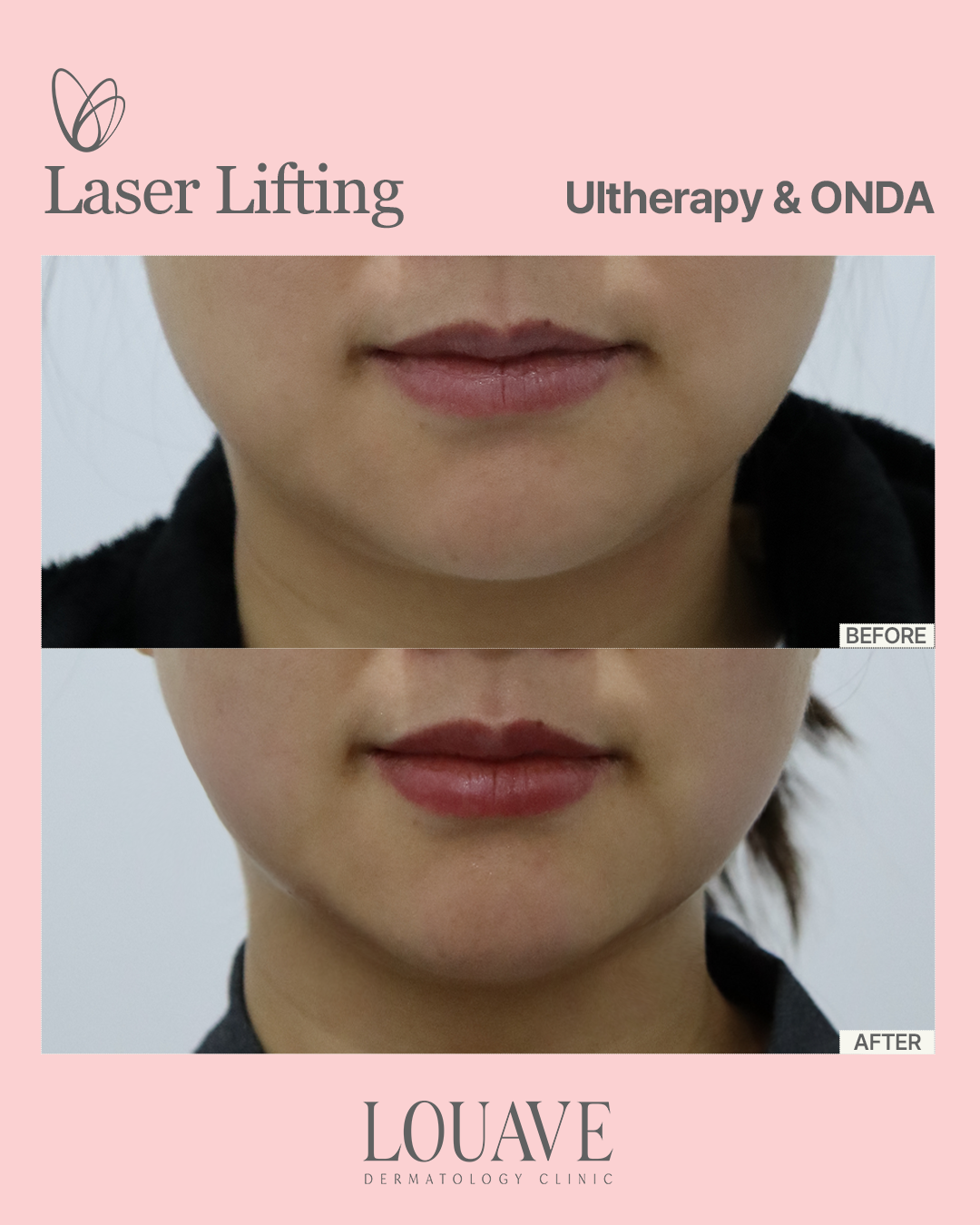
- Significant sagging: Energy-based treatment or surgical evaluation
- Dermatitis or rosacea: Medical treatment before cosmetic injections
Active rashes, hives, infection, or significant inflammation should be controlled before filler injection.
Questions to Ask During Consultation
Consider asking:
- Is my concern related to skin quality or volume loss?
- What is the exact product name?
- What ingredients does it contain?
- Is it a skin booster, dermal filler, or both?
- At what depth will it be injected?
- How many sessions may be required?
- How long may the result last?
- What side effects and serious risks are possible?
- Who will perform the injections?
- How does the clinic manage vascular complications?
Choose According to the Treatment Goal
Skin boosters and dermal fillers should not be viewed as interchangeable treatments.
Skin boosters generally aim to improve hydration, texture, and fine skin quality without significantly changing facial contours. Dermal fillers primarily restore volume, provide structural support, or reshape selected facial areas.
The appropriate choice depends on whether the main concern is the condition of the skin or the shape and support beneath it. A careful facial assessment, clear product information, conservative injection plan, and qualified medical practitioner can help achieve a more natural and appropriate result.