Why Board-Certified Dermatologists Prefer Combination Therapy
Why Board-Certified Dermatologists Prefer Combination Therapy
Combination therapy uses two or more treatments to address different causes of a skin or cosmetic concern. Rather than relying on one procedure to solve everything, a dermatologist may combine prescription skincare, lasers, chemical peels, microneedling, botulinum toxin, fillers, or other treatments.
This approach is not appropriate for every patient. Board-certified dermatologists often recommend it when different concerns or skin layers require separate methods and when combining treatments can provide more balanced, longer-lasting results.
One Treatment Cannot Address Every Concern
Skin appearance is influenced by several factors, including:
- Pigmentation
- Facial redness
- Active inflammation
- Rough texture
- Acne scars
- Muscle movement
- Volume loss
- Skin laxity
- Barrier damage
Each concern develops through a different process. A pigment laser may reduce selected brown spots but cannot restore facial volume. Botulinum toxin may soften expression lines but will not treat acne scars, redness, or melasma.
Combination therapy allows each treatment to have a clear purpose rather than expecting one device or injectable to correct unrelated concerns.
Different Acne Scars Require Different Methods
Acne scars may include rolling, boxcar, ice-pick, raised, and pigmented scars. Because their depth and structure vary, one procedure rarely treats every scar equally.
A dermatologist may combine:
- Subcision for tethered rolling scars
- TCA CROSS for selected narrow scars
- Microneedling for texture
- Fractional laser for resurfacing
- Filler for selected depressed scars
- Injections or laser treatment for raised scars
- Pigment or vascular treatment for residual marks
The American Academy of Dermatology notes that dermatologists may use more than one acne-scar treatment to achieve better results. Active acne is generally controlled first to prevent additional inflammation and new scarring.
Combination Therapy Targets Multiple Acne Pathways
Active acne can involve clogged pores, excess oil, inflammation, and bacteria. Treatment may therefore combine ingredients with different mechanisms rather than relying on one medication.
Current AAD acne guidelines support topical therapies that combine multiple mechanisms of action. They also recommend combining systemic antibiotics with benzoyl peroxide and other topical treatments when antibiotics are appropriate.
A personalized acne plan may include:
- Topical retinoid
- Benzoyl peroxide
- Azelaic acid
- Hormonal treatment
- Oral medication when appropriate
- Gentle skincare
- Later treatment for scars or pigmentation
Using several treatments does not mean applying every active ingredient at once. The dermatologist adjusts the combination to reduce irritation and improve adherence.
Melasma Usually Needs More Than a Laser
Melasma is influenced by pigmentation pathways, ultraviolet exposure, visible light, hormones, heat, and inflammation. A laser alone may produce temporary improvement without adequately controlling the factors that cause recurrence.
Treatment commonly combines:
- Broad-spectrum and tinted sunscreen
- Prescription pigment-control medication
- Gentle skincare
- Trigger management
- Chemical peels in selected patients
- Carefully selected microneedling, laser, or light treatment
The AAD states that there is no single best treatment for melasma. Effective plans often combine sun protection with topical medication and sometimes an in-office procedure, with treatment adjusted for skin tone, pigment depth, and individual triggers.
Facial Aging Occurs at Different Levels
An aged or tired appearance may result from several separate changes:
- Surface pigmentation
- Rough texture
- Dynamic wrinkles
- Facial volume loss
- Reduced collagen support
- Skin laxity
A dermatologist may combine treatments such as:
- Laser or peel for tone
- Microneedling or resurfacing for texture
- Botulinum toxin for expression lines
- Limited filler for structural volume loss
- Skincare and sunscreen for maintenance
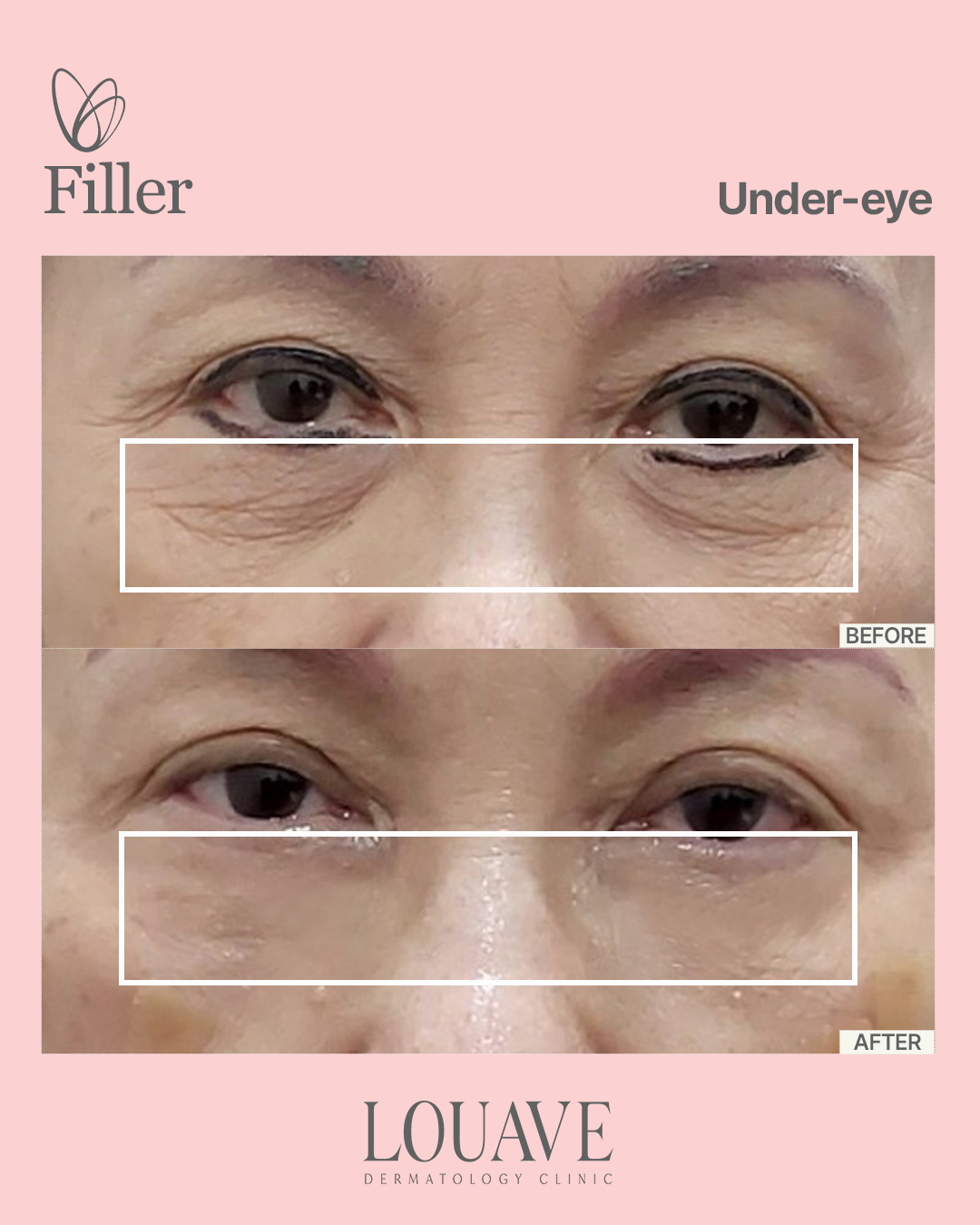
Fillers may also be combined with laser therapy or botulinum toxin when the treatments address different concerns. The plan should be based on facial anatomy and the patient’s goals rather than a standard anti-aging package.
Combination Does Not Mean Same-Day Treatment
An effective combination plan is often staged over several visits.
The dermatologist may:
- Treat active inflammation first
- Stabilize the skin barrier
- Begin prescription skincare
- Correct pigmentation or redness
- Allow the skin to recover
- Treat scars or texture later
- Add injectables only when needed
Staging makes it easier to assess the result of each treatment and identify the cause of any irritation or complication.
It can also prevent unnecessary treatment. After pigmentation, redness, or texture improves, the patient may decide that filler or another procedure is no longer needed.
Treatment Must Be Adjusted for Skin Tone
Laser and resurfacing combinations should be planned carefully for patients prone to post-inflammatory pigmentation.
The dermatologist considers:
- Fitzpatrick skin type
- Current tanning
- Melasma history
- Previous dark marks
- Treatment wavelength
- Energy and treatment density
- Cooling
- Recovery time
- Recent sun exposure
Lasers can be used across different skin types, but darker or recently tanned skin may have a greater risk of burns and pigmentation changes. The practitioner’s experience and ability to tailor the device settings are therefore important.
More Treatments Are Not Automatically Better
Combination therapy should not be confused with performing the largest possible package.
Too many procedures can increase:
- Redness and swelling
- Skin-barrier damage
- Bruising
- Peeling or crusting
- Post-inflammatory pigmentation
- Infection risk
- Delayed healing
- Difficulty identifying which procedure caused a reaction
A dermatologist may recommend only one treatment when one method adequately addresses the concern. Combination therapy is valuable only when every part of the plan has a clear clinical purpose.
Why Medical Experience Matters
Selecting a combination requires understanding how procedures interact, how much inflammation the skin can tolerate, and which treatment should come first.
A board-certified dermatologist can evaluate:
- The correct diagnosis
- Skin tone and sensitivity
- Active skin conditions
- Facial anatomy
- Previous procedures
- Medication and medical history
- Expected downtime
- Risk of complications
- Whether a simpler option would be sufficient
Botulinum toxin injections, lasers, and other cosmetic treatments may appear straightforward, but safe treatment depends on medical knowledge and practitioner experience.
Questions to Ask During Consultation
Consider asking:
- Which concerns require different treatments?
- What should be treated first?
- Why is each procedure included?
- Can the plan be staged?
- Is every treatment necessary?
- How long should I wait between sessions?
- Is the combination suitable for my skin tone?
- What downtime should I expect?
- Which treatment carries the greatest risk?
- When will the result be reassessed?
Combination Therapy Should Remain Personalized
Board-certified dermatologists often use combination therapy because complex skin concerns rarely have only one cause.
Acne may require treatments targeting several pathways. Acne scars may need different procedures for different scar types. Melasma often requires photoprotection, medication, and carefully selected procedures. Facial rejuvenation may involve separate treatments for skin quality, expression lines, and volume loss.
The best combination is not the one containing the most procedures. It is the smallest, safest group of treatments needed to address the patient’s specific concerns while protecting the skin and preserving a natural appearance.