Why Korean Dermatologists Use Combination Treatments
Why Korean Dermatologists Use Combination Treatments
Skin concerns rarely have only one cause. A patient may have active acne, pigmentation, enlarged pores, uneven texture, redness, and early signs of aging at the same time.
For this reason, Korean dermatologists often combine different treatments rather than relying on one procedure. A personalized combination can address several layers of the skin while balancing effectiveness, safety, and downtime.
One Procedure Cannot Treat Every Concern
Different treatments work in different ways.
For example:
- Pigment lasers target excess melanin
- Vascular lasers focus on redness and visible blood vessels
- Fractional lasers improve texture and scars
- Radiofrequency treatments support tightening
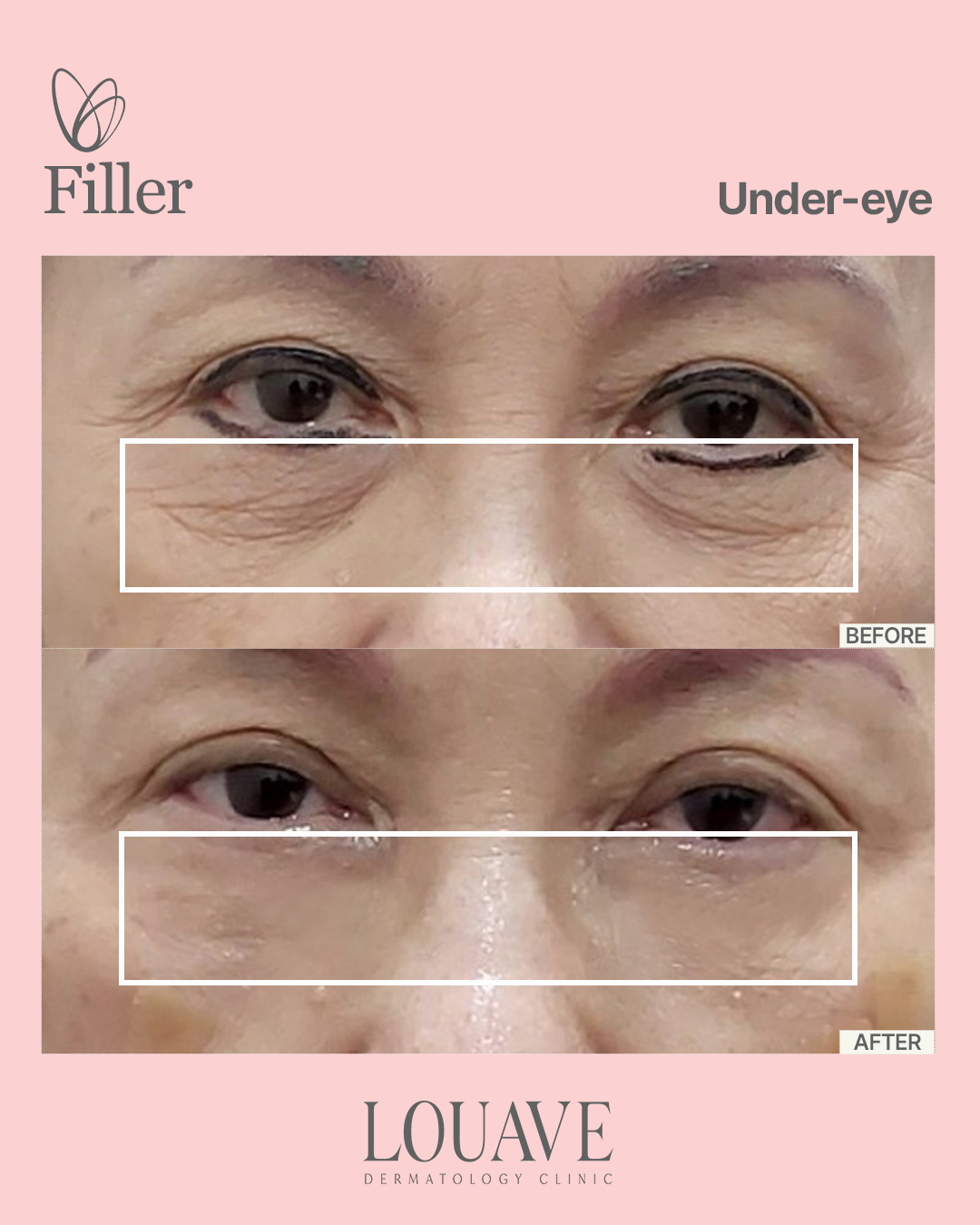
- Injectables address wrinkles or volume loss
- Medical skincare helps control inflammation and maintain results
Using one device for every concern may provide limited improvement or increase unnecessary irritation.
Treatment Begins With Skin Diagnosis
Before selecting a combination, the dermatologist should evaluate the patient’s current skin condition.
The consultation may consider:
- Skin tone and sensitivity
- Active acne or inflammation
- Pigmentation type
- Scar depth and shape
- Redness or visible vessels
- Skin laxity and facial structure
- Previous procedures
- Medical history and medications
- Available recovery time
This helps determine which concerns should be treated first and which procedures can safely be combined.
Treating the Cause and the Visible Concern
A visible skin problem may continue if the underlying cause is not controlled.
For example:
- Acne treatment may be combined with care for pigmentation
- Rosacea management may be combined with vascular laser treatment
- Melasma treatment may include topical products and gentle laser therapy
- Acne scar treatment may begin only after active breakouts are controlled
- Skin tightening may be combined with treatments for texture or wrinkles
This approach addresses both the condition and its visible effects.
Combination Treatment for Pigmentation
Pigmentation may exist at different depths and may be influenced by sunlight, hormones, acne, or inflammation.
A personalized plan may include:
- Gentle laser toning
- Pigment-targeting lasers
- Medical-grade skincare
- Prescription topical products
- Chemical procedures
- Daily sun protection
- Maintenance treatment
Melasma often requires a conservative combination, while individual freckles or sunspots may respond to more targeted treatment.
Combination Treatment for Acne Scars
Acne scars commonly include several scar types.
A patient may have rolling scars, boxcar scars, ice pick scars, redness, and brown marks at the same time.
Treatment may combine:
- Subcision for attached rolling scars
- Fractional laser treatment for texture
- Microneedling or radiofrequency microneedling
- Targeted treatment for deep scars
- Fillers for selected depressions
- Separate treatment for redness or pigmentation
Each procedure addresses a different part of the scar structure.
Combination Treatment for Skin Aging
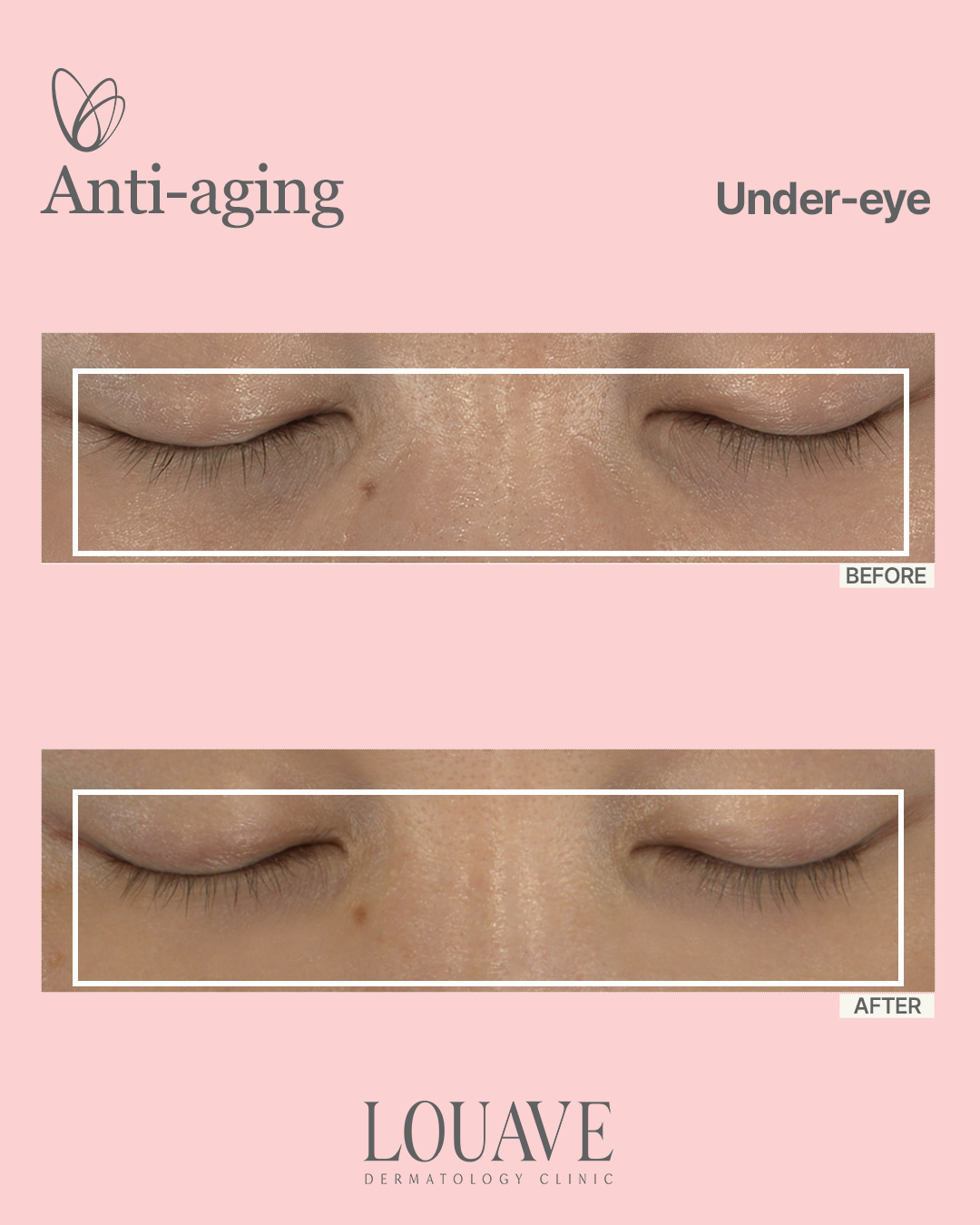
Facial aging can involve wrinkles, volume loss, skin laxity, pigmentation, and changes in texture.
A combined plan may include:
- Wrinkle-relaxing injections
- Dermal fillers
- Skin boosters
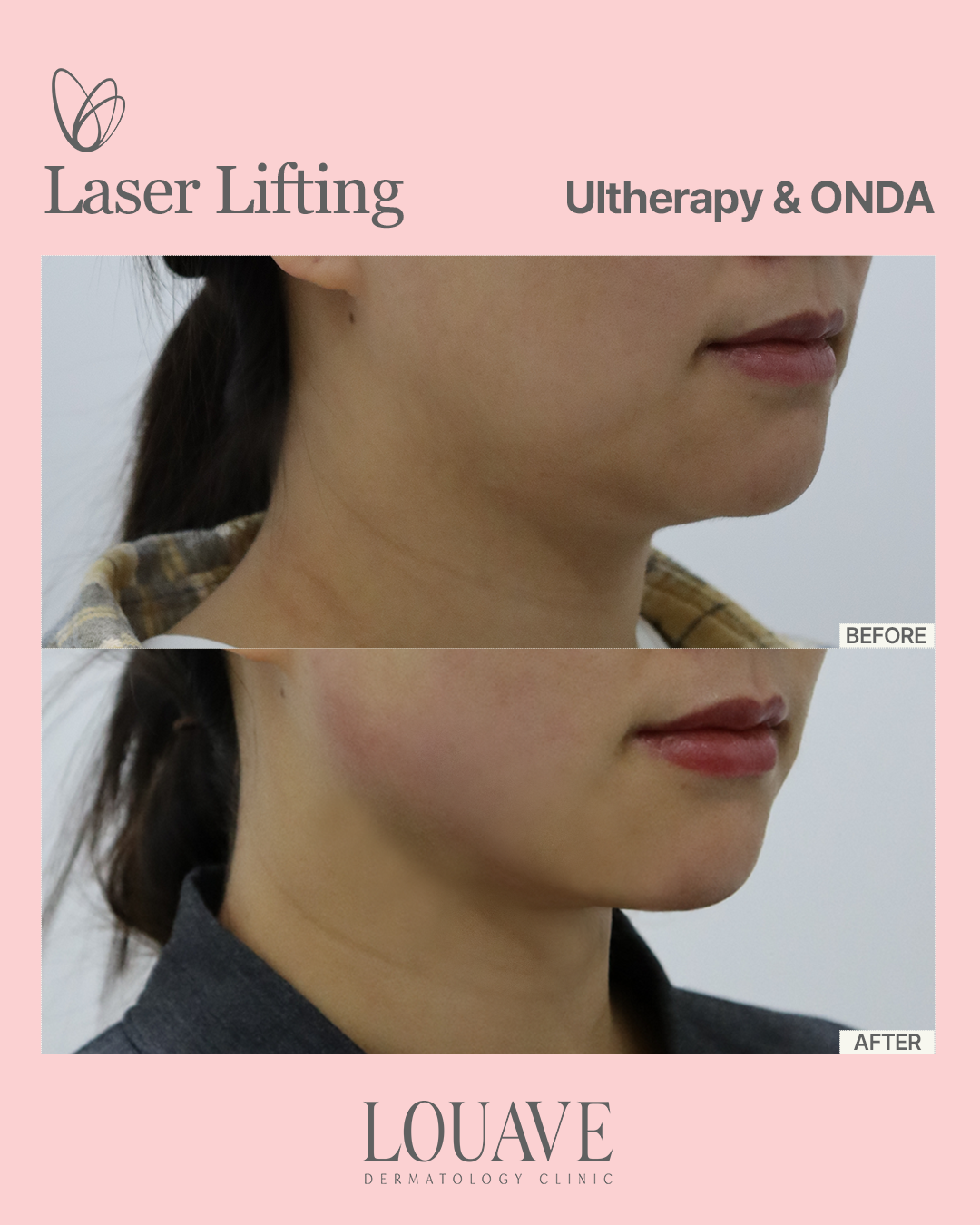
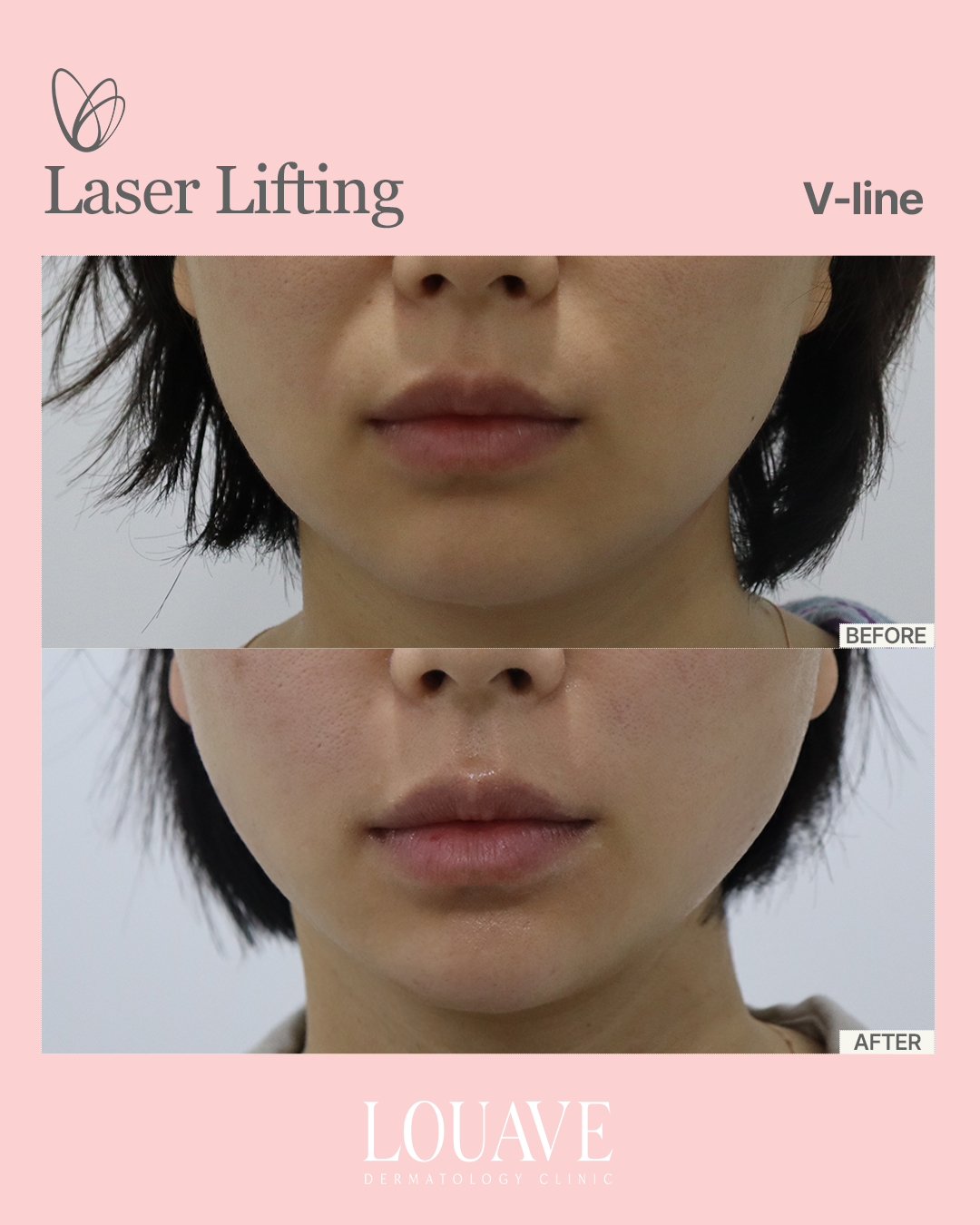
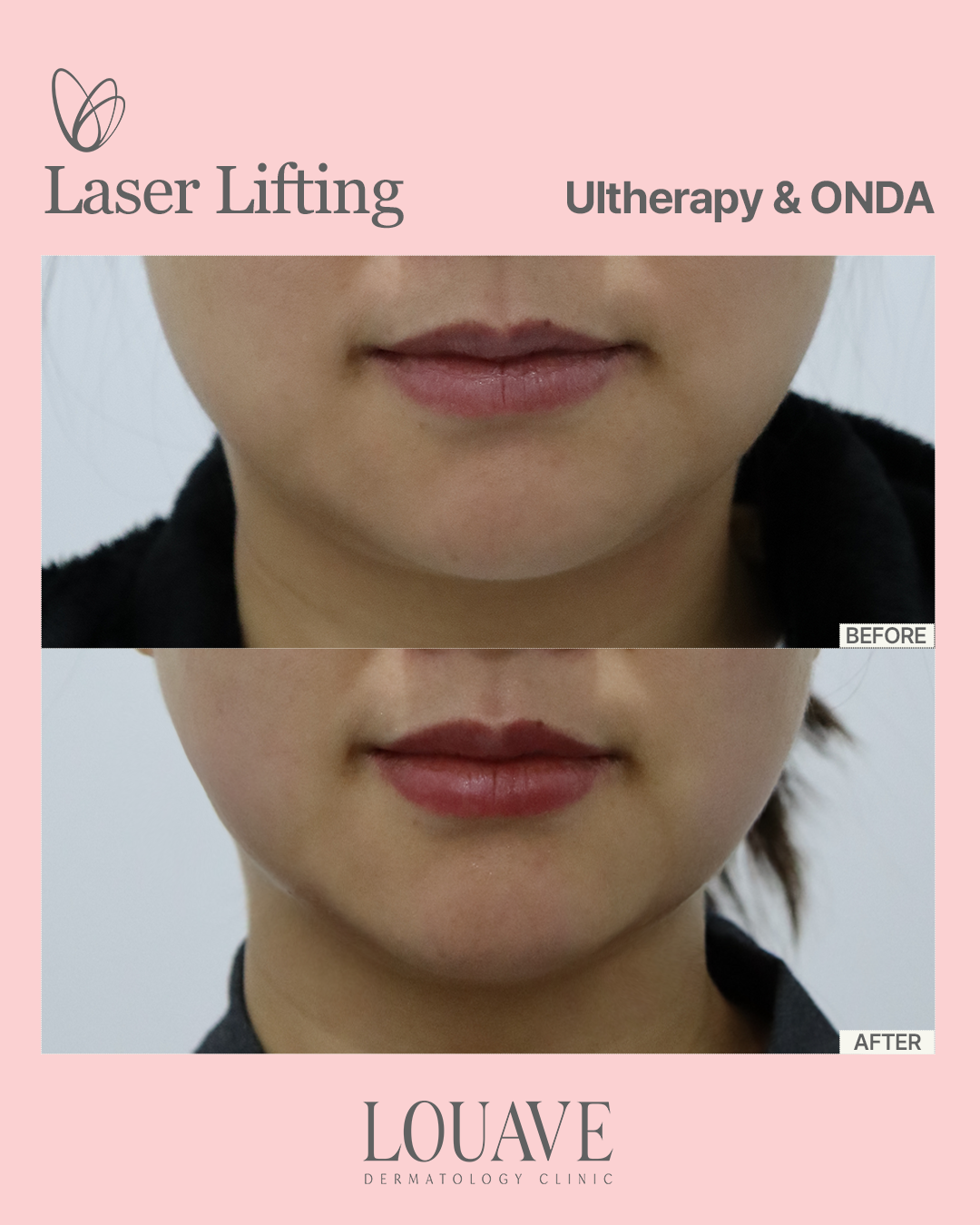
- Radiofrequency or ultrasound treatments
- Laser skin rejuvenation
- Medical skincare
The goal is not to perform every available treatment. The dermatologist should choose only the procedures that match the patient’s facial structure and priorities.
Why Treatments Are Often Performed in Stages
Combination treatment does not always mean completing several procedures on the same day.
A staged plan may be safer because it allows the skin to recover and helps the doctor evaluate the response.
Treatment may be divided into:
- Controlling active inflammation
- Treating the main concern
- Improving remaining texture or discoloration
- Supporting recovery
- Beginning maintenance care
Spacing procedures can reduce irritation and make it easier to adjust the plan when necessary.
Balancing Results and Downtime
Some patients want noticeable improvement with minimal recovery, while others are comfortable with longer downtime.
The dermatologist may adjust:
- Treatment intensity
- Number of procedures
- Session intervals
- Size of the treatment area
- Order of treatments
- Aftercare products
International patients should discuss departure dates, upcoming flights, important events, and outdoor activities before beginning a combination plan.
Considerations for Different Skin Tones
Skin tone affects the risk of redness, burns, and post-inflammatory pigmentation.
Patients with darker or pigment-sensitive skin may require:
- Lower treatment energy
- Longer intervals between sessions
- Careful laser selection
- Pretreatment skincare
- Stronger emphasis on sun protection
- Gradual introduction of active products
Personalized settings are more important than using the strongest available treatment.
Avoiding Overtreatment
More procedures do not always produce better results.
Combining too many treatments or using aggressive settings may lead to:
- Excessive redness
- Swelling
- Skin barrier damage
- Burns
- Prolonged sensitivity
- Post-inflammatory pigmentation
- Unnatural cosmetic results
A professional plan should prioritize the treatments most likely to provide meaningful improvement.
Questions to Ask During Consultation
Before beginning combination treatment, consider asking:
- Which skin concerns are being treated?
- Why are several procedures recommended?
- Which treatment should be performed first?
- Can the procedures be done on the same day?
- How much downtime should I expect?
- Are the treatments suitable for my skin tone?
- What side effects may occur?
- How many sessions may be needed?
- What maintenance care will I need?
Clear explanations can help patients understand the purpose of each procedure.
Personalized Combination Over One-Size-Fits-All Care
Korean dermatologists often use combination treatments because skin concerns can involve different causes, depths, and structures.
The most effective plan is not the one with the largest number of procedures. It is the one that matches each treatment to a specific concern while considering skin type, safety, downtime, and long-term maintenance.
A carefully planned combination can provide more balanced and natural-looking improvement than relying on one procedure alone.