Asian Skin Aging Patterns
Asian Skin Aging Patterns
Asian skin does not follow one universal aging pattern. East Asian, Southeast Asian, South Asian, and mixed-heritage populations vary widely in skin tone, facial structure, sun response, genetics, and environmental exposure.
However, clinical research suggests that pigmentation changes may become noticeable earlier or more prominently than deep wrinkles in many Asian patients. Facial aging should therefore be assessed through skin tone, texture, volume, and facial structure rather than age or ethnicity alone.
Pigmentation May Be an Early Concern
Common visible changes may include:
- Uneven skin tone
- Freckles and sun spots
- Melasma
- Post-inflammatory hyperpigmentation
- Persistent marks after acne
- Dull or irregular complexion
Greater epidermal melanin can provide some natural protection against ultraviolet-related wrinkling. However, pigment-producing cells may also respond strongly to sunlight, heat, inflammation, acne, or cosmetic procedures, making irregular pigmentation an important aging concern.
Pigmentation should be diagnosed carefully. Freckles, solar lentigines, melasma, and post-inflammatory marks may look similar but require different treatment strategies.
Fine Wrinkles May Appear Later
Comparative research generally suggests that visible fine lines and wrinkles tend to develop later or appear less prominently in many Asian populations than in lighter, less pigmented skin.
This difference has been associated with greater melanin-related photoprotection and possible structural differences in the skin. It does not mean Asian skin is protected from collagen loss or photoaging. Wrinkles still develop with age, repeated facial movement, ultraviolet exposure, smoking, pollution, and other environmental factors.
Common wrinkle areas include:
- Crow’s feet
- Lower eyelids
- Forehead
- Frown lines
- Nasolabial folds
- Lines around the mouth
The timing and severity vary considerably between individuals.
Sagging and Facial Contour Changes
Facial aging involves more than the skin surface. Changes may occur in facial fat, ligaments, muscles, and bone support.
Possible signs include:
- Flattening of the cheeks
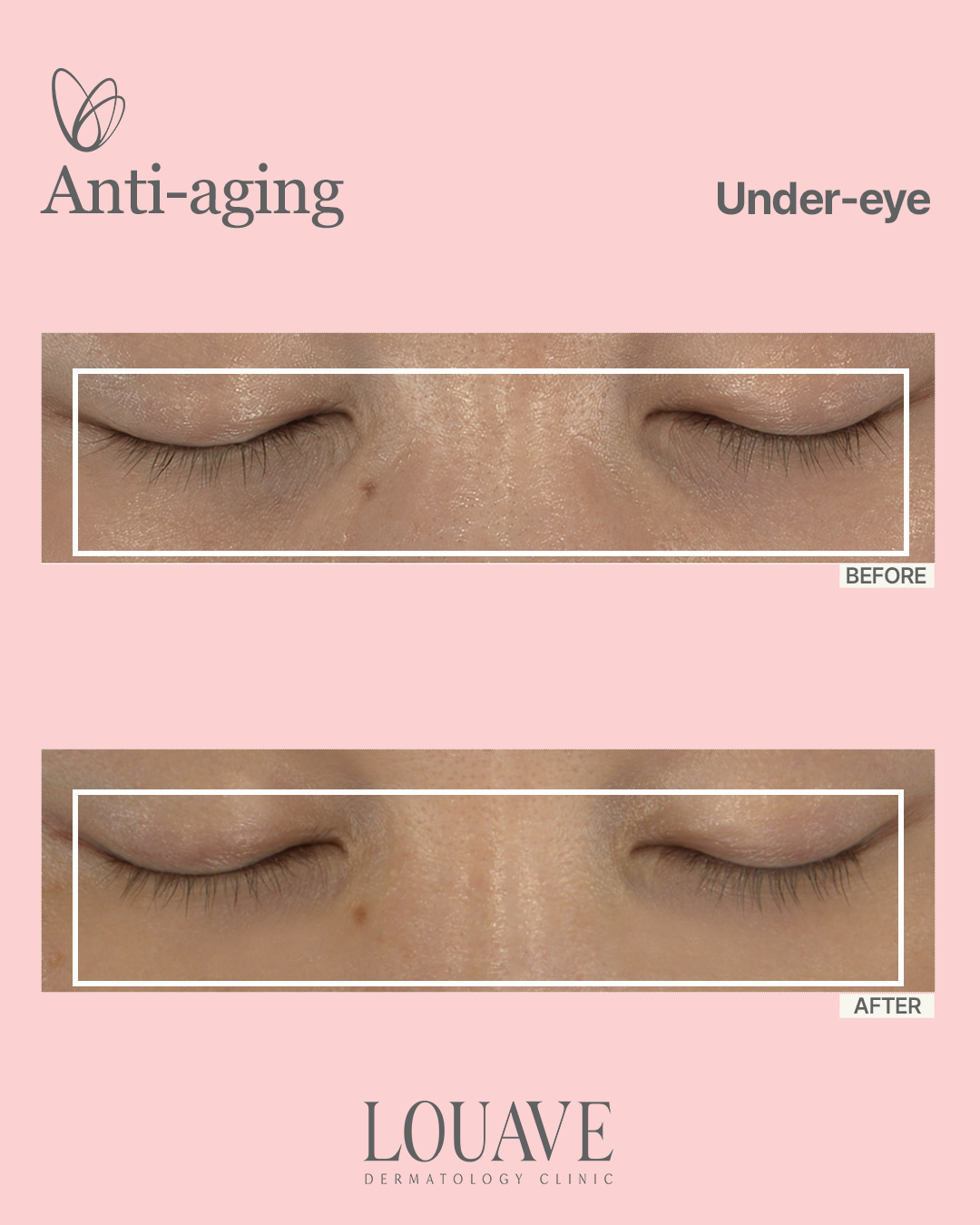
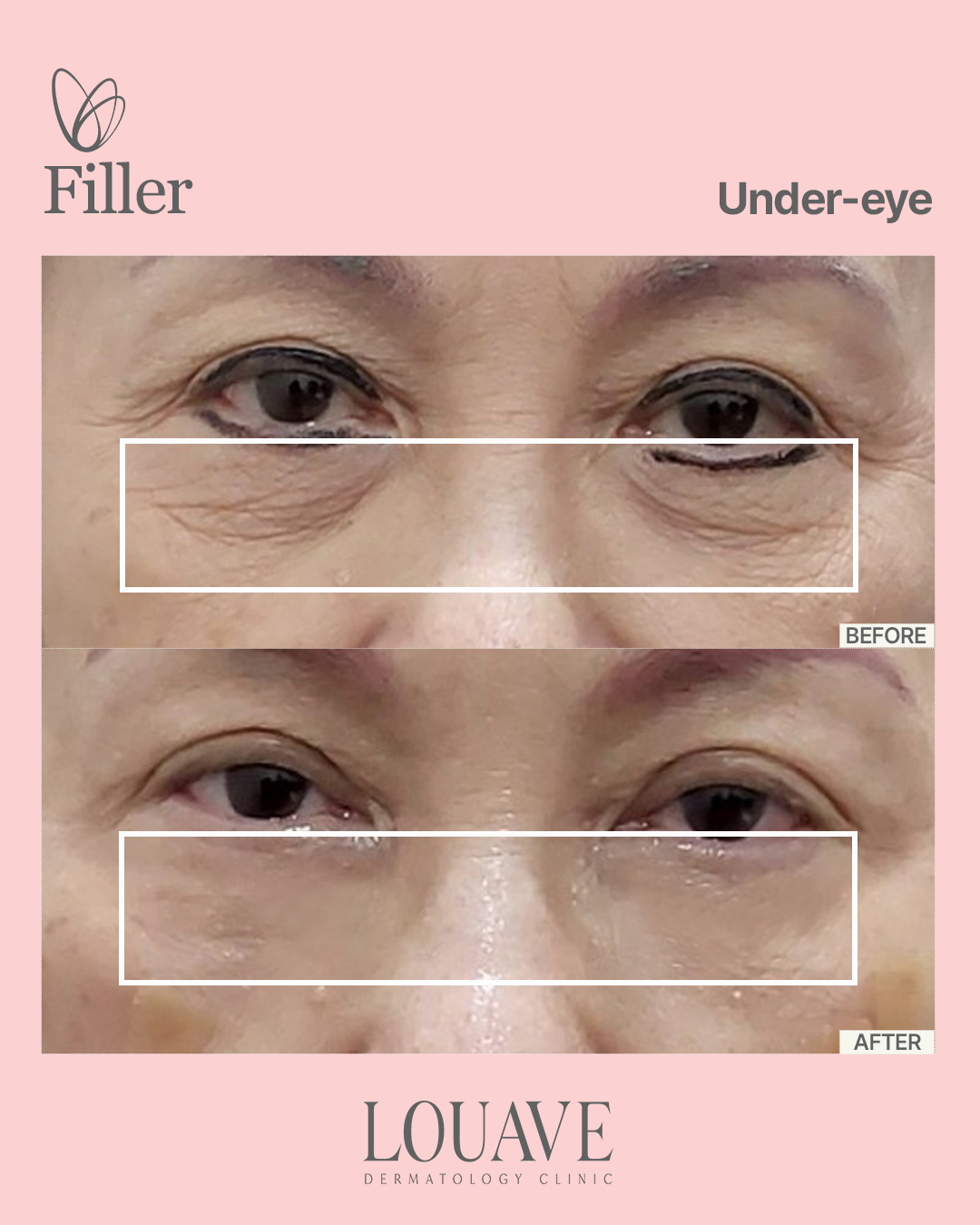
- Under-eye hollowness
- Deeper nasolabial folds
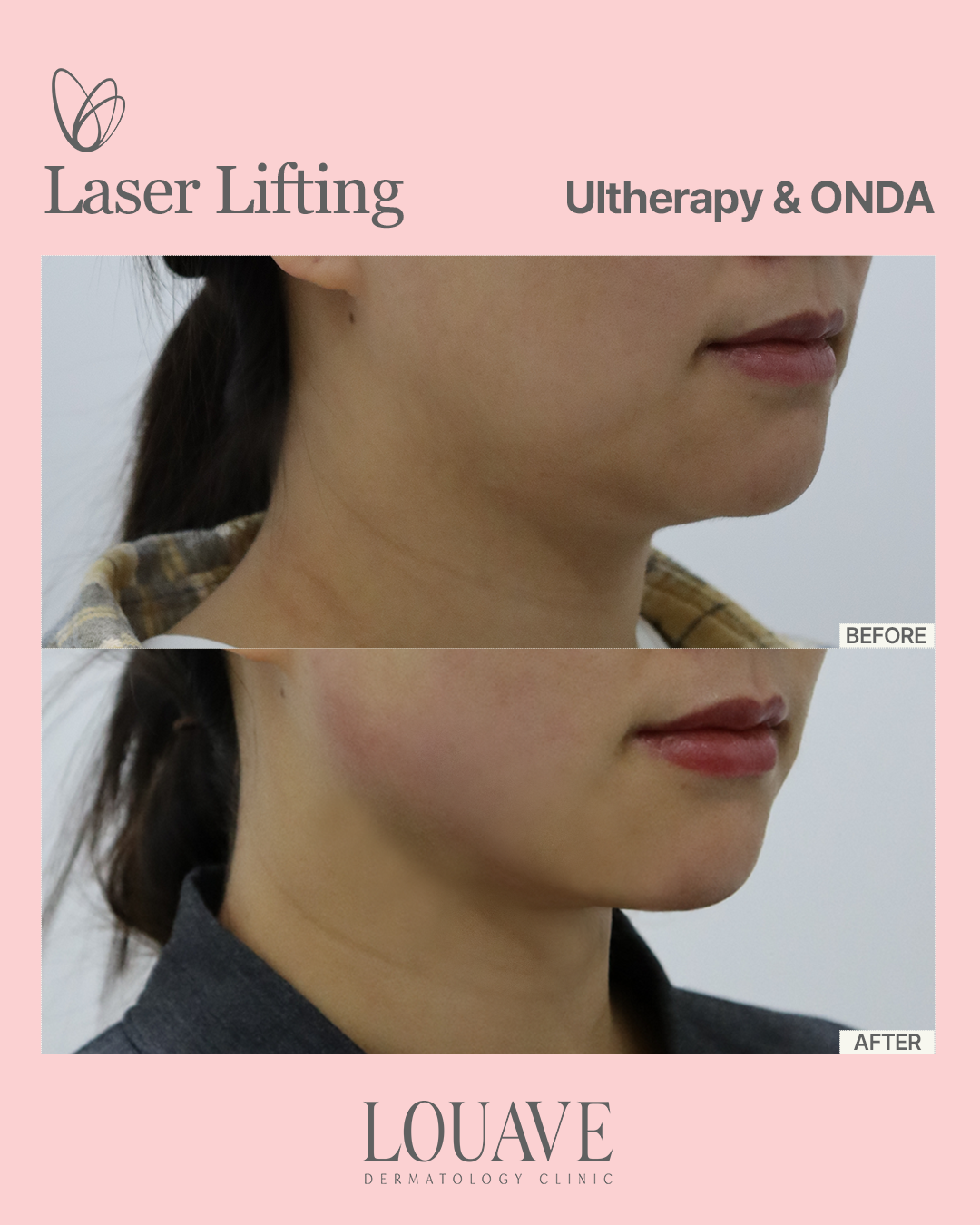
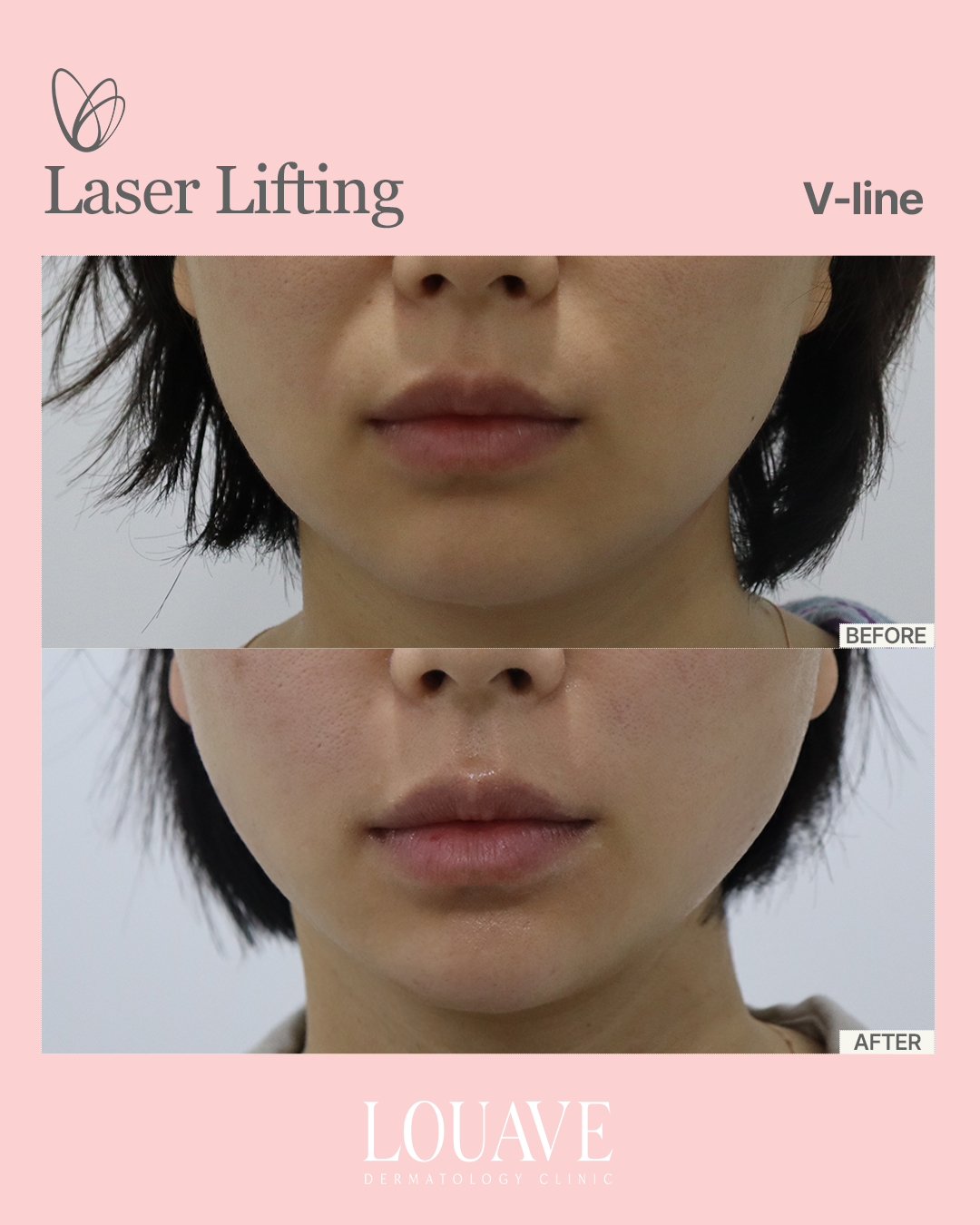
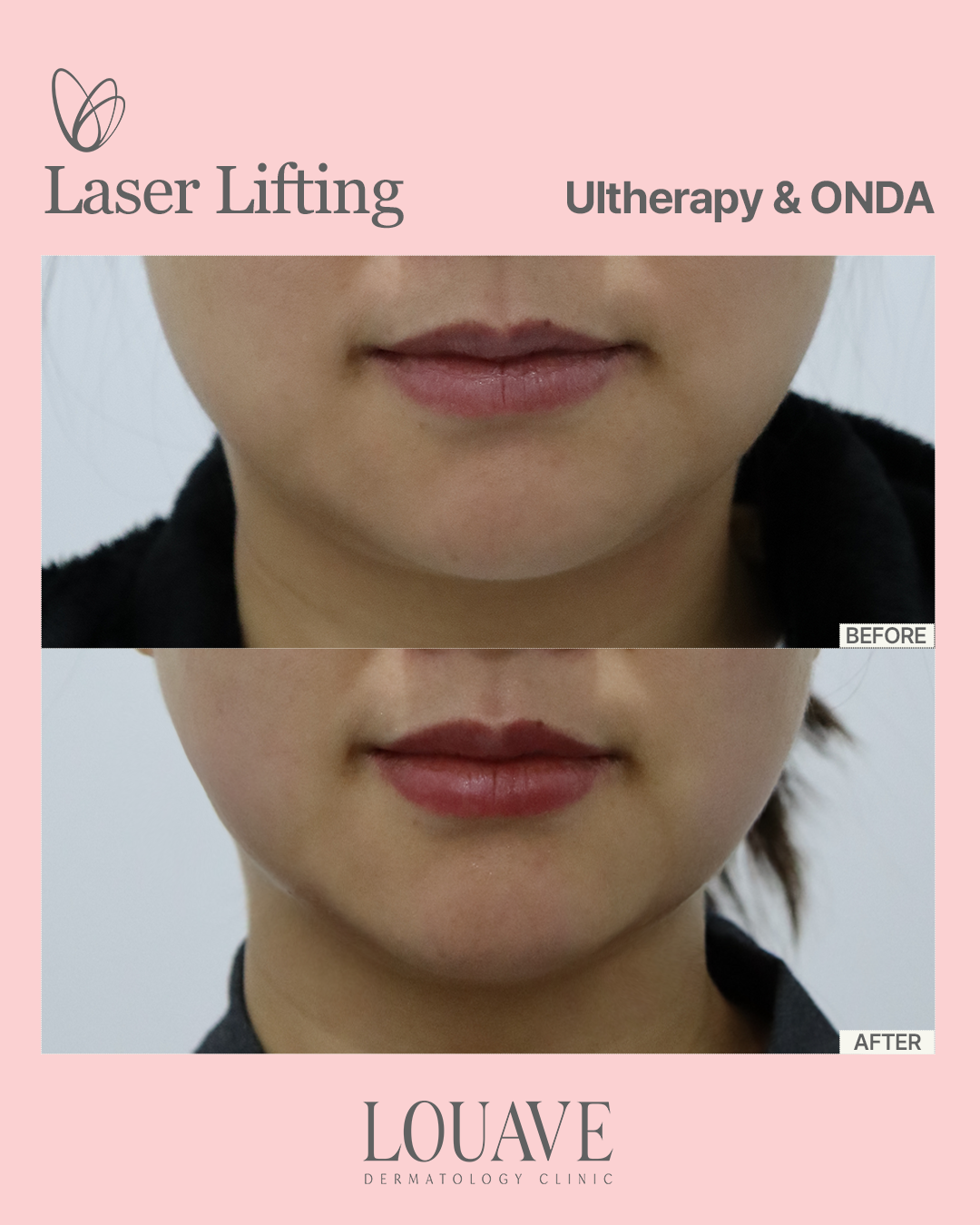
- Reduced jawline definition
- Jowling
- Temple hollowness
- Lower-face heaviness
Three-dimensional research involving Korean women has documented age-related changes in facial soft-tissue shape and proportions. These findings reinforce that rejuvenation should consider individual facial structure rather than applying one standardized treatment plan to all Asian patients.
Some patients primarily experience skin discoloration and texture changes, while others notice contour alteration or tissue descent more strongly.
Post-Inflammatory Pigmentation Is Important
Asian skin tones may develop persistent dark marks after:
- Acne
- Dermatitis
- Scratching
- Burns
- Aggressive exfoliation
- Chemical peels
- Microneedling
- Laser procedures
This response is known as post-inflammatory hyperpigmentation. It can make an otherwise temporary irritation remain visible for weeks or months.
Treatment intensity should therefore be selected carefully. Stronger energy, deeper injury, or repeated procedures do not automatically produce faster improvement and may create additional pigmentation.
Skin Sensitivity Varies
Asian skin should not automatically be described as universally sensitive. Some patients tolerate active skincare and procedures well, while others experience burning, dryness, redness, or barrier disruption easily.
Sensitivity may be affected by:
- Atopic dermatitis
- Rosacea
- Contact allergy
- Climate and humidity
- Aggressive cleansing
- Repeated exfoliation
- Retinoid use
- Acne medication
- Recent cosmetic procedures
A treatment plan should be based on actual skin-barrier condition and medical history rather than ethnicity alone.
Intrinsic Aging vs Photoaging
Intrinsic aging refers to natural biological changes that occur over time, including reduced renewal, dryness, loss of elasticity, and gradual changes in collagen and supporting tissue.
Extrinsic aging is influenced by ultraviolet exposure, smoking, pollution, and other environmental factors. It is added to the natural aging process and may cause pigmentation, roughness, wrinkles, dryness, and reduced elasticity.
Even when wrinkles appear later, cumulative ultraviolet exposure can still cause substantial pigmentation and structural damage. Daily photoprotection remains important across every Asian skin tone.
Preventing Premature Skin Aging
A practical preventive routine may include:
- Gentle cleansing
- Regular moisturizer
- Broad-spectrum sunscreen
- Protective clothing and shade
- Avoidance of tanning
- Treatment of acne and inflammation
- Careful introduction of active ingredients
- Avoidance of smoking
Dermatologists consider sunscreen and moisturizer among the most useful foundational anti-aging products. Broad-spectrum sunscreen with an SPF of at least 30 is generally recommended on exposed skin, together with shade and protective clothing.
Retinoids may improve fine lines, uneven pigmentation, and selected signs of photoaging, but they can also cause dryness, redness, and peeling. They should be introduced gradually according to skin tolerance.
Selecting Treatments by the Main Aging Pattern
Treatment should target the patient’s dominant concern.
For pigmentation, options may include:
- Prescription skincare
- Chemical peels
- Pigment-targeting lasers
- Careful treatment of melasma
- Strict photoprotection
For redness, treatment may involve:
- Rosacea medication
- Barrier-focused skincare
- Vascular lasers
- Trigger management
For texture and wrinkles, options may include:
- Retinoids
- Microneedling
- Fractional laser treatment
- Chemical peels
- Conservative botulinum toxin
For volume loss or sagging, treatment may involve:
- Dermal fillers
- Collagen-stimulating procedures
- Energy-based treatments
- Surgical assessment for more advanced changes
Several treatments may be combined, but each should have a specific purpose. Dermatologists often use different approaches for separate signs of aging rather than expecting one procedure to correct pigmentation, wrinkles, texture, and structural changes simultaneously.
Laser Treatment Requires Individual Settings
Laser selection should account for:
- Actual skin tone
- Recent tanning
- Fitzpatrick skin type
- History of melasma
- Previous pigmentation
- Treatment target
- Wavelength
- Energy and pulse duration
- Cooling method
- Recovery time
Asian patients with pigmentation-prone skin may require conservative settings or test spots. The same treatment name can produce very different effects depending on the device, parameters, and practitioner.
Melasma should be approached especially carefully because inflammation and heat may worsen or reactivate pigmentation.
Questions to Ask During Consultation
Consider asking:
- What is my main aging pattern?
- Is pigmentation, texture, volume loss, or laxity the priority?
- Do I have melasma or post-inflammatory pigmentation?
- Is my skin barrier healthy enough for treatment?
- Is the procedure suitable for my skin tone?
- What is my risk of developing dark marks?
- Can treatment begin conservatively?
- Which changes can skincare realistically improve?
- Do I need one treatment or a staged plan?
- How will progress be evaluated?
Asian Skin Aging Should Be Treated Individually
Many Asian patients experience prominent pigmentation and uneven tone before developing deeper wrinkles. Others are more concerned about redness, texture, volume loss, or facial sagging.
These are general population patterns rather than rules for every person. Genetics, facial anatomy, sun exposure, skin disease, lifestyle, and previous treatment all influence how an individual ages.
A personalized dermatology assessment can identify the dominant aging changes and select treatments that improve skin quality and facial balance while minimizing irritation, pigmentation, and unnecessary procedures.