Board-Certified Dermatologist for Anti-Aging
Board-Certified Dermatologist for Anti-Aging
Anti-aging treatment involves more than selecting a popular laser, injectable, or lifting device. Fine lines, pigmentation, redness, rough texture, volume loss, and sagging may develop for different reasons and affect different layers of the face.
A board-certified dermatologist can evaluate both the medical condition of the skin and the cosmetic concern before recommending treatment. This helps create a plan that is appropriate for the patient’s skin tone, facial anatomy, health history, and desired level of improvement. Board-certified dermatologists receive advanced medical training in diagnosing and treating conditions involving the skin, hair, and nails.
Why Medical Training Matters
Cosmetic procedures may appear simple, but performing them safely requires knowledge of the skin, blood vessels, nerves, muscles, fat, and other structures beneath the surface.
This is particularly important for treatments involving:
- Lasers and light-based devices
- Radiofrequency or ultrasound energy
- Wrinkle-relaxing injections
- Dermal fillers
- Chemical peels
- Microneedling
- Prescription skincare
- Combination procedures
Medical training helps the doctor recognize contraindications, select suitable treatment settings, and respond appropriately if complications occur. The American Academy of Dermatology notes that cosmetic treatment safety depends on detailed knowledge of the skin and underlying anatomy.
Diagnosing the Cause Before Treatment
Not every concern described as aging is caused by collagen loss or increasing age.
For example:
- Facial redness may be related to rosacea or visible vessels
- Brown patches may be melasma rather than ordinary sun spots
- Roughness may result from dermatitis or barrier damage
- Fine lines may become more visible because of dehydration
- Under-eye shadows may involve pigmentation, anatomy, or volume loss
- Sagging may involve skin, fat, muscle, and deeper structural support
A dermatologist can identify medical conditions that should be treated before an elective cosmetic procedure. Treating undiagnosed inflammation or pigmentation with an unsuitable laser may worsen irritation or discoloration.
Evaluating Different Layers of Facial Aging
Skin aging develops through a combination of intrinsic biological changes and external influences such as ultraviolet exposure, smoking, and pollution. Photoaging may add pigmentation, roughness, deeper wrinkles, and reduced elasticity to the gradual changes of natural aging.
During consultation, a dermatologist may evaluate:
- Pigmentation and sun damage
- Redness and visible blood vessels
- Skin texture and acne scars
- Fine lines and deeper wrinkles
- Skin thickness and elasticity
- Facial movement
- Volume and facial contours
- Mild or advanced tissue laxity
- Existing skin conditions
- Previous cosmetic procedures
This layered evaluation helps determine which concerns can be treated with skincare, lasers, injectables, energy-based devices, or another approach.
Matching the Treatment to the Concern
Different anti-aging treatments have different purposes.
A personalized plan may include:
- Medical skincare for prevention and maintenance
- Pigment treatment for selected sun spots or uneven tone
- Vascular laser treatment for redness and visible vessels
- Fractional resurfacing for texture, scars, or fine lines
- Wrinkle-relaxing injections for expression-related lines
- Fillers for carefully selected areas of volume loss
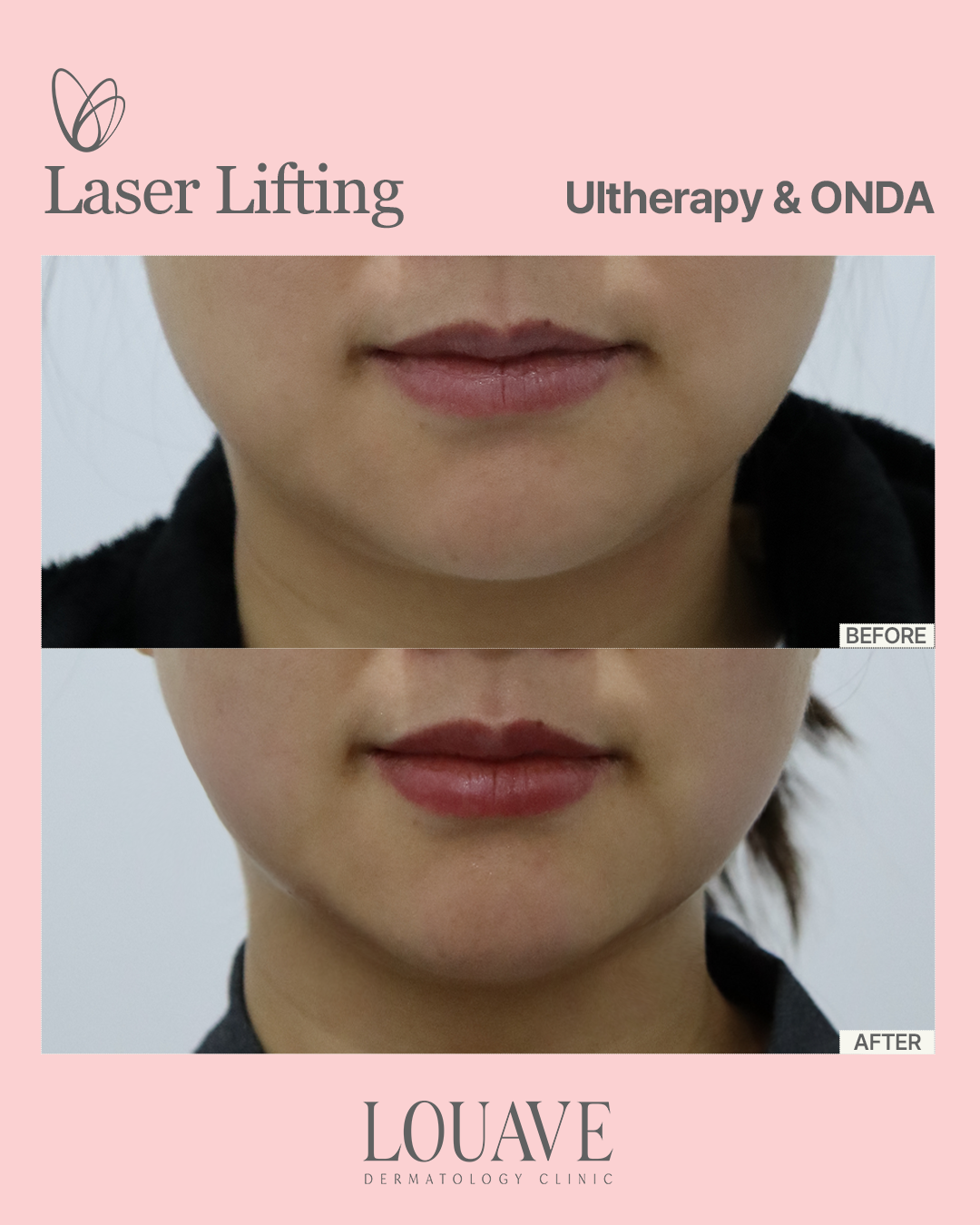
- Energy-based treatment for mild skin laxity
- Surgical referral when non-surgical treatment is unlikely to be sufficient
Facial rejuvenation may involve several treatment categories because no single procedure corrects every sign of aging.
Selecting Lasers More Carefully
A laser should be chosen according to its target rather than its popularity.
Different devices may primarily target:
- Pigment
- Blood vessels
- Water within the skin
- Acne scars and texture
- Collagen remodeling
- Deeper tissue heating
The dermatologist must also consider skin tone, recent sun exposure, active inflammation, pigmentation history, scar tendency, and previous laser reactions.
Patients with pigment-sensitive skin may require more conservative settings or staged treatment to reduce the risk of post-inflammatory hyperpigmentation. Stronger treatment is not automatically safer or more effective.
Planning Injectables Around Facial Anatomy
Wrinkle-relaxing injections and dermal fillers require different forms of assessment.
Wrinkle-relaxing treatment may be appropriate for lines caused mainly by repeated muscle activity, such as:
- Forehead lines
- Frown lines
- Crow’s feet
- Chin dimpling
- Selected jawline or neck concerns
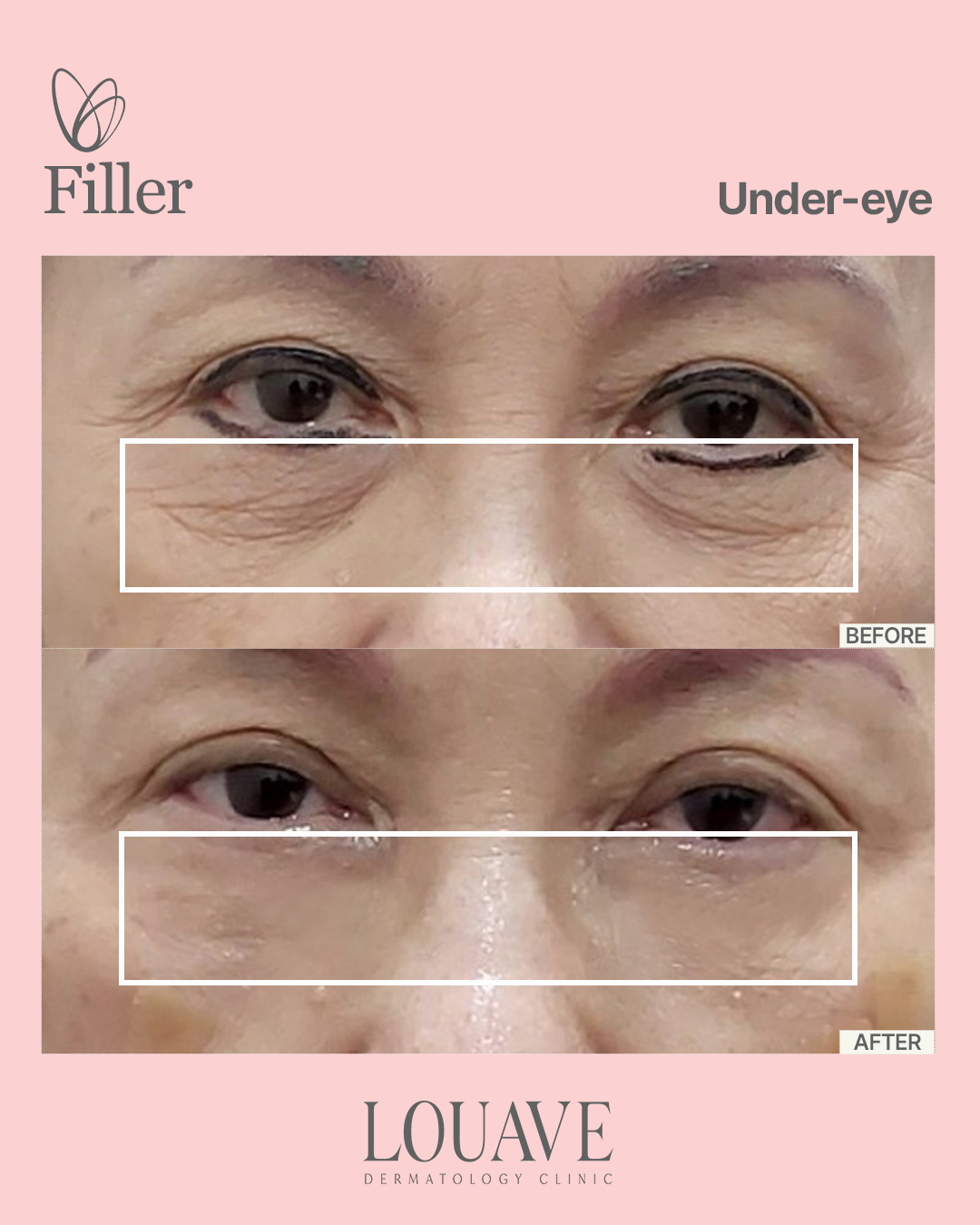
Fillers may be considered when changes in volume or structural support create hollowness, shadows, or altered contours.
Possible areas include:
- Temples
- Cheeks
- Under-eye area
- Nasolabial folds
- Lips
- Chin
- Jawline
The treatment should consider blood-vessel anatomy, muscle movement, facial proportions, asymmetry, and existing filler. Excessive or poorly placed treatment may affect natural expression or create an overfilled appearance.
Recognizing and Managing Complications
Every cosmetic procedure carries potential side effects.
Possible reactions include:
- Redness
- Swelling
- Bruising
- Tenderness
- Peeling or dryness
- Temporary pigmentation changes
- Infection
- Burns
- Scarring
- Persistent sensitivity
- Unwanted facial asymmetry
Some injectable complications can be more serious, particularly when blood flow is affected. A qualified physician should be able to recognize warning signs, provide immediate treatment, and arrange additional medical care when necessary.
Patients should ask who will perform the procedure and what emergency protocols are available at the clinic.
Avoiding Unnecessary Combination Treatment
Combination treatment can be useful when several different aging concerns are present, but more procedures do not automatically produce a better result.
A dermatologist may recommend staging treatments to:
- Reduce excessive inflammation
- Observe how the skin responds
- Allow swelling to resolve
- Avoid overlapping side effects
- Evaluate whether another procedure is still necessary
- Preserve natural facial balance
A conservative plan may begin with skincare, sun protection, or one targeted treatment before additional procedures are considered.
Considering Skin Tone and Individual Risk
Wrinkles, pigmentation, redness, and volume changes can appear differently across skin tones and ethnic backgrounds.
Treatment planning should consider:
- Natural skin color
- Tendency to develop pigmentation
- History of melasma
- Previous burns or scars
- Skin sensitivity
- Facial structure
- Cultural aesthetic preferences
- Desired degree of change
Using standard settings or the same injection pattern for every patient may not provide appropriate or natural-looking results.
Confirming Specialist Credentials in Korea
International patients receiving anti-aging treatment in Korea should distinguish a dermatology specialist from a clinic that mainly provides cosmetic procedures.
The Korean Dermatological Association identifies its regular members as physicians who have obtained dermatology specialist qualifications in Korea.
Before treatment, patients may ask:
- Is the doctor a qualified dermatology specialist?
- Will the dermatologist personally perform the procedure?
- How much experience does the doctor have with this treatment?
- Is the procedure appropriate for my skin tone?
- What product or device will be used?
- What complications are possible?
- How does the clinic manage emergencies?
- Who provides follow-up care?
Patients should not rely only on social media, before-and-after photographs, clinic interiors, or the number of devices advertised.
Planning Treatment During a Visit to Korea
International patients should inform the dermatologist about:
- Length of stay
- Departure date
- Upcoming flights
- Important events
- Outdoor travel plans
- Previous lasers and injectables
- Current medication
- Allergies
- Pregnancy or breastfeeding
- Available recovery time
- Follow-up options after returning home
A short visit may be suitable for consultation, skincare planning, or selected low-downtime treatment. Intensive resurfacing, multi-session laser programs, or procedures requiring close monitoring may not be appropriate immediately before departure.
Questions to Ask During Consultation
Consider asking:
- Which changes are caused by pigmentation, movement, volume, or laxity?
- Are any medical skin conditions contributing to my concern?
- Which treatment should be prioritized?
- Is the doctor a qualified dermatology specialist?
- Who will perform the procedure?
- Is the treatment suitable for my skin tone?
- What improvement is realistically possible?
- What downtime and risks should I expect?
- Do I need one procedure or a staged plan?
- How can I maintain the results after leaving Korea?
Choose Medical Evaluation Before Cosmetic Treatment
A board-certified dermatologist can evaluate anti-aging concerns within the broader context of skin health, facial anatomy, medical history, and procedure safety.
The most appropriate plan may involve skincare, one carefully selected procedure, a staged combination, or no immediate cosmetic treatment. The goal should not be to perform as many treatments as possible.
A diagnosis-based and conservative approach can support natural-looking improvement while reducing unnecessary procedures and protecting long-term skin health.