Skin Quality vs Facial Volume Loss
Skin Quality vs Facial Volume Loss
Skin quality and facial volume loss can both make the face look older, tired, or less defined. However, they affect different structures and usually require different treatment approaches.
Skin-quality concerns mainly involve the condition of the skin itself, including texture, pigmentation, hydration, redness, and fine lines. Facial volume loss occurs when fat and deeper structural support decrease or shift, creating hollowness, shadows, folds, and changes in facial contours.
Because both may occur together, accurate evaluation is important before choosing lasers, tightening devices, skin boosters, or fillers.
What Is Skin Quality?
Skin quality describes the appearance and function of the skin’s surface and supporting dermal layer.
Common concerns include:
- Rough or uneven texture
- Fine surface lines
- Enlarged-looking pores
- Dryness and dehydration
- Uneven pigmentation
- Sun spots
- Persistent redness
- Acne scars
- Reduced elasticity
- Dullness
- Increased sensitivity
Skin quality is influenced by intrinsic aging, ultraviolet exposure, smoking, inflammation, skincare habits, hormones, and environmental factors. Natural aging affects the skin throughout the body, while extrinsic aging from UV exposure and pollutants adds further texture, pigmentation, and elasticity changes.
What Is Facial Volume Loss?
Facial volume loss involves changes in the fat compartments and deeper structures that support facial shape.
It may create:
- Temple hollowness
- Flattened or less prominent cheeks
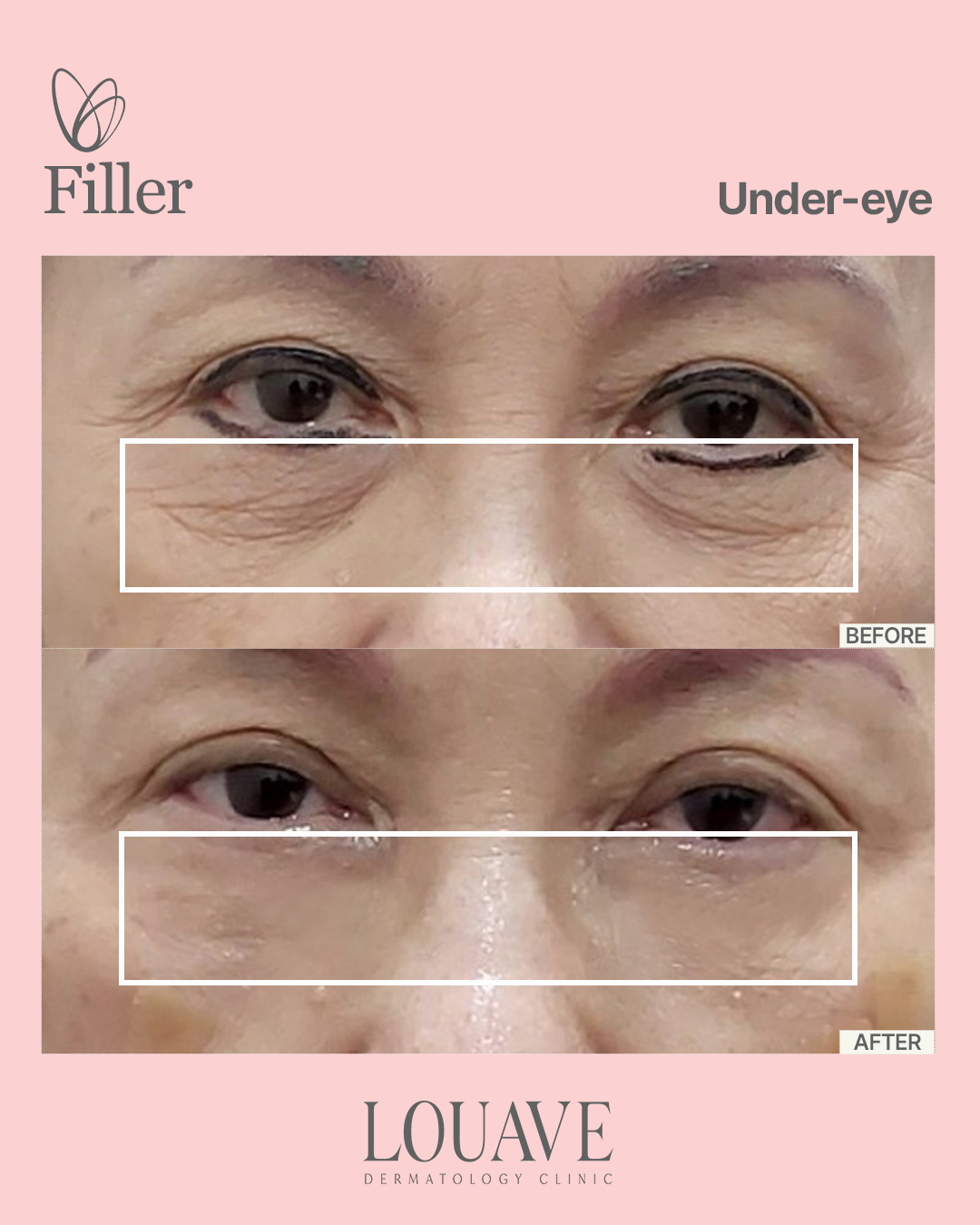
- Under-eye shadows
- Deeper nasolabial folds
- Hollow areas around the mouth
- Reduced lip fullness
- Jowls
- Less defined facial contours
- A tired or gaunt appearance
Research using facial imaging has demonstrated measurable loss of both superficial and deep facial fat with aging, with deeper compartments sometimes showing greater volume reduction. Loss of this support can contribute to deeper folds and altered facial contours.
How They Look Different
Skin-quality changes are usually visible across the surface.
They may cause the skin to look:
- Rough
- Dull
- Uneven
- Red
- Pigmented
- Creased
- Less reflective
- Dry or irritated
Volume loss changes the shape of the face rather than only its surface.
It may cause:
- New shadows
- Hollow areas
- Flattened cheeks
- Deeper folds
- Reduced facial support
- Changes in the transition between facial areas
A patient may have smooth skin but noticeable hollowness. Another may have good facial volume but significant pigmentation, roughness, or acne scarring.
Fine Lines Do Not Always Mean Volume Loss
Fine lines may develop because of:
- Dryness
- Sun damage
- Repeated facial movement
- Reduced collagen support
- Skin-barrier damage
- Natural aging
These lines may improve with skincare, resurfacing, or treatment directed at facial movement.
Deeper folds may be influenced by volume loss, but they can also involve skin laxity, muscle movement, ligament changes, and natural facial anatomy. Filling every visible line without identifying its cause can create excessive volume without correcting the underlying concern.
Shadows Can Be Mistaken for Pigmentation
Dark-looking areas beneath the eyes or around facial folds are not always caused by excess pigment.
They may result from:
- Natural bone structure
- Volume loss
- Tear-trough anatomy
- Tissue descent
- Lighting and shadows
- Visible blood vessels
- Thin skin
- Actual pigmentation
A pigment laser cannot correct a shadow caused mainly by hollowness. Similarly, filler may not improve brown discoloration caused by melanin.
The dermatologist should examine the area under different lighting and from several angles before recommending treatment.
How Dermatologists Evaluate the Difference
A dermatologist may assess the face at rest, during expression, and from different angles.
The evaluation may include:
- Skin texture and hydration
- Pigmentation and redness
- Fine lines and wrinkle depth
- Acne scars
- Elasticity and thickness
- Facial fat distribution
- Under-eye and temple hollowness
- Cheek projection
- Nasolabial and mouth-area folds
- Jawline shape
- Facial symmetry
- Previous fillers or energy-based treatments
Standardized photographs may help document contours and surface changes, but clinical examination is still necessary because lighting can exaggerate both pigmentation and shadows.
Treatments for Skin-Quality Concerns
Treatment depends on whether the main concern is pigmentation, texture, redness, scars, dryness, or fine lines.
Possible options include:
- Medical skincare
- Retinoids when appropriate
- Pigment-targeting lasers
- Vascular laser treatment
- Chemical peels
- Microneedling
- Radiofrequency microneedling
- Fractional laser resurfacing
- Selected skin boosters
- Daily sun protection
Collagen-remodeling and resurfacing procedures may improve fine lines, rough texture, or selected scars, but they do not replace meaningful facial volume.
Daily sun protection and healthy skincare habits remain important because ultraviolet exposure contributes to pigmentation, wrinkles, and collagen damage.
Treatments for Facial Volume Loss
Selected areas of facial volume loss may be treated with:
- Hyaluronic acid fillers
- Other medically appropriate injectable fillers
- Collagen-stimulating injectables
- Autologous fat transfer
- Surgical procedures in more advanced cases
Dermal fillers may restore fullness in areas such as the cheeks, temples, under-eye hollows, and deeper facial creases. Many fillers produce visible results soon after treatment, although the duration and degree of improvement vary by product and treatment area.
Volume treatment should be conservative and based on facial anatomy rather than performed uniformly across the face.
Why Skin Tightening Is Not the Same as Volume Restoration
Energy-based treatments may improve mild laxity by delivering controlled heat to selected tissue layers.
Possible options include:
- Radiofrequency treatment
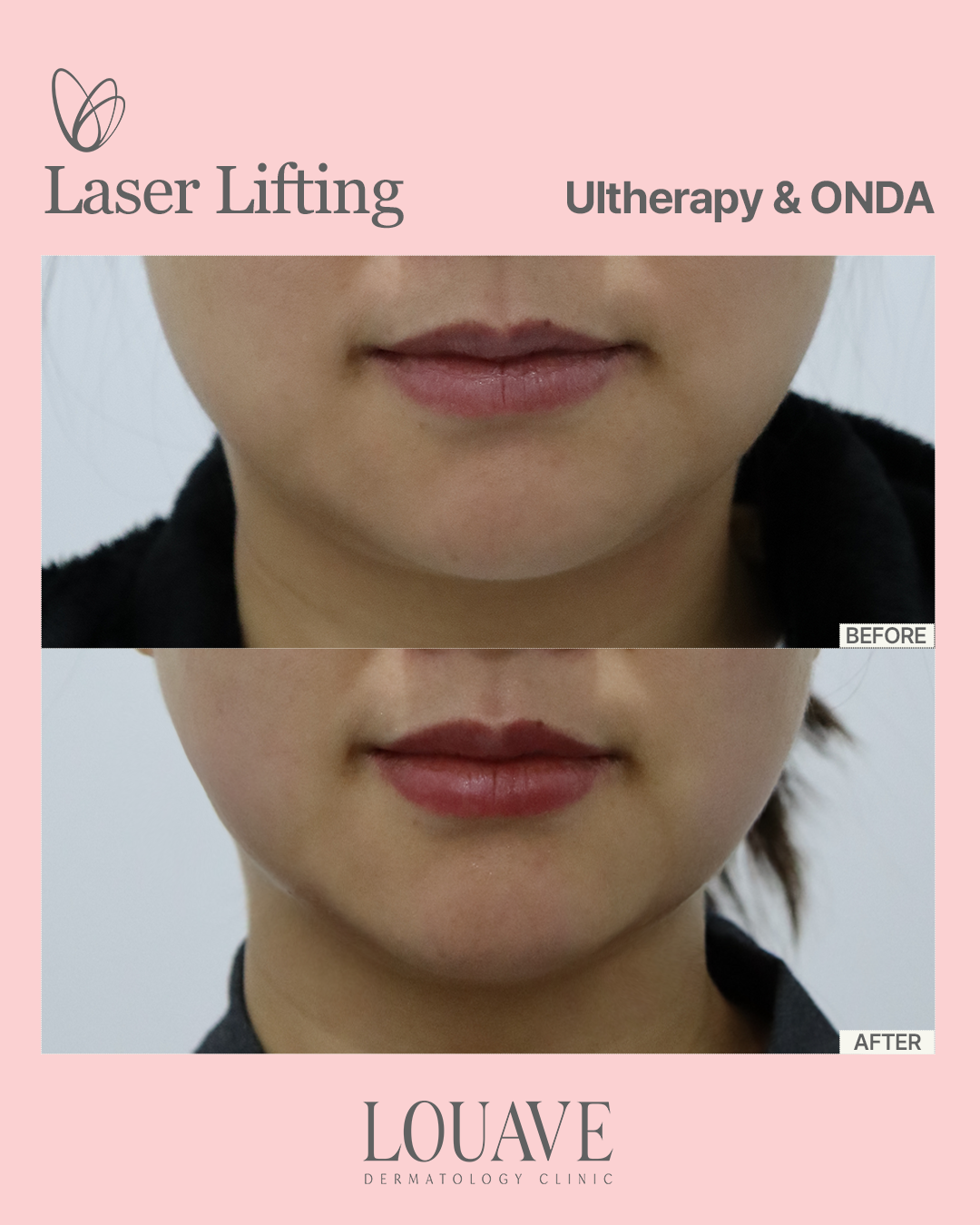
- Ultrasound-based tightening
- Radiofrequency microneedling
- Fractional resurfacing
These procedures may improve firmness gradually, but they do not necessarily restore fat or structural support.
When a hollow appearance is caused mainly by volume loss, repeated tightening may produce limited improvement. Excessive or poorly selected energy treatment may also be undesirable in a face that already appears thin or hollow.
Can Fillers Improve Skin Quality?
Some fillers may soften fine lines or create a smoother appearance by supporting the tissue beneath the skin. However, fillers do not directly treat every surface concern.
They generally cannot correct:
- Sun spots
- Melasma
- Persistent redness
- Visible blood vessels
- Rough surface buildup
- Active acne
- Dermatitis
- Widespread acne scarring
Adding volume without addressing these concerns may change facial shape while leaving the skin itself largely unchanged.
Can Lasers Restore Facial Volume?
Lasers may improve pigmentation, blood vessels, texture, scars, and selected wrinkles, depending on the device.
They do not directly replace lost facial fat.
Collagen-remodeling procedures may make the skin look firmer or smoother, but this should not be described as equivalent to restoring deep cheek, temple, or under-eye volume. The expected result should be explained clearly before treatment.
Why Combination Treatment May Be Appropriate
Many patients have both surface aging and volume loss.
A staged plan may include:
- Skincare for barrier support and maintenance
- Laser treatment for pigmentation or redness
- Resurfacing for texture or fine lines
- Wrinkle-relaxing injections for dynamic lines
- Conservative filler for selected hollowness
- Energy-based treatment for mild laxity
Combination treatment does not mean performing every procedure during one appointment. Staging treatment allows swelling to resolve, results to develop, and the doctor to decide whether further correction is necessary.
Risks of Treating the Wrong Problem
Using an unsuitable treatment may lead to:
- Limited improvement
- Excessive facial fullness
- An unnatural or heavy appearance
- Persistent hollowness despite repeated lasers
- Increased pigmentation
- Burns or prolonged redness
- Unnecessary cost and downtime
- Difficulty correcting previous treatment
Fillers and other cosmetic procedures carry risks even when they are non-surgical. Patients should understand the qualifications of the practitioner, the product or device being used, possible complications, and available follow-up care.
Planning Treatment During Your Stay
International patients seeking treatment in Seoul should tell the clinic about:
- Length of stay
- Departure date
- Upcoming flights
- Important events
- Previous fillers or fat transfer
- Previous lasers or tightening treatments
- History of pigmentation changes
- Current skincare products
- Recent weight loss
- Available recovery time
- Follow-up options after returning home
Swelling and bruising from injectable treatment can temporarily affect facial contours. More intensive resurfacing may also require continued aftercare and sun protection.
Questions to Ask During Consultation
Consider asking:
- Is my concern caused by skin quality or volume loss?
- Are shadows being mistaken for pigmentation?
- Is the problem mainly skin laxity or facial hollowness?
- Which areas actually need volume restoration?
- Could skincare or laser treatment be sufficient?
- Would an energy-based treatment make my face look thinner?
- What results can I realistically expect?
- What downtime and complications are possible?
- Should treatments be performed separately?
- How can I maintain the results after leaving Korea?
Treat the Skin and Facial Structure Separately
Skin quality and facial volume are connected, but they are not interchangeable.
Lasers, resurfacing, medical skincare, and selected energy-based procedures mainly address concerns involving the skin. Fillers, fat transfer, and certain structural treatments address hollowness and loss of facial support.
A careful evaluation can determine whether the patient needs surface treatment, volume restoration, mild tightening, or a staged combination. Matching each concern to the correct treatment helps support natural facial proportions while avoiding unnecessary or excessive procedures.