Collagen Loss Starts Earlier Than You Think
Collagen Loss Starts Earlier Than You Think
Collagen loss is often associated with deep wrinkles and mature skin, but changes within the dermis begin before obvious signs of aging appear. Collagen production, organization, and repair gradually become less efficient over time, while existing fibers may become fragmented or damaged.
This does not mean that everyone needs anti-aging procedures at a young age. Early care should focus on protecting healthy collagen and addressing individual concerns rather than treating normal skin aging as a medical problem.
What Does Collagen Do for the Skin?
Collagen is one of the main structural proteins in the dermis, the layer beneath the skin’s surface. It helps provide strength, support, and resistance to stretching.
Type I collagen is the main form found in adult skin, while other collagen types contribute to the structure of the dermis and the connection between skin layers. Collagen represents a substantial portion of the skin’s dry weight.
Healthy-looking skin also depends on:
- Elastin
- Hyaluronic acid
- Fibroblast activity
- Skin-barrier function
- Blood supply
- Facial fat and bone structure
- Muscle movement
For this reason, every wrinkle or change in firmness cannot be explained by collagen loss alone.
There Is No Single Starting Age
It is common to hear that collagen suddenly begins disappearing at a specific age. In reality, skin aging is a gradual process influenced by genetics, hormones, sun exposure, smoking, pollution, health, and skincare habits.
Some cellular processes, including skin-cell turnover, can begin slowing during the twenties, but the timing and speed of visible aging differ between individuals. Collagen fibers also change in quality and organization, not only in quantity.
The important point is that structural changes may begin before wrinkles, sagging, or thinning become obvious.
Intrinsic Aging vs Photoaging
Skin aging is generally influenced by two overlapping processes.
Intrinsic aging is the natural biological aging that affects everyone. It can gradually lead to thinner skin, reduced collagen support, dryness, fine lines, and slower repair.
Extrinsic aging is caused or accelerated by outside factors, particularly chronic ultraviolet exposure. Smoking and environmental pollutants may also contribute. These influences can make aging changes appear earlier or become more noticeable.
Sun Exposure Accelerates Collagen Damage
Repeated ultraviolet exposure is one of the most important preventable causes of premature skin aging.
UV radiation can damage collagen and elastic fibers in the dermis. Because this damage accumulates, years of unprotected exposure may eventually appear as:
- Fine lines
- Deeper wrinkles
- Uneven pigmentation
- Rough texture
- Reduced elasticity
- Sagging
- Visible sun damage
Daily sun protection can reduce premature aging as well as the risk of sunburn and skin cancer.
Other Factors That May Accelerate Aging
Collagen and overall skin quality may also be affected by:
- Smoking
- Repeated tanning
- Chronic inflammation
- Poor nutrition
- Significant weight changes
- Inadequate sleep
- Hormonal changes
- Repeated harsh procedures
- Skin-barrier damage
- Natural genetic differences
Smoking is associated with premature aging and may contribute to changes in collagen and elastic tissue. Hormonal changes around menopause can also influence skin thickness, hydration, elasticity, and collagen content.
Early Signs Are Not Always Wrinkles
Collagen-related changes may first appear as subtle differences in skin quality rather than deep lines.
Possible early concerns include:
- Fine lines that remain at rest
- Reduced firmness
- Slower recovery after facial movement
- More visible pores
- Uneven texture
- Thinner-looking skin
- Mild laxity
- Reduced elasticity
- Longer recovery after irritation
These changes can also be caused by dehydration, sun damage, acne scarring, facial movement, or loss of volume. A dermatologist should evaluate the concern before assuming that collagen loss is the only cause.
Can Skincare Protect Collagen?
Skincare cannot completely stop biological aging, but certain habits may reduce preventable damage.
A practical routine may include:
- Broad-spectrum sunscreen
- A gentle cleanser
- Regular moisturizer
- Avoidance of tanning
- Gradual introduction of active ingredients
- Avoidance of excessive exfoliation
- Treatment of chronic inflammation
- Smoking cessation
Retinoids may improve fine lines and photoaged skin by supporting cell turnover and collagen remodeling. However, they can cause dryness, peeling, or irritation and are not appropriate for everyone. Prescription retinoids and pregnancy-related precautions should be discussed with a doctor.
Do Collagen Supplements Work?
Oral collagen supplements are widely marketed for skin aging. Some systematic reviews report improvements in measurements such as hydration or elasticity, but results vary according to the product, dose, study design, and treatment period. Supplements should not be viewed as a replacement for sun protection or medical treatment.
Before taking a supplement, consider:
- Product ingredients
- Allergies
- Dietary restrictions
- Existing medical conditions
- Current medication
- Quality and reliability of the manufacturer
Patients should be cautious of products promising to rebuild all lost collagen or permanently reverse aging.
Collagen-Stimulating Dermatology Treatments
Selected dermatology procedures aim to encourage controlled skin repair and collagen remodeling.
Possible options include:
- Microneedling
- Radiofrequency treatment
- Radiofrequency microneedling
- Fractional laser treatment
- Laser resurfacing
- Ultrasound-based tightening
- Selected injectable treatments
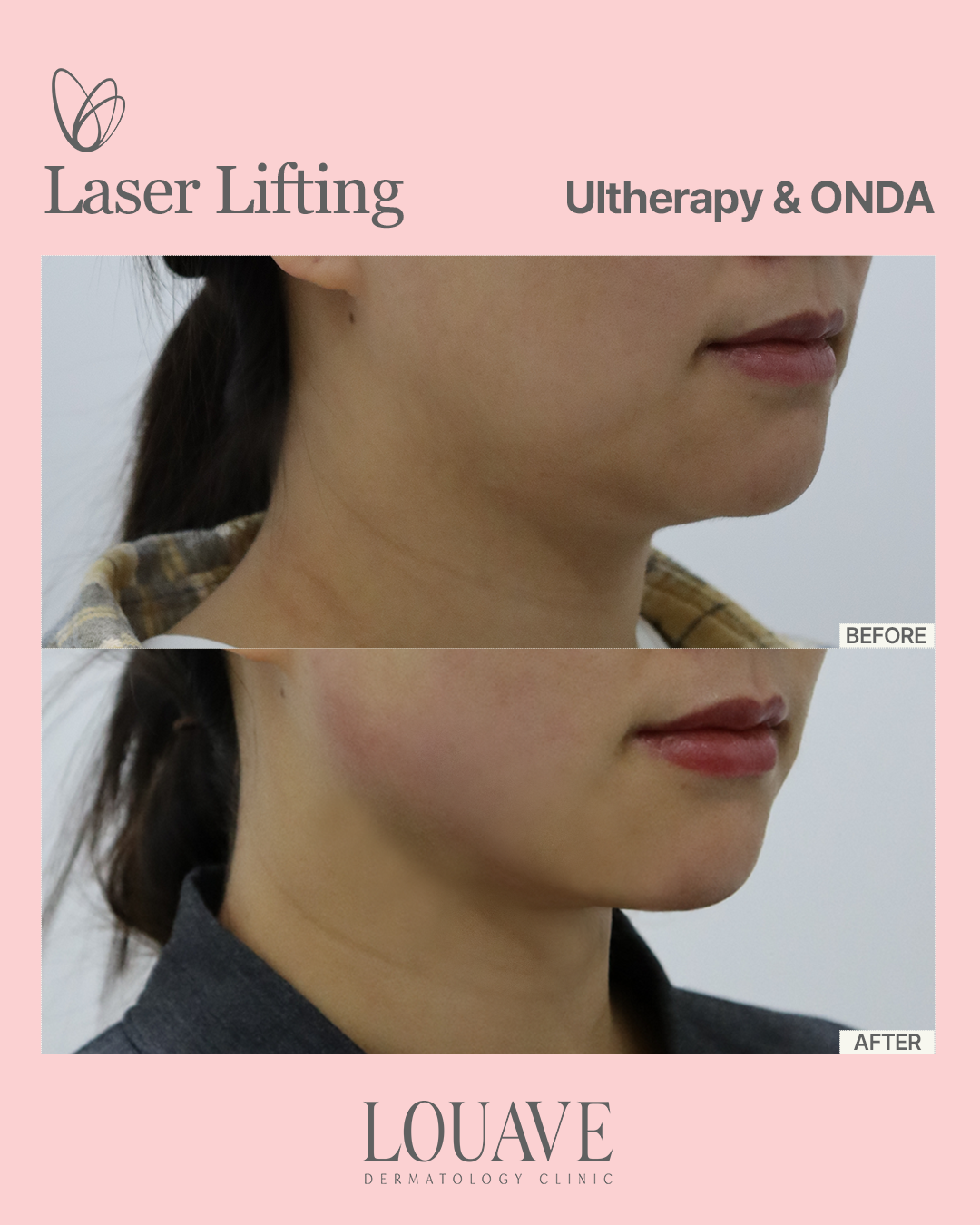
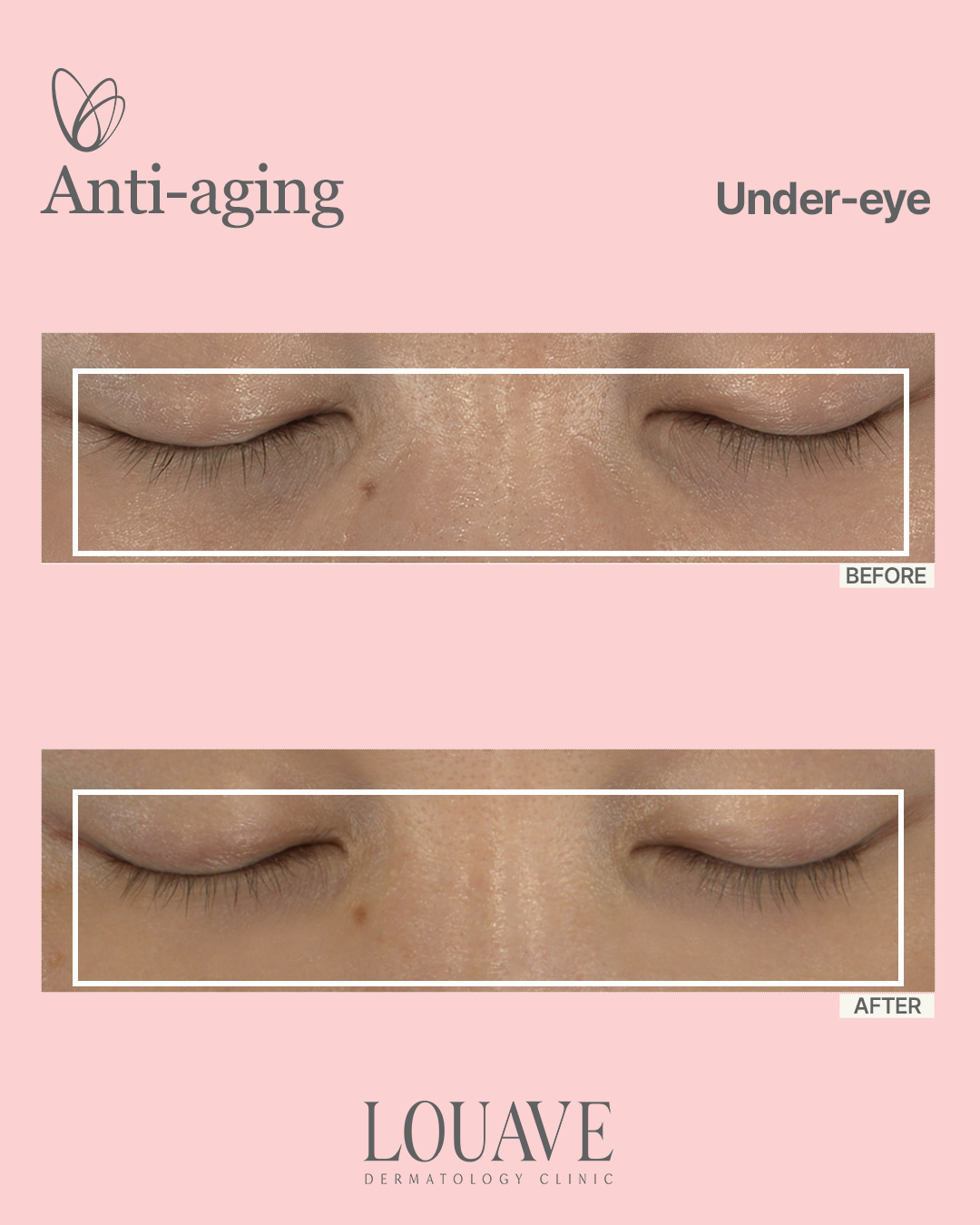
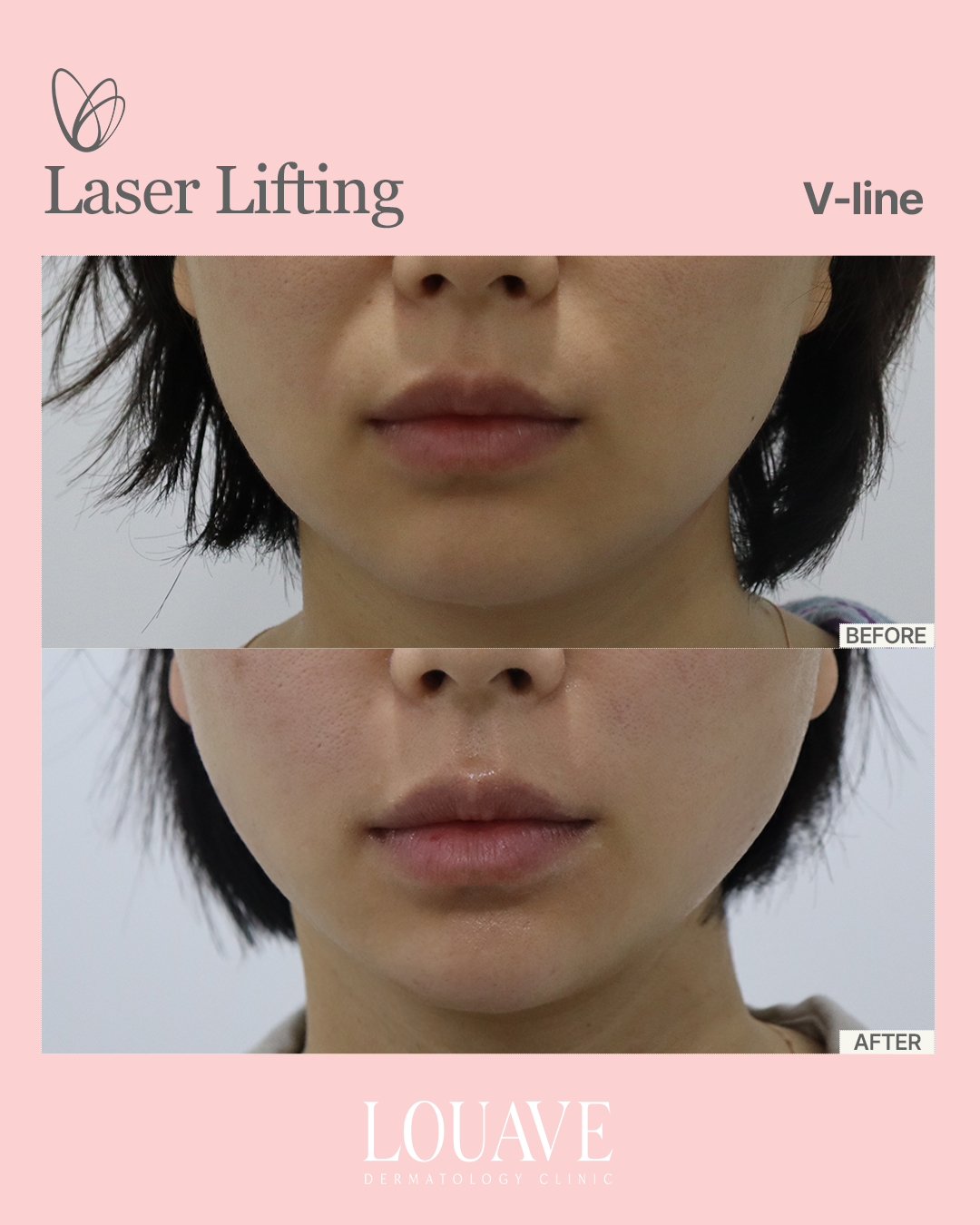
Microneedling creates controlled micro-injuries that stimulate collagen production, while resurfacing and energy-based procedures may improve selected concerns involving texture, wrinkles, scars, or mild laxity. Results generally develop gradually and vary between patients.
Why the Strongest Treatment Is Not Always Better
More energy or deeper treatment does not automatically produce better results.
Aggressive procedures may involve greater risks, including:
- Prolonged redness
- Swelling
- Burns
- Infection
- Pigmentation changes
- Scarring
- Worsening sensitivity
- Unwanted changes in facial volume
The procedure, treatment depth, and energy settings should be selected according to skin tone, skin thickness, facial structure, current inflammation, previous reactions, and available downtime.
Prevention in Your Twenties and Thirties
Preventive care at a younger age does not need to involve frequent procedures.
The most useful priorities are often:
- Daily sun protection
- Avoiding indoor tanning
- Not smoking
- Treating acne before scarring develops
- Maintaining a gentle skincare routine
- Avoiding unnecessary treatment
- Using active ingredients carefully
- Seeking evaluation for persistent concerns
Early prevention is primarily about reducing accumulated damage rather than trying to stop all natural aging.
Planning Treatment in Korea
International patients considering collagen-stimulating treatment in Korea should tell the clinic about:
- Their main concern
- Previous cosmetic procedures
- Current skincare products
- History of pigmentation changes
- Tendency to scar
- Medical conditions and medication
- Length of stay
- Departure date
- Important events
- Available recovery time
Some procedures require several sessions or follow-up after the patient returns home. A treatment plan should therefore match both the skin condition and travel schedule.
Questions to Ask During Consultation
Consider asking:
- Is collagen loss the main cause of my concern?
- Could sun damage, volume loss, or muscle movement be involved?
- Do I need skincare, a procedure, or both?
- Which treatment is appropriate for my skin tone?
- How many sessions may be required?
- When should results become visible?
- What downtime should I expect?
- Could treatment affect facial fat or pigmentation?
- How should I maintain the results?
- Can follow-up continue after I leave Korea?
Protect Collagen Before Chasing Treatments
Collagen changes begin before many people notice visible aging, but this does not mean that early or aggressive treatment is necessary.
Consistent sun protection, healthy skin habits, appropriate skincare, and control of inflammation can help reduce avoidable collagen damage. When treatment is appropriate, it should be selected according to the patient’s actual skin condition rather than age, trends, or the promise of producing “more collagen.”
A personalized dermatology plan can support gradual, natural-looking improvement while protecting long-term skin health.