How Dermatologists Evaluate Skin Aging
How Dermatologists Evaluate Skin Aging
Skin aging is not evaluated by counting wrinkles alone. Dermatologists consider changes in skin texture, pigmentation, elasticity, facial movement, volume, and underlying structure before recommending treatment.
This broader assessment helps distinguish surface-level concerns from deeper changes and prevents patients from receiving a procedure that does not address the actual cause of their concern.
Understanding the Patient’s Main Concern
The consultation usually begins by asking what the patient has noticed and what type of improvement they expect.
Common concerns include:
- Fine lines and wrinkles
- Uneven pigmentation
- Enlarged pores
- Rough or dull texture
- Persistent redness
- Loss of firmness
- Facial hollowness
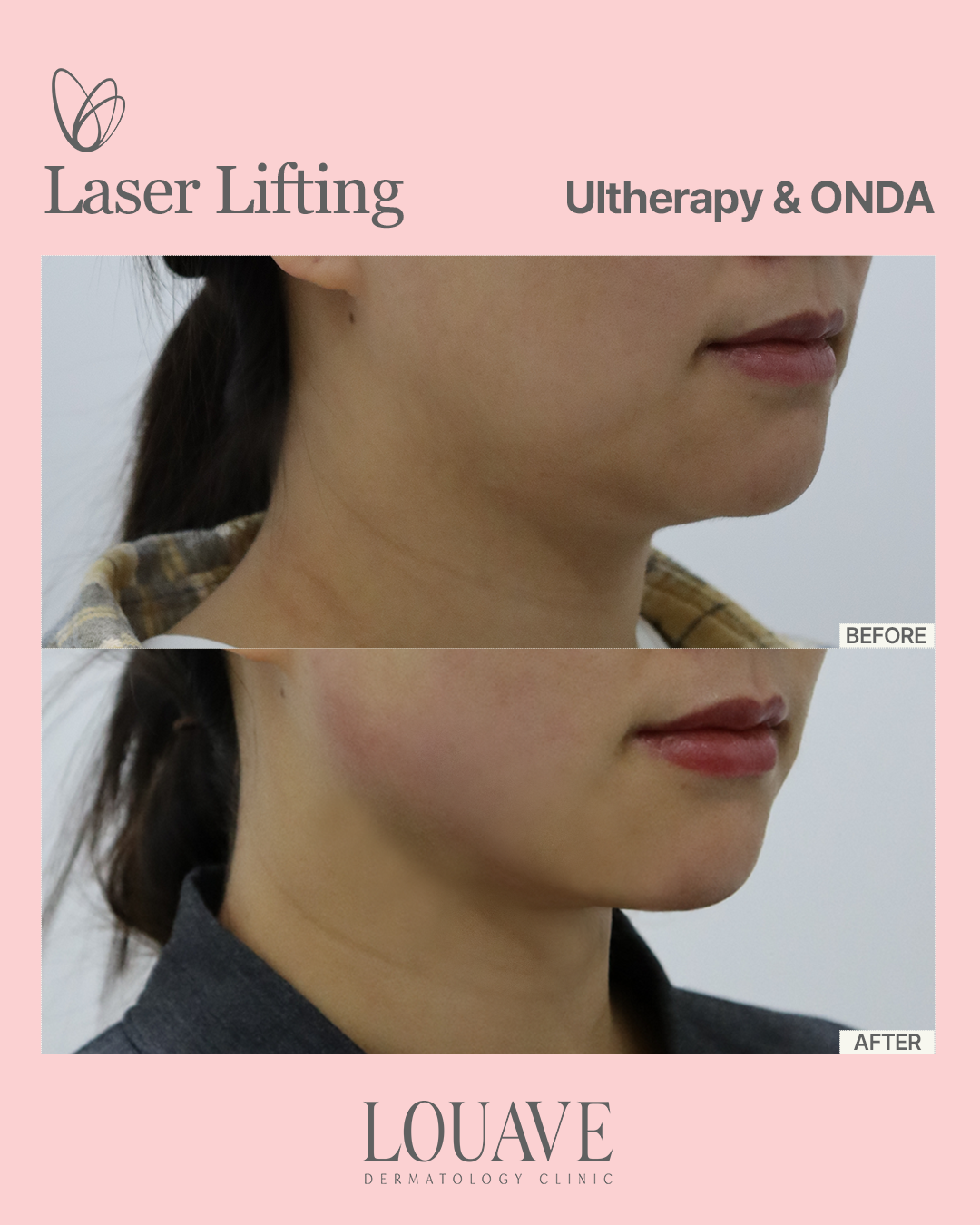
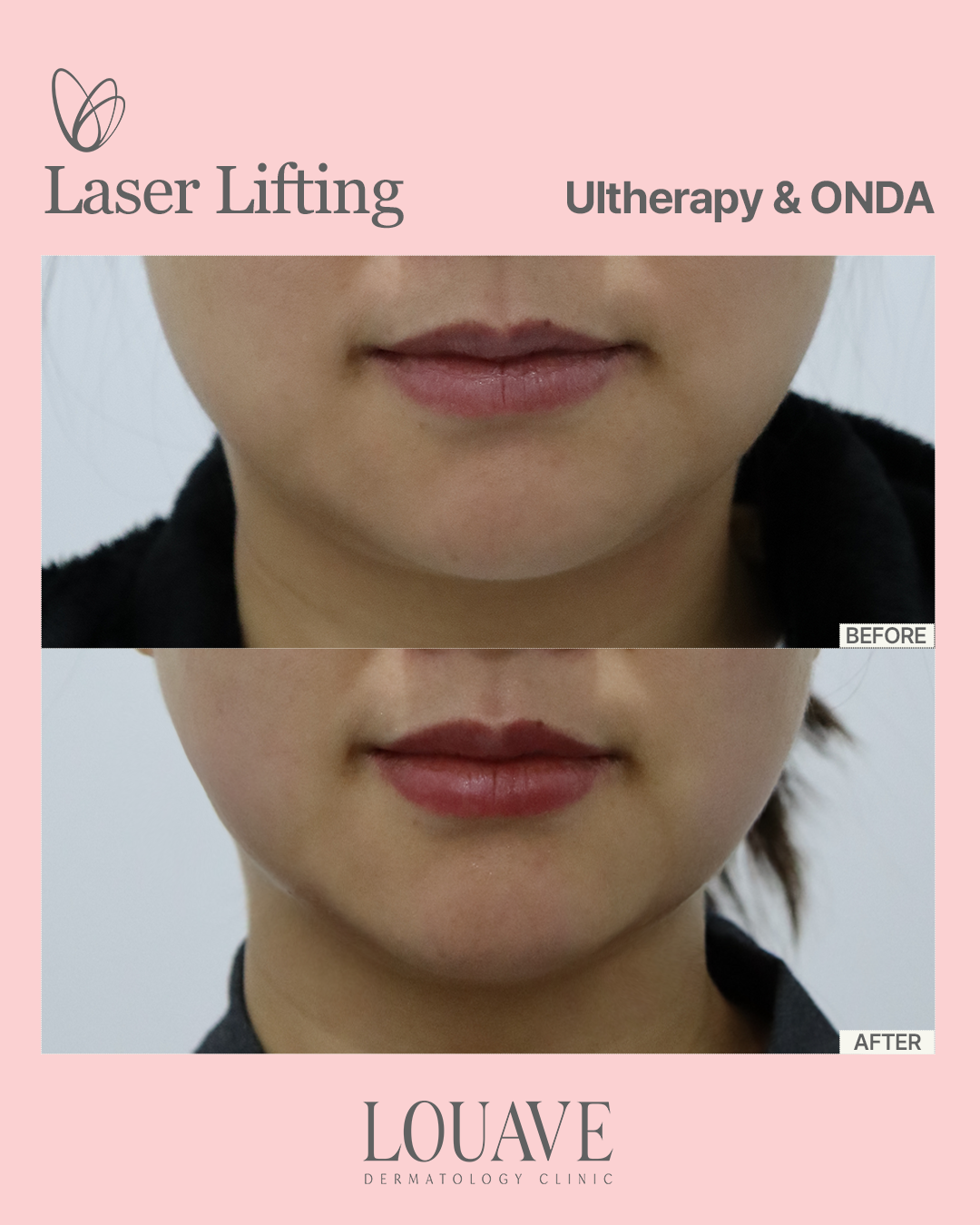
- Sagging around the jawline
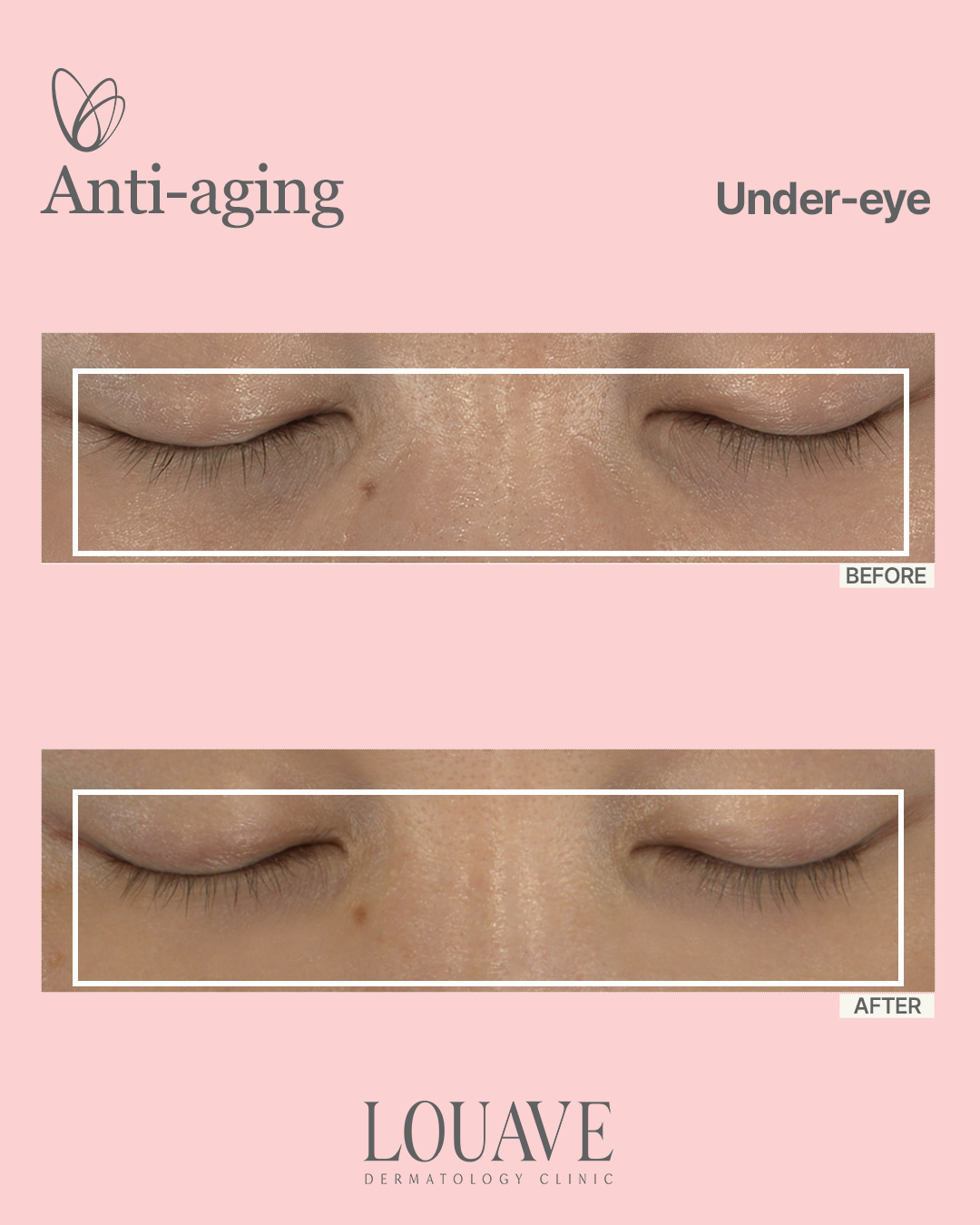
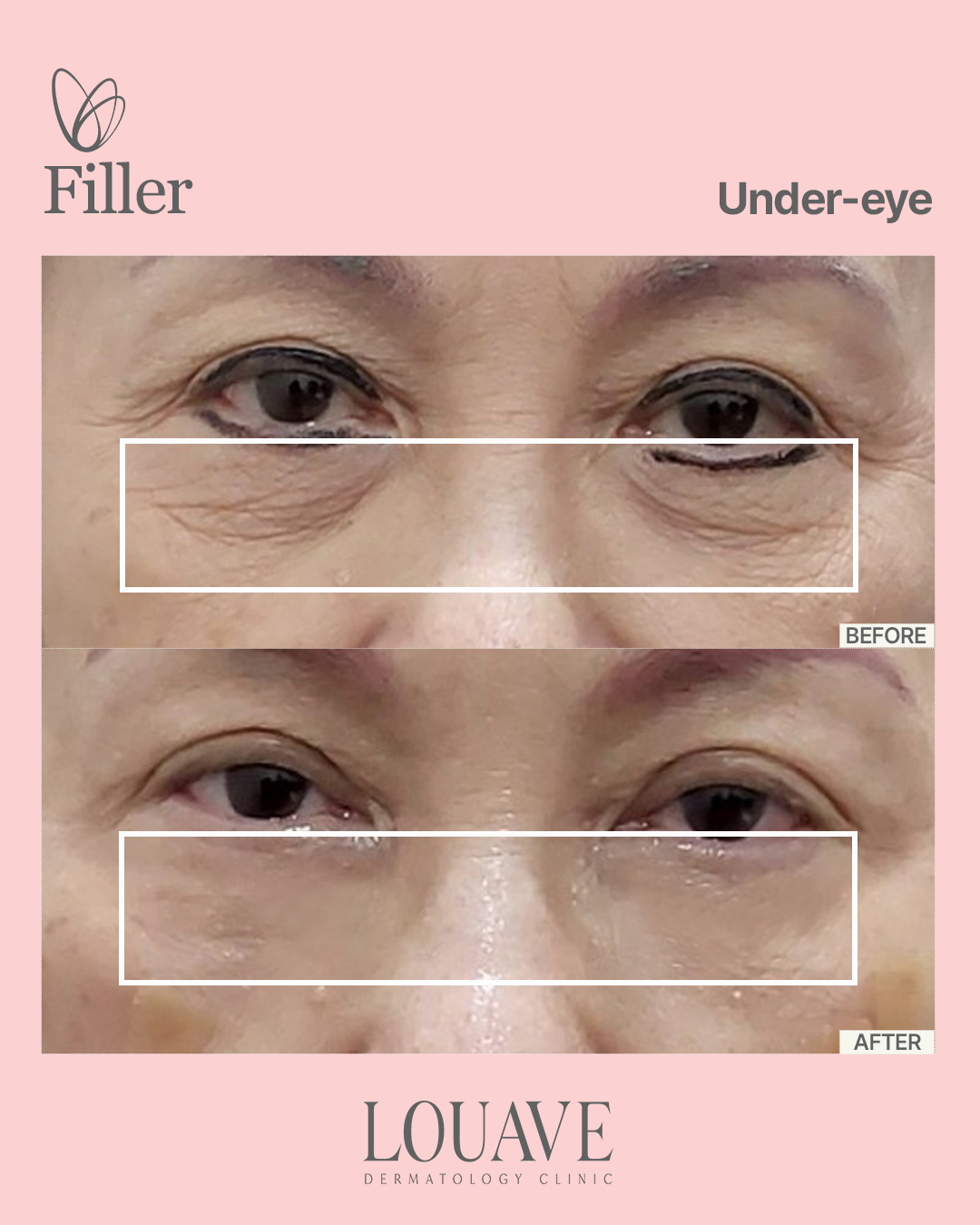
- Under-eye changes
- A tired or less-defined appearance
The dermatologist may also ask whether the patient wants preventive care, subtle rejuvenation, or more noticeable correction. Realistic expectations are important because no single procedure improves every sign of aging.
Reviewing Medical and Treatment History
Before examining the skin, the dermatologist may review factors that can influence treatment safety and results.
These may include:
- Medical conditions
- Current medication
- Allergies
- Pregnancy or breastfeeding
- Previous cosmetic procedures
- History of pigmentation changes
- Tendency to develop scars
- Cold sore history
- Recent sun exposure
- Skincare products
- Smoking and lifestyle habits
Previous fillers, wrinkle-relaxing injections, lasers, threads, surgery, or energy-based procedures should be disclosed, even when they were performed several years earlier.
Distinguishing Intrinsic Aging From Photoaging
Intrinsic aging is the gradual biological process that affects everyone. It may contribute to thinner, drier skin, fine lines, and reduced elasticity.
Photoaging is caused mainly by accumulated ultraviolet exposure and may create:
- Uneven pigmentation
- Sun spots
- Rough texture
- Deeper wrinkles
- Reduced elasticity
- Visible blood vessels
- Yellowish or thickened skin
These two processes often occur together. Chronic sun exposure is one of the most important external contributors to premature skin aging.
Evaluating Fine Lines and Wrinkles
Dermatologists examine where wrinkles appear and whether they are visible during movement, at rest, or both.
Dynamic wrinkles become noticeable when facial muscles move. Common examples include:
- Forehead lines
- Frown lines
- Crow’s feet
- Nose wrinkles
- Lines around the mouth
Static wrinkles remain visible when the face is relaxed. They may reflect repeated movement combined with collagen changes, sun damage, dryness, and reduced structural support.
This distinction matters because muscle-related lines, etched wrinkles, and rough skin texture may require different treatment approaches. The severity of facial lines is also influenced by genetics, skin phototype, and environmental exposure.
Assessing Pigmentation and Skin Tone
The dermatologist looks for changes such as:
- Freckles
- Sun spots
- Melasma
- Post-inflammatory pigmentation
- Uneven overall tone
- Areas of reduced pigmentation
- Suspicious pigmented lesions
Not every brown spot is an ordinary sign of aging. A changing, irregular, or unusual lesion may require medical evaluation before cosmetic treatment.
In selected cases, magnification, dermoscopy, specialized photography, or a Wood lamp may help evaluate pigmentation more closely. A Wood lamp can make certain pigmentary changes easier to identify during examination.
Examining Texture and Pore Appearance
Changes in skin texture may include:
- Roughness
- Dryness
- Enlarged-looking pores
- Fine surface lines
- Acne scars
- Reduced smoothness
- Areas of thickened sun-damaged skin
Pores may appear more noticeable because of oil production, loss of elasticity, acne scarring, or changes in surrounding tissue. They cannot be permanently erased, so the dermatologist evaluates why they appear enlarged before discussing treatment.
Surface examination also helps determine whether the skin barrier is healthy enough for retinoids, peels, lasers, or resurfacing procedures.
Checking Firmness and Elasticity
The skin may be observed and gently examined to assess:
- Elastic recoil
- Thickness
- Laxity
- Creasing
- Hydration
- Support over different facial areas
Loss of firmness does not always mean that the patient simply needs a tightening device. Apparent laxity may also result from facial fat loss, changes in bone support, repeated movement, or substantial weight change.
Photoaging can contribute to reduced dermal elasticity as well as wrinkles and pigmentary changes.
Evaluating Facial Volume and Contours
Facial aging affects more than the skin. Changes in fat compartments and deeper structural support may contribute to:
- Temple hollowness
- Flattened cheeks
- Under-eye shadows
- Deeper nasolabial folds
- Marionette lines
- Jowls
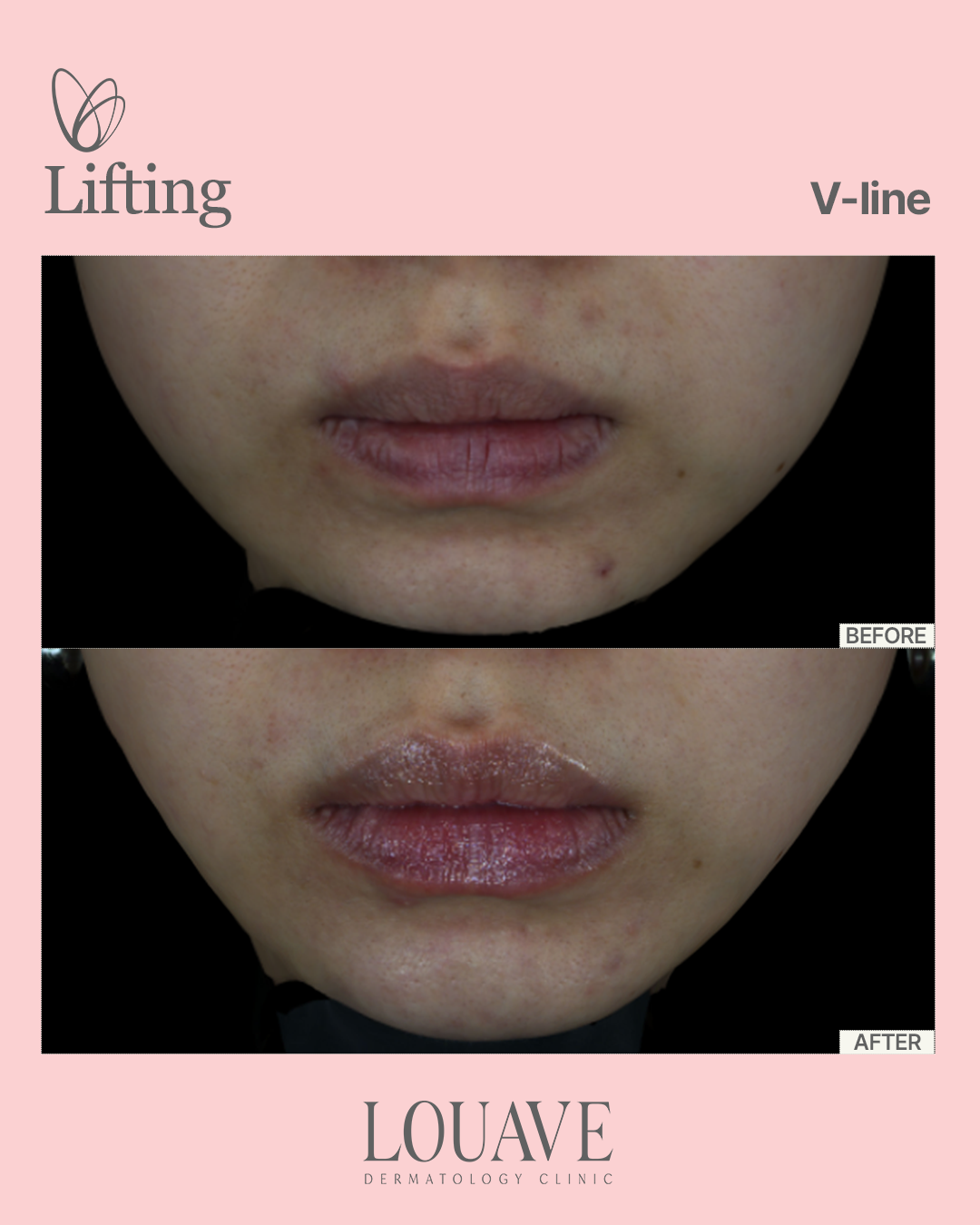
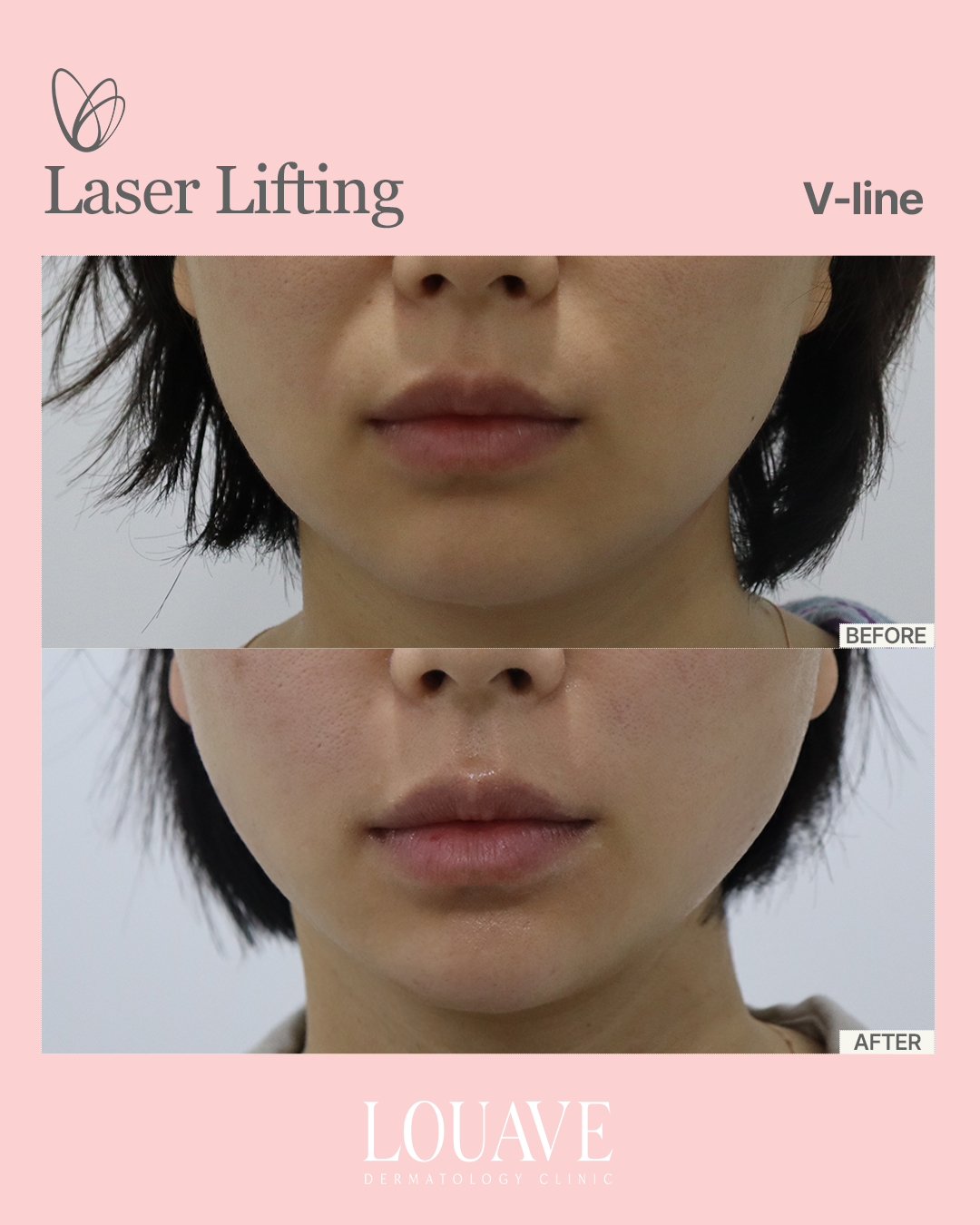
- Reduced jawline definition
Research and clinical assessments of facial aging recognize that volume loss and soft-tissue changes can deepen folds and alter facial contours.
A dermatologist should therefore determine whether a shadow or fold comes from skin texture, volume loss, tissue descent, facial anatomy, or a combination of factors.
Observing the Face at Rest and in Motion
The face is usually evaluated both while relaxed and during expressions such as smiling, frowning, raising the eyebrows, or tightening the jaw.
Movement assessment may reveal:
- Strong forehead activity
- Brow asymmetry
- Crow’s feet
- Chin dimpling
- Downward mouth movement
- Jaw muscle prominence
- Neck bands
- Differences between the two sides of the face
This step is important before wrinkle-relaxing injections because treatment should preserve useful movement and natural expression.
Considering Skin Tone and Pigmentation Risk
Skin tone can affect how aging appears and how the skin responds to procedures.
Some patients develop wrinkles earlier, while others may notice uneven pigmentation or loss of facial volume before prominent lines. Signs of aging can appear differently across skin tones and ethnic backgrounds.
The dermatologist may also consider the risk of post-inflammatory hyperpigmentation when selecting:
- Laser wavelength
- Energy level
- Treatment depth
- Number of passes
- Treatment interval
- Aftercare plan
A stronger procedure is not automatically more appropriate, particularly for pigment-sensitive skin.
Using Photographs or Imaging
Standardized clinical photographs may be taken to document the starting condition and compare changes after treatment.
Depending on the clinic, imaging may be used to examine:
- Pigmentation
- Redness
- Texture
- Wrinkle patterns
- Pore appearance
- Facial contours
- Treatment progress
Imaging can support the clinical examination, but it should not replace medical judgment. Lighting, facial expression, makeup, hydration, and camera settings can all influence how the skin appears.
Matching the Concern to the Treatment
After evaluation, the dermatologist may separate the concerns into treatment categories.
A personalized plan may include:
- Medical skincare for prevention and maintenance
- Pigment treatment for sun spots or uneven tone
- Vascular treatment for redness
- Resurfacing for texture and fine lines
- Wrinkle-relaxing injections for dynamic lines
- Fillers for selected volume loss
- Energy-based procedures for mild laxity
- Surgical consultation for more advanced tissue descent
Combination treatment is common because aging affects several facial layers. However, procedures may be staged rather than performed during one visit.
Questions to Ask During Consultation
Consider asking:
- Which signs of aging are most noticeable in my skin?
- Are my concerns caused by texture, movement, volume loss, or laxity?
- How much of the change is related to sun damage?
- Which treatment should be prioritized?
- Do I need one procedure or a staged plan?
- Which option is safest for my skin tone?
- What improvement is realistically possible?
- What downtime should I expect?
- How will progress be documented?
- What maintenance care will be needed?
Evaluate the Whole Face, Not One Wrinkle
A proper skin-aging assessment considers the surface of the skin, underlying support, facial movement, pigmentation, vascular changes, and the patient’s medical history.
This comprehensive approach helps dermatologists determine whether skincare, lasers, injectables, tightening procedures, or another form of care is appropriate.
By identifying the actual cause of each concern, treatment can be more conservative, balanced, and focused on natural-looking improvement rather than following a single anti-aging trend.