Natural-Looking Skin Rejuvenation
Natural-Looking Skin Rejuvenation
Natural-looking skin rejuvenation aims to help the face appear healthier, smoother, and more rested without making it look noticeably altered. The goal is usually not to remove every wrinkle or create perfectly uniform skin, but to improve selected signs of aging while preserving normal facial proportions and expression.
Because skin aging involves pigmentation, texture, muscle movement, volume loss, and laxity in different combinations, natural results usually depend on accurate assessment and conservative treatment rather than one standard procedure.
What Does Natural-Looking Rejuvenation Mean?
A natural result may involve:
- More even skin tone
- Smoother texture
- Softer fine lines
- Reduced facial redness
- Better hydration
- Subtle restoration of lost volume
- Preserved facial movement
- Balanced rather than exaggerated contours
The patient should still look like the same person. Friends or colleagues may notice that the face appears refreshed, but the treatment itself should not become the most obvious feature.
Identify What Is Actually Causing the Aged Appearance
Different concerns require different treatments.
A dermatologist may assess:
- Sun spots and uneven pigmentation
- Persistent redness or visible vessels
- Fine lines and rough texture
- Acne scars
- Dynamic expression lines
- Facial volume loss
- Skin laxity
- Dryness or barrier damage
- Active acne, rosacea, or dermatitis
Skin-rejuvenation methods include lasers, light-based devices, chemical peels, injectables, and other resurfacing treatments. The most appropriate method depends on the specific concern rather than the patient’s age alone.
Improve Skin Quality Before Adding Volume
A face may appear tired because of dullness, pigmentation, redness, or rough texture rather than significant volume loss.
Possible skin-quality treatments include:
- Medical skincare
- Superficial chemical peels
- Microneedling
- Pigment-targeting lasers
- Vascular lasers
- Non-ablative fractional resurfacing
- Carefully selected skin-booster treatments
Chemical peels may improve roughness, uneven tone, dullness, fine lines, and selected pigmentation concerns. Peel depth should be chosen according to the patient’s skin condition, skin tone, and available recovery time.
Improving the skin surface first may create a healthier appearance without unnecessarily changing facial contours.
Conservative Treatment of Expression Lines
Botulinum toxin may soften dynamic lines caused by repeated facial movement, particularly:
- Forehead lines
- Frown lines
- Crow’s feet
- Selected lines around the nose or mouth
Results generally last about three to four months, although individual duration varies.
Natural-looking treatment does not always mean eliminating all movement. Over-treating the forehead or eye area may create heaviness, asymmetry, or an expression that feels unfamiliar. Dose and injection placement should reflect the patient’s muscle strength, eyebrow position, and desired amount of movement.
Restore Volume Without Changing Identity
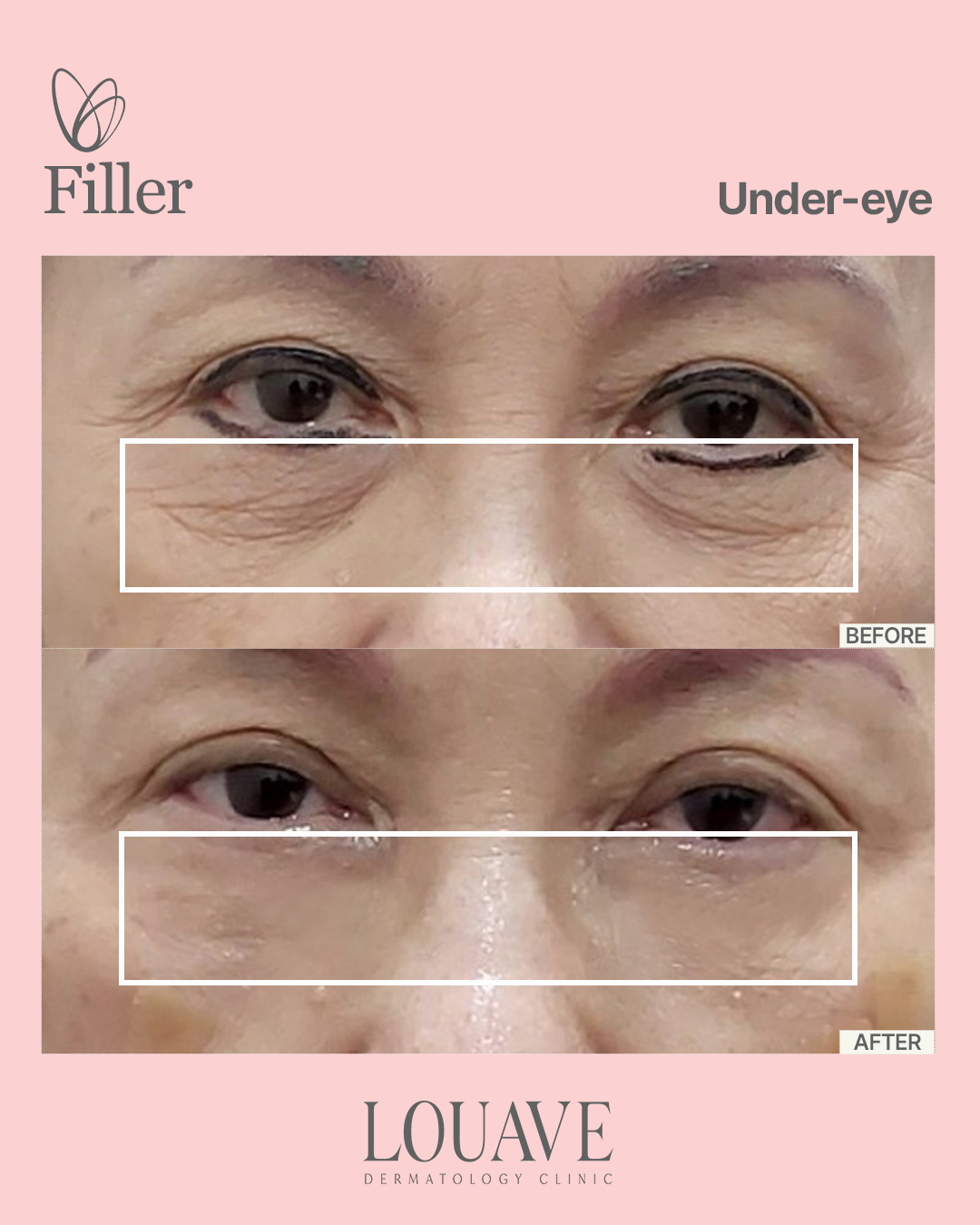
Dermal fillers may be used when facial shadows or folds are caused by structural volume loss.
Possible treatment areas include:
- Temples
- Cheeks
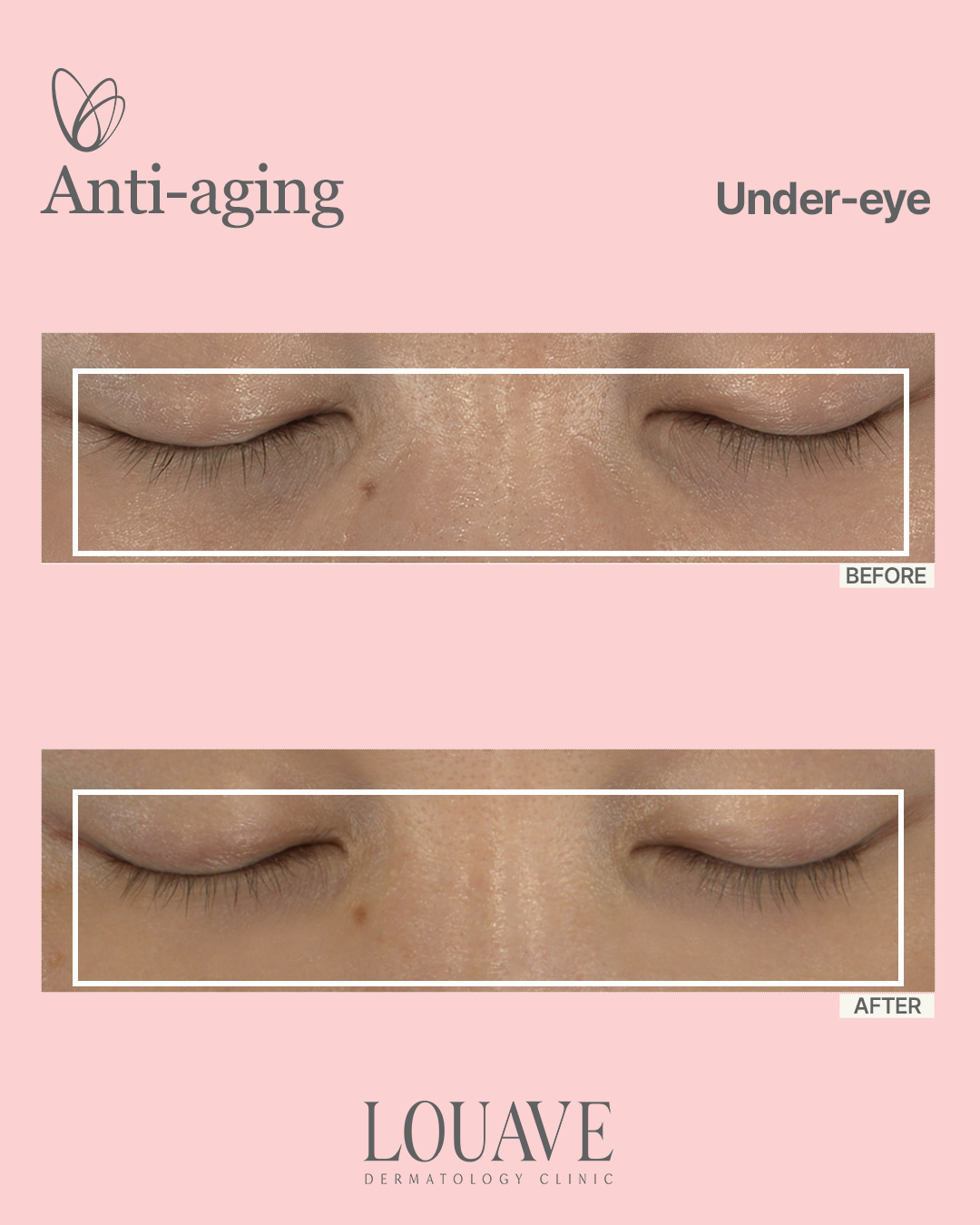
- Under-eye hollows
- Lips
- Chin
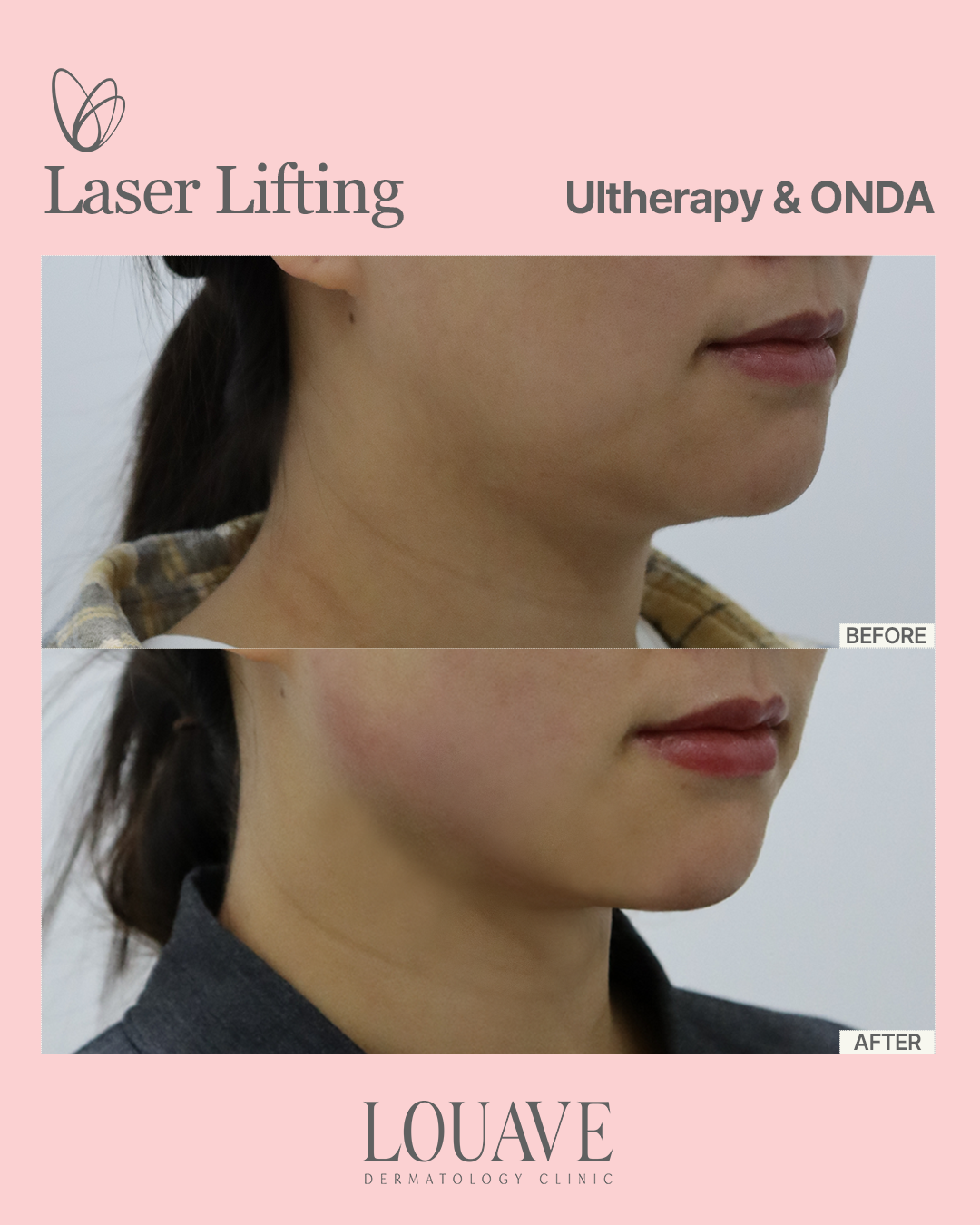
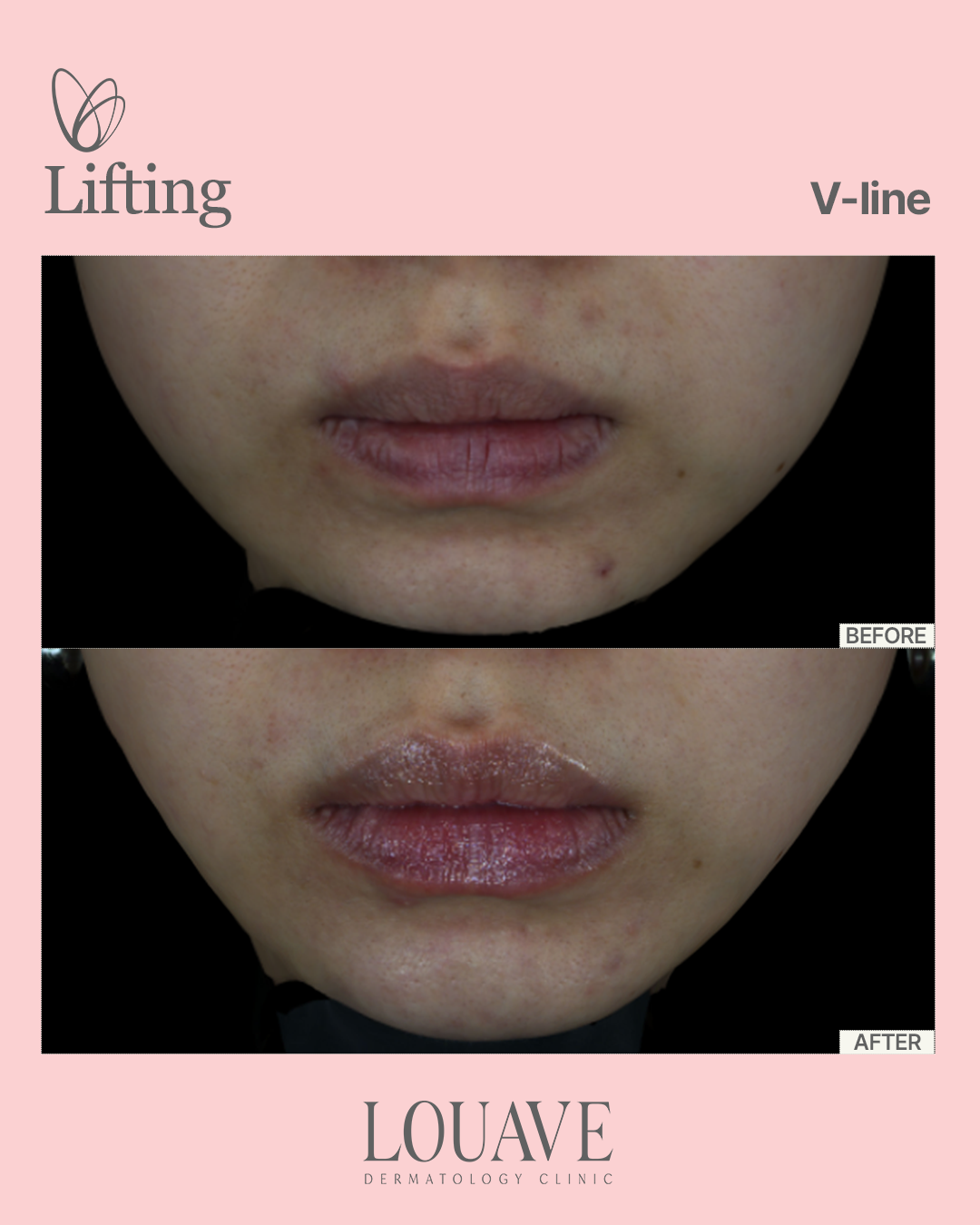
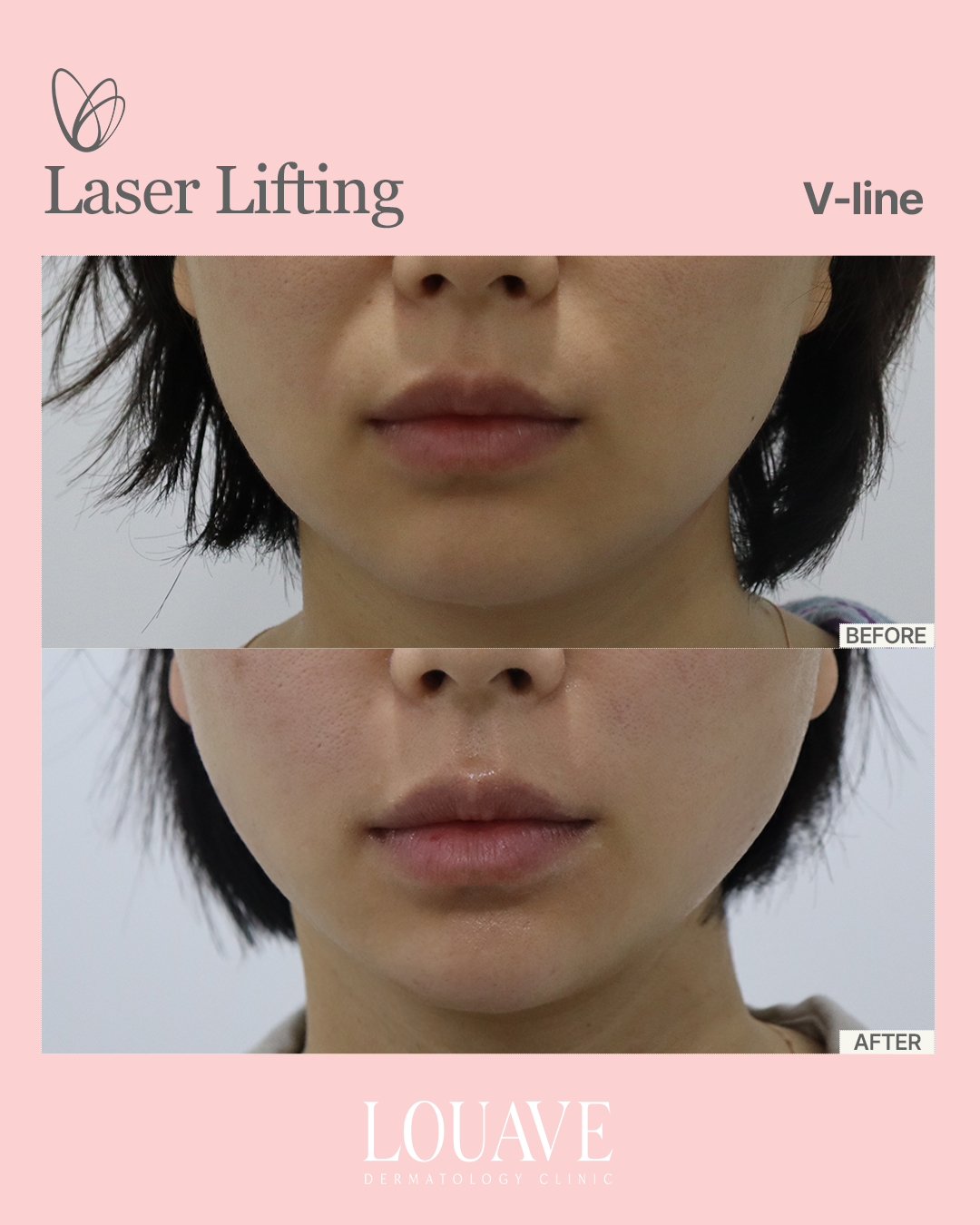
- Jawline
- Deeper facial creases
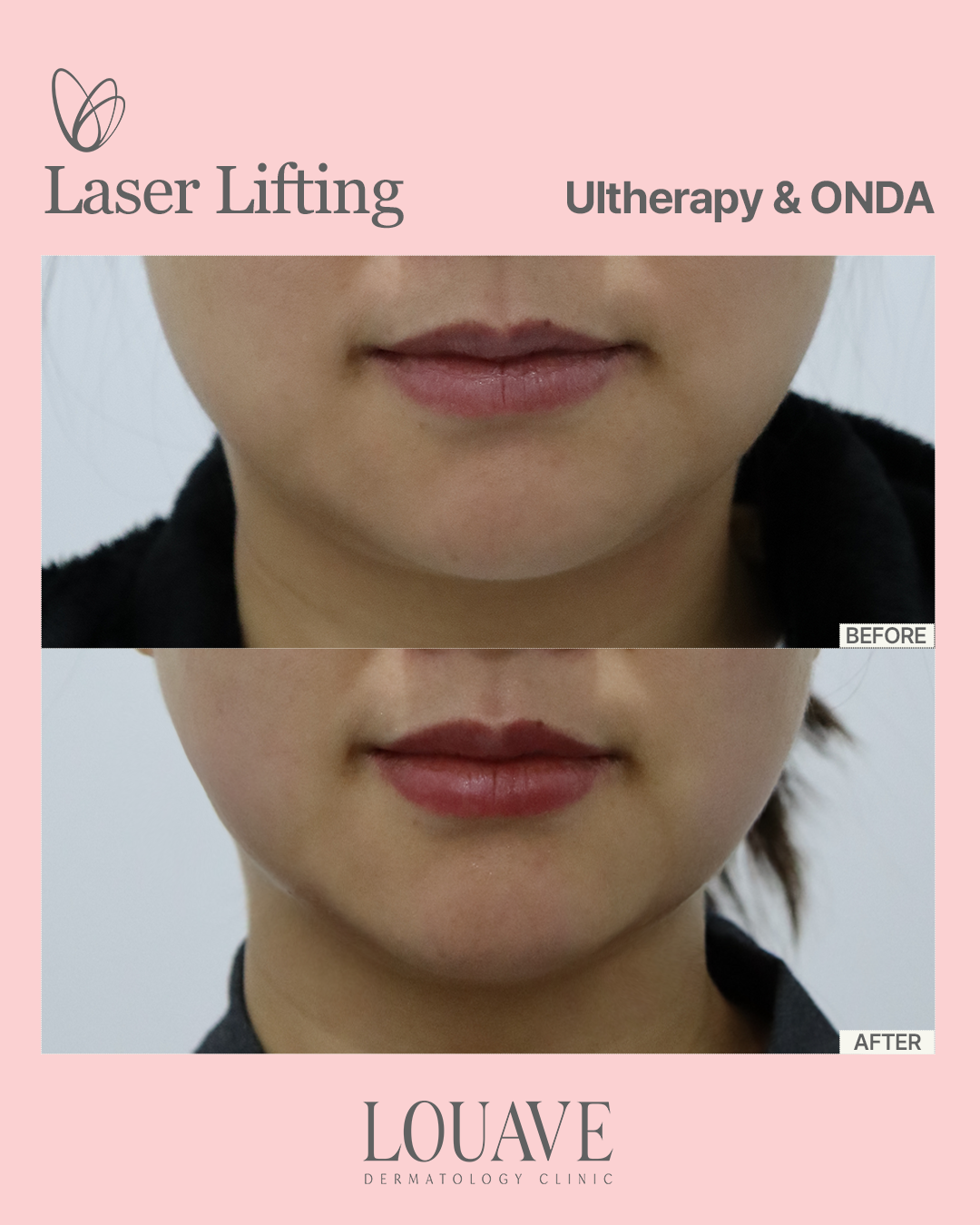
Fillers can restore fullness, soften selected creases, improve shallow contours, and reduce the appearance of some scars. They cannot replace surgical lifting when significant sagging is present.
A natural approach generally focuses on restoring support rather than enlarging every facial feature. Small amounts placed strategically may be more appropriate than treating multiple areas during one appointment.
Microneedling and Collagen-Focused Treatments
Microneedling creates controlled microscopic injuries that stimulate a healing and collagen response. It may be used for:
- Fine lines
- Uneven texture
- Enlarged-looking pores
- Acne scars
- Mild laxity
- Selected pigmentation concerns
Microneedling is minimally invasive and may be used across different skin tones when performed appropriately. Results develop gradually because collagen remodeling takes time, and several sessions may be needed.
Collagen-focused treatments usually produce subtler changes than structural fillers, making them suitable for patients who prioritize gradual improvement.
Laser Resurfacing for Texture and Fine Lines
Laser resurfacing may improve:
- Fine wrinkles
- Sun-damaged texture
- Acne scars
- Uneven pigmentation
- Selected benign skin irregularities
Non-ablative fractional lasers generally involve less surface injury and shorter recovery but may require multiple sessions. Ablative lasers such as fractional CO2 or Er:YAG can produce stronger resurfacing effects but involve greater redness, swelling, peeling, and pigmentation risk.
The strongest available treatment is not automatically the best choice. A conservative setting that matches the skin tone and treatment goal may produce a more predictable result with less unnecessary downtime.
Why Combination Treatment Can Look More Natural
One heavily performed procedure may create imbalance when several smaller concerns are contributing to the overall appearance.
A staged plan might include:
- Skincare and sunscreen for maintenance
- Pigment treatment for brown spots
- Vascular treatment for redness
- Conservative botulinum toxin for expression lines
- Limited filler for structural volume loss
- Microneedling or fractional laser for texture
The AAD notes that treatment plans may combine fillers with procedures such as laser therapy or botulinum toxin treatment.
Spacing procedures also allows the doctor and patient to evaluate each result before deciding whether additional treatment is truly necessary.
Avoiding an Over-Treated Appearance
An unnatural result may develop when treatment:
- Adds excessive facial volume
- Eliminates too much expression
- Repeatedly treats an area before swelling settles
- Follows trends rather than anatomy
- Uses identical injection plans for every patient
- Attempts to correct skin laxity with excessive filler
- Combines too many procedures during one visit
- Ignores existing facial asymmetry
Before treatment, patients should explain which features they want to preserve as well as which concerns they want to improve.
Older photographs may help the doctor understand the patient’s natural facial proportions before volume loss or other age-related changes developed.
Healthy Skin Conditions Should Be Treated First
Cosmetic rejuvenation may need to be delayed when the patient has:
- Active acne
- Rosacea flare
- Contact dermatitis
- Skin infection
- Open wounds
- Severe dryness or peeling
- Recent sunburn
- Unexplained facial swelling
Treating inflamed or damaged skin with resurfacing, peels, or injections can increase irritation and complicate recovery. Stabilizing the underlying condition first usually provides a safer foundation for cosmetic treatment.
Downtime Should Match the Patient’s Schedule
Recovery depends on the procedure.
Possible temporary reactions include:
- Redness
- Swelling
- Bruising
- Dryness
- Peeling
- Small crusts
- Injection marks
- Temporary unevenness
- Darkening of treated pigment
Fillers often allow a relatively quick return to daily activities, although swelling or bruising may remain visible. More intensive resurfacing treatments require longer healing.
Patients should allow enough time for swelling to settle before important photographs, weddings, meetings, or international travel.
Planning Treatment During Your Stay
International patients seeking natural-looking skin rejuvenation should tell the clinic about:
- Length of stay
- Departure date
- Important events
- Current skincare products
- Previous fillers or botulinum toxin
- History of melasma or pigmentation
- Previous laser reactions
- Active skin conditions
- Desired degree of change
- Available follow-up after returning home
A short visit may be suitable for consultation and conservative treatment. More intensive resurfacing or a multi-stage rejuvenation plan may require several appointments and continued care after departure.
Questions to Ask During Consultation
Consider asking:
- Which concern is making me look tired or aged?
- Is the problem mainly skin quality, volume loss, or laxity?
- Which features should remain untreated?
- Can the result be achieved gradually?
- How much facial movement will remain?
- Do I need filler, or would skin treatment be more appropriate?
- What improvement is realistic from one session?
- What downtime and risks should I expect?
- How will the treatment suit my skin tone?
- When should the result be reassessed?
Subtle Improvement Requires Careful Planning
Natural-looking skin rejuvenation is not defined by the number of procedures performed. It depends on selecting treatments that match the actual cause of each concern and using them conservatively.
Some patients benefit most from better skincare and pigment treatment. Others may need limited muscle relaxation, collagen stimulation, resurfacing, or subtle volume restoration.
A personalized, staged approach can improve skin quality and facial balance while preserving expression, proportions, and the features that make the patient recognizable.