Medical-Grade Skin Treatments in Korea
Medical-Grade Skin Treatments in Korea
“Medical-grade skin treatments” generally refers to dermatologist-directed care that may include prescription medication, chemical peels, lasers, energy-based devices, microneedling, and injectable procedures.
The term itself does not describe one specific treatment or guarantee better results. A suitable plan should begin with a medical evaluation of the patient’s skin condition, treatment goals, skin tone, previous procedures, and risk of complications. Dermatologists can determine which cosmetic treatments are likely to produce realistic and safe improvements.
Medical Treatment vs Beauty Care
Medical dermatology treatments differ from ordinary facials because they may:
- Diagnose and treat a skin disorder
- Use prescription medication
- Create controlled injury within the skin
- Deliver laser or radiofrequency energy
- Penetrate the skin with needles
- Inject medication or implantable material
- Require medical monitoring and aftercare
A facial may temporarily improve surface hydration or remove superficial buildup. It generally cannot replace appropriate treatment for acne, rosacea, melasma, dermatitis, scarring, or progressive hair loss.
The more invasive the procedure, the more important it becomes to confirm the practitioner’s qualifications, the exact product or device being used, and the clinic’s complication-management process.
Prescription Dermatology Treatments
Prescription treatment may be more appropriate than a cosmetic procedure when the main concern is:
- Active acne
- Rosacea
- Contact dermatitis
- Atopic dermatitis
- Psoriasis
- Fungal infection
- Chronic hives
- Melasma
- Inflammatory pigmentation
- Scalp or hair disease
Possible treatments include topical retinoids, anti-inflammatory medication, antimicrobial treatment, pigment-control medication, or oral medication selected for the diagnosis.
Acne treatment, for example, may involve several medications targeting clogged pores, bacteria, inflammation, and future scarring. Visible improvement normally requires consistent treatment rather than changing products every few days.
Treating an active condition first may also reduce the risk of irritation or pigmentation after lasers and peels.
Chemical Peels
Chemical peels apply a controlled chemical solution to remove selected layers of damaged skin.
They may be considered for:
- Dull or rough texture
- Mild acne
- Post-acne marks
- Selected pigmentation
- Fine surface lines
- Uneven skin tone
Peels range from superficial treatments with relatively short recovery to deeper procedures requiring more extensive healing. The strength should be selected according to the diagnosis, skin tone, treatment area, and available downtime.
Asian and other pigmentation-prone skin types can undergo chemical peels, but inappropriate peel selection may cause prolonged discoloration. Experience treating the patient’s skin tone is therefore important.
Laser and Light-Based Treatments
Different devices target different structures within the skin.
Possible categories include:
- Pigment lasers for freckles and selected brown spots
- Vascular lasers for redness and visible vessels
- Fractional lasers for texture and acne scars
- Ablative lasers for stronger resurfacing
- Intense pulsed light for selected pigment and vascular concerns
- Laser hair removal
- Devices used for tattoo treatment
A popular device is not automatically suitable for every patient. The diagnosis, wavelength, energy, pulse duration, treatment density, cooling method, and operator technique all affect the result.
Patients with melasma, recent tanning, active inflammation, or a history of post-inflammatory hyperpigmentation may need conservative settings or a different treatment approach. Chemical peels, lasers, and prescription care may also be combined carefully when pigmentation is difficult to treat.
Microneedling and Energy-Based Needling
Microneedling creates controlled microscopic channels that stimulate a healing response.
It may be used for:
- Acne scars
- Uneven texture
- Fine lines
- Enlarged-looking pores
- Selected stretch marks
- Mild skin laxity
Radiofrequency microneedling adds heat within the deeper skin and may be considered when texture, scars, or mild laxity are present.
Possible temporary reactions include:
- Redness
- Swelling
- Pinpoint bleeding
- Dryness
- Small crusts
- Increased sensitivity
- Temporary pigmentation changes
Results usually develop gradually and may require several sessions. Patients with active acne infection, dermatitis, abnormal scarring tendencies, or certain medical conditions may not be appropriate candidates.
Botulinum Toxin and Dermal Fillers
Botulinum toxin temporarily reduces selected muscle movement. It is commonly used for expression lines and may also be used medically for conditions such as excessive sweating. Cosmetic results commonly last approximately three to four months, although individual duration varies.
Dermal fillers primarily restore volume or support facial contours. They may be used for:
- Cheek or temple hollowness
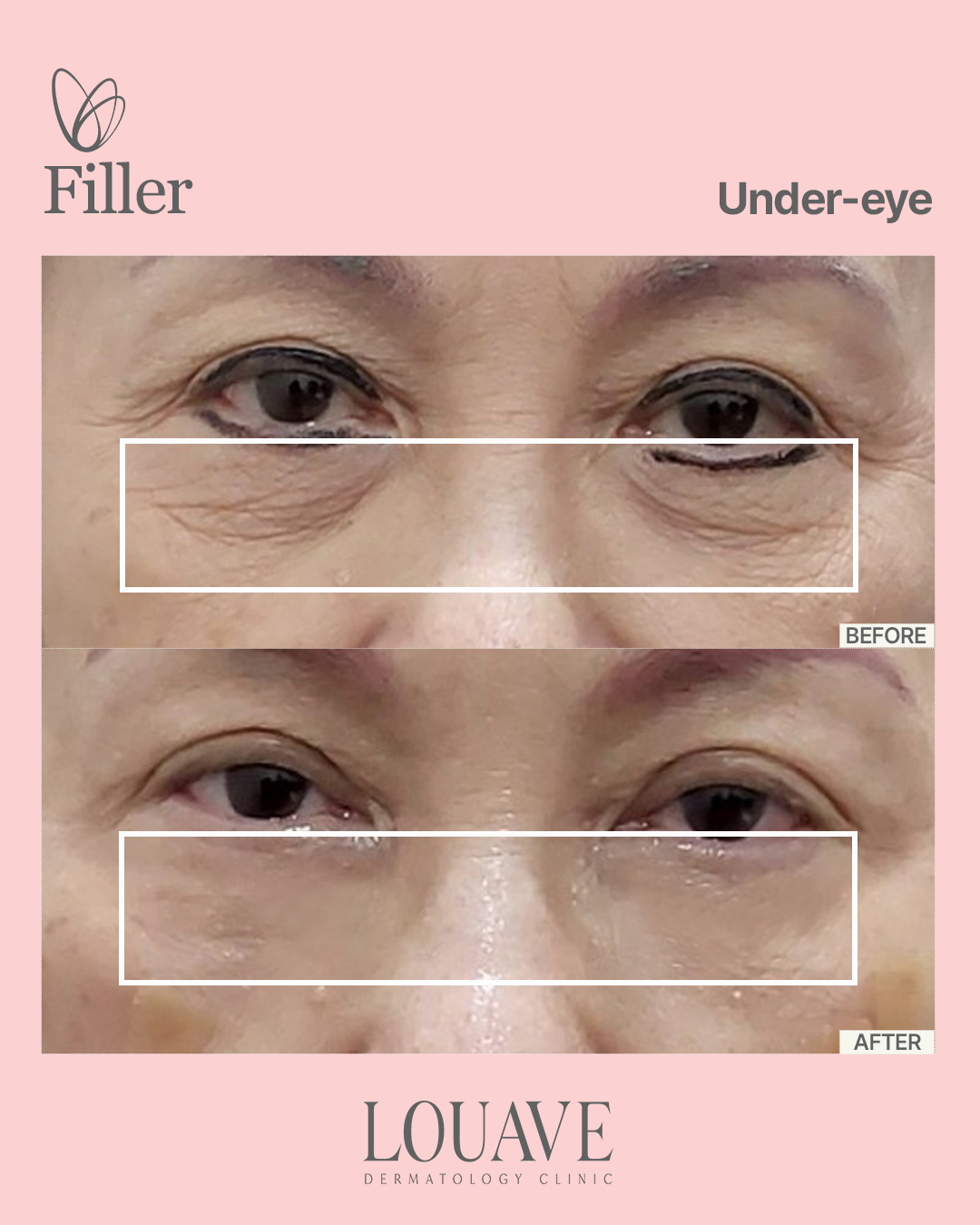
- Under-eye hollows in selected patients
- Lips
- Chin or jawline contour
- Deeper folds
- Selected scars
Fillers are medical implants rather than ordinary skincare. Common reactions include swelling, bruising, tenderness, and temporary lumps. Rare vascular complications can cause skin injury, visual impairment, blindness, or other serious outcomes.
Patients should ask about the exact product, treatment area, injection depth, expected longevity, and emergency protocol.
Skin Boosters and Hydration Injections
Some Korean clinics offer injectable treatments marketed as skin boosters, collagen stimulators, or hydration injections.
Depending on the product, the goal may be to improve:
- Hydration
- Fine texture
- Elasticity
- Crepey skin
- Subtle skin quality
- Light reflection
These treatments should not be confused with fillers intended to create structural volume. Product ingredients, regulatory classification, injection depth, evidence, and expected duration vary.
Patients should confirm:
- Exact product and manufacturer
- Active ingredients
- Whether the product is authorized for the planned use
- Number of recommended sessions
- Expected improvement
- Common and serious complications
- Whether the treatment can be reversed
Products and medical devices distributed in Korea are subject to applicable Ministry of Food and Drug Safety authorization and regulatory processes. Patients can ask the clinic to identify the product or device rather than relying only on a package name.
Combination Treatment Should Be Staged
Many patients have several concerns at once, such as acne, redness, pigmentation, scars, fine lines, and volume loss.
A staged plan may include:
- Medical treatment for active disease
- Daily sunscreen and barrier care
- Pigment or vascular laser
- Microneedling or fractional resurfacing
- Conservative botulinum toxin
- Limited filler or skin-booster treatment
- Maintenance appointments
Performing every available treatment during one visit may increase swelling, irritation, and difficulty identifying the cause of a complication.
A conservative plan allows the skin to recover and helps the dermatologist evaluate whether additional treatment is actually necessary.
Avoid Choosing Treatment by Package Name
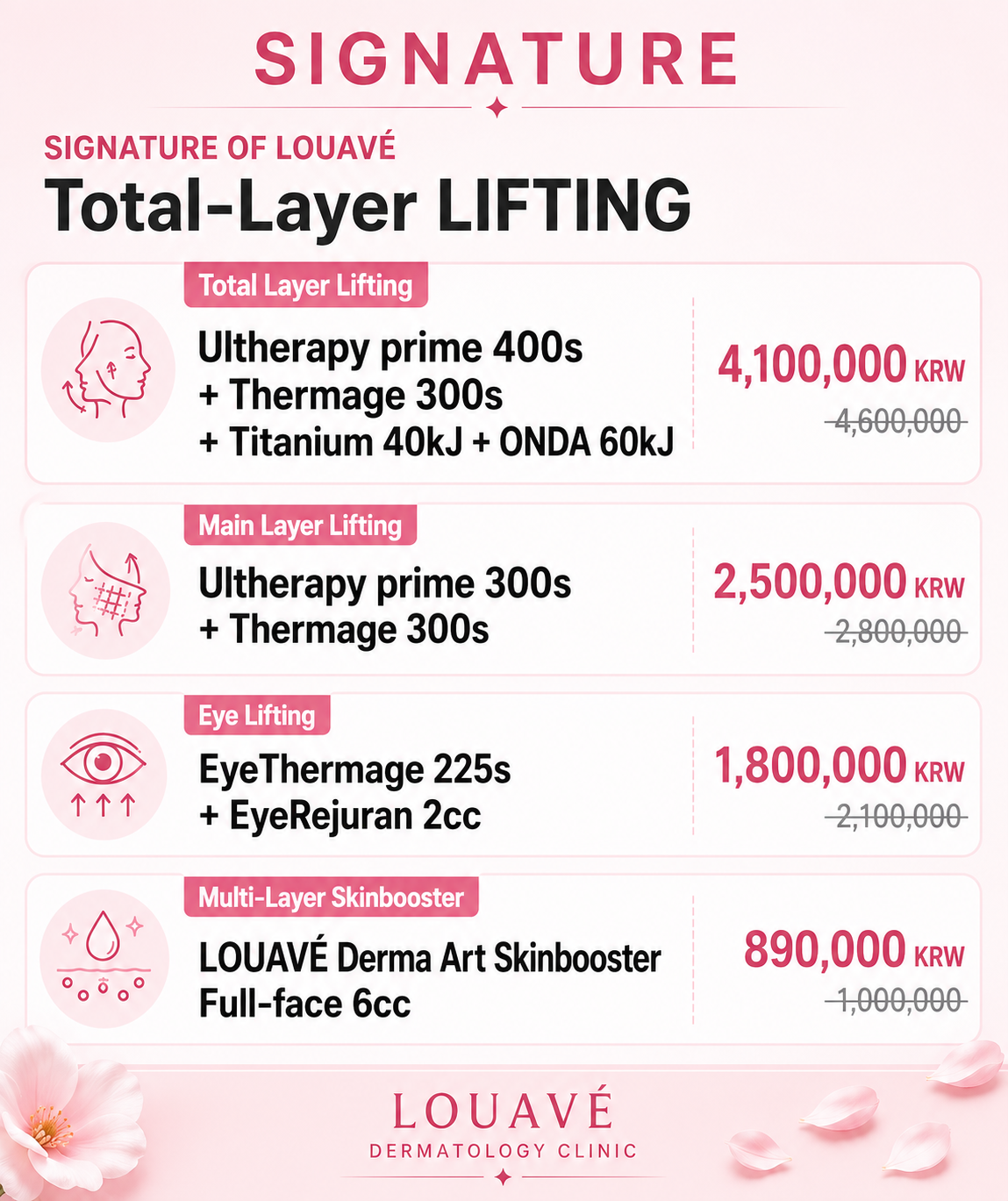
Popular Korean treatment packages may combine several procedures under names such as glass skin, lifting, pore care, whitening, or anti-aging.
Before purchasing a package, ask:
- What condition is being treated?
- What is the exact device or product?
- Who performs each procedure?
- Are prescription treatments included?
- Is the treatment suitable for my skin tone?
- What improvement is realistic?
- What downtime should I expect?
- How are burns, infection, pigmentation, or injection complications managed?
A lower price does not necessarily mean poor treatment, and a premium package does not guarantee medical necessity. The diagnosis, treatment settings, practitioner’s skill, and aftercare are more meaningful than the package title.
Planning Treatment During Your Stay in Korea
International patients should tell the clinic about:
- Length of stay
- Departure date
- Important events
- Current skincare and medication
- Previous laser or injection treatments
- History of melasma or pigmentation
- Allergies
- Active acne, rosacea, or dermatitis
- Tendency to develop raised scars
- Follow-up options after returning home
Patients should also ask when redness, swelling, peeling, bruising, or crusting is expected to improve.
Stronger procedures may require:
- Several treatment sessions
- Wound care
- Medication
- Review appointments
- Stitch removal
- Avoidance of sunlight or exercise
- Follow-up after returning home
A treatment requiring ongoing monitoring may not be appropriate during a very short trip.
Choose Medical Care Based on Diagnosis
Medical-grade skin treatment should mean more than using an expensive product or advanced machine.
The most important steps are identifying the actual skin concern, selecting a treatment supported by an appropriate medical rationale, and adjusting the procedure to the patient’s skin tone, anatomy, health history, and recovery schedule.
For patients considering skin treatments in Korea, a diagnosis-based and staged plan can provide safer, more natural improvement than selecting multiple procedures based only on popularity, price, or marketing terminology.