Personalized Anti-Aging Plans in Seoul
Personalized Anti-Aging Plans in Seoul
Anti-aging treatment should not begin by choosing a popular device or copying another patient’s procedure. Skin aging develops differently according to genetics, sun exposure, facial structure, skin tone, lifestyle, and previous cosmetic treatments.
A personalized plan identifies which changes are most important, selects treatments that address their actual causes, and considers the patient’s preferred result, recovery schedule, and long-term maintenance needs.
Why the Same Treatment Does Not Suit Everyone
Visible aging can involve several different changes at the same time.
Common concerns include:
- Fine lines and wrinkles
- Uneven pigmentation
- Sun spots
- Rough skin texture
- Enlarged-looking pores
- Persistent redness
- Loss of elasticity
- Facial volume loss
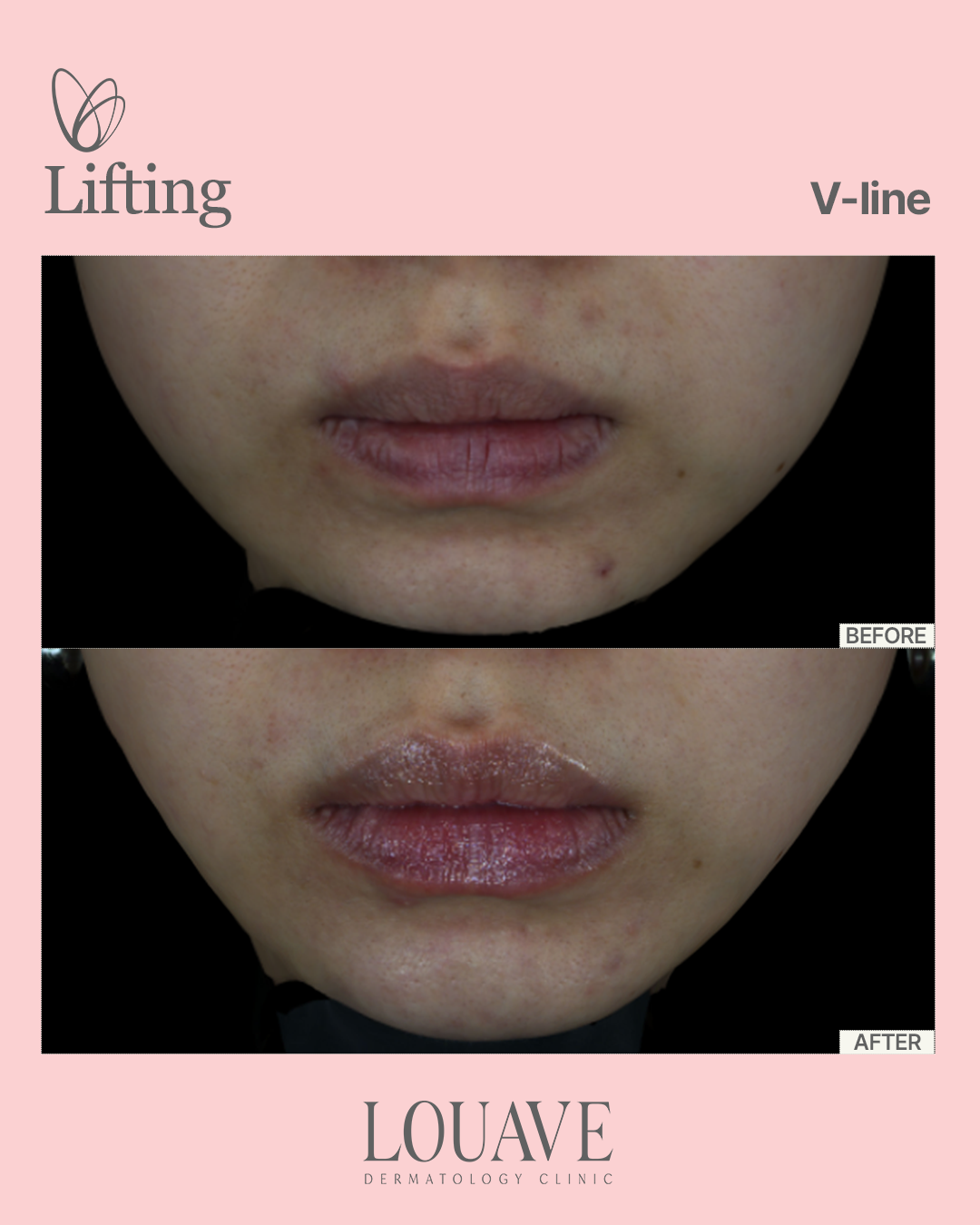
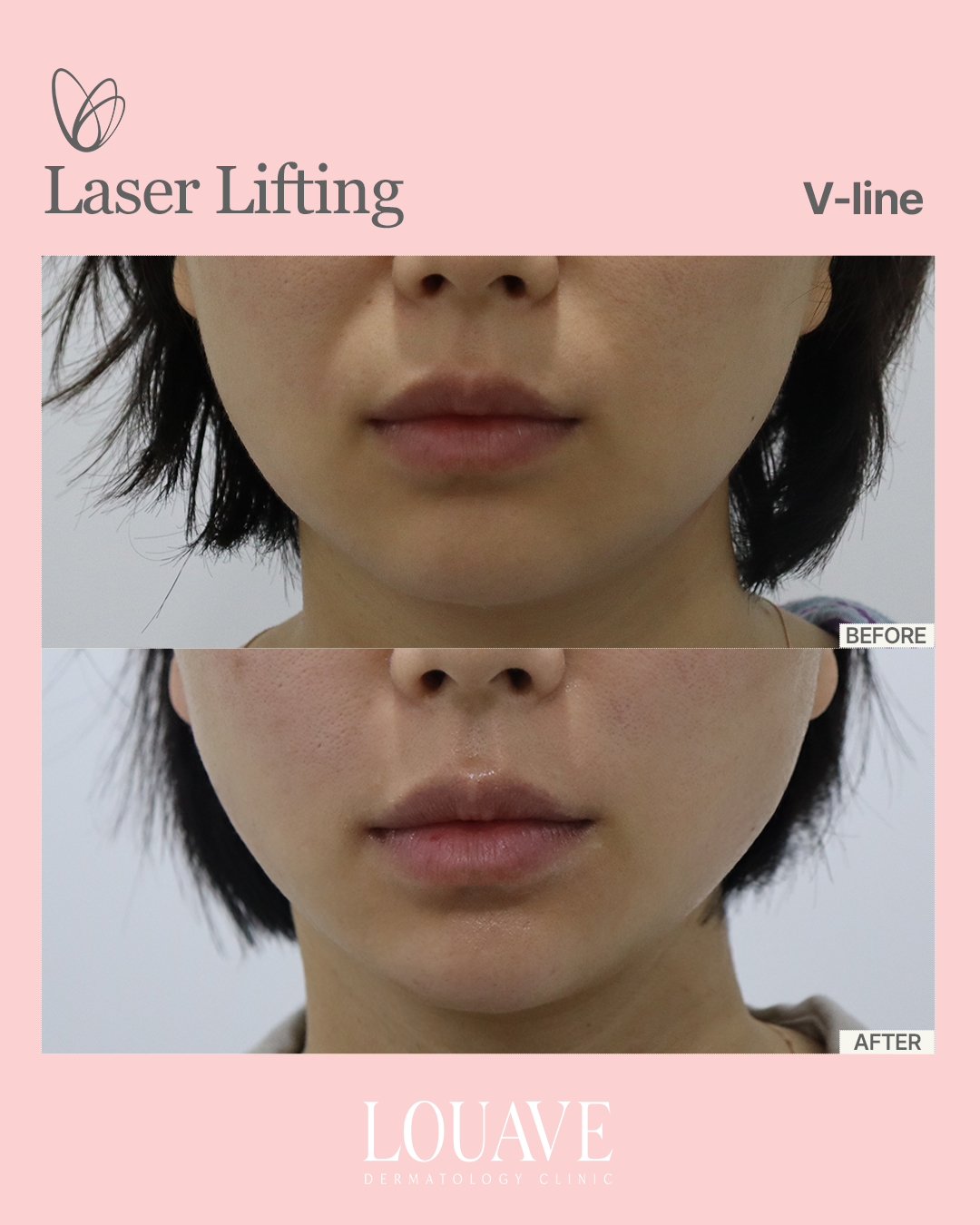
- Sagging around the jawline
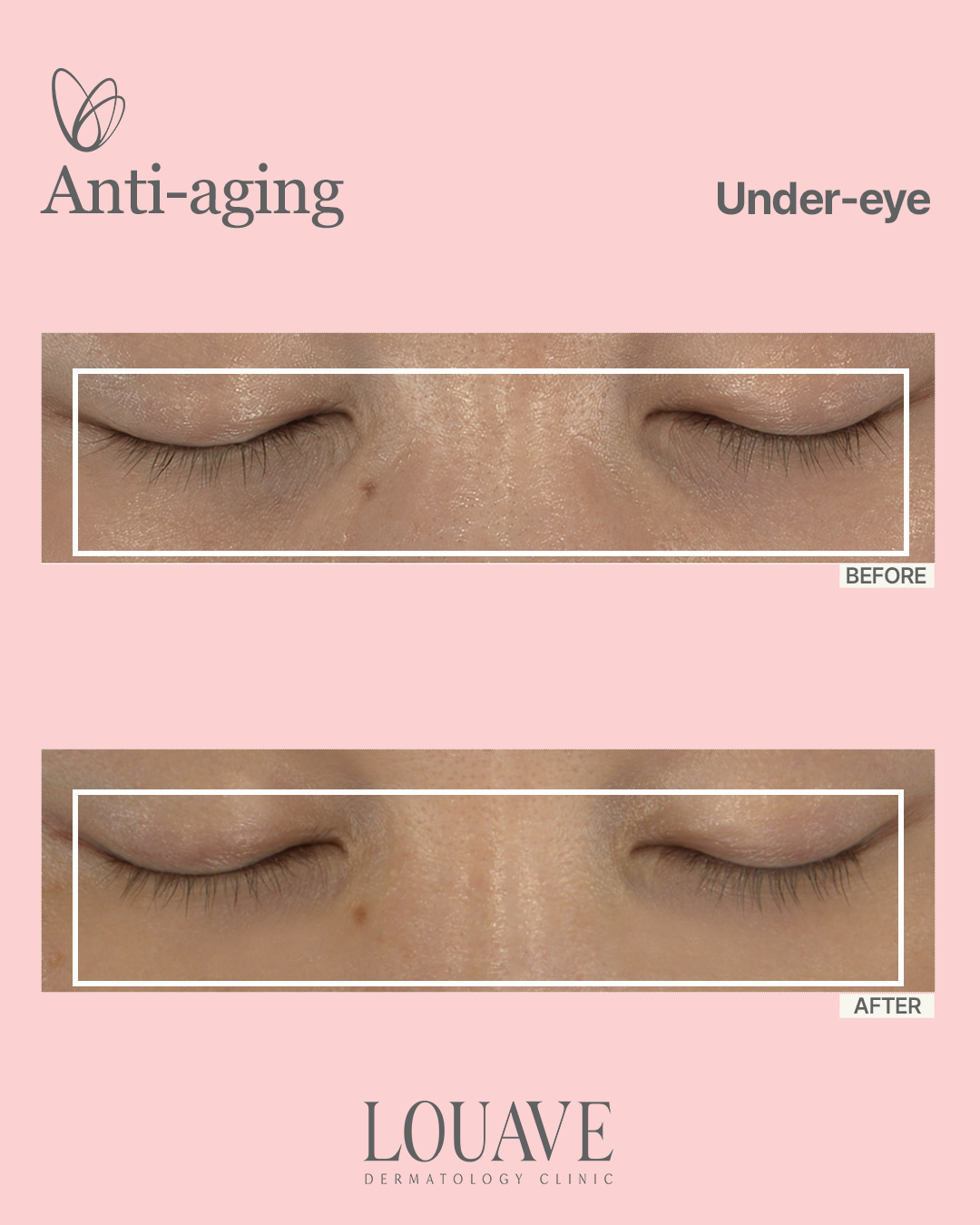
- Under-eye hollowness
- Dry or sensitive skin
A patient concerned about facial lines may primarily have strong muscle movement, while another may have sun damage, reduced collagen support, or volume loss. These concerns may look similar but require different treatment approaches. Dermatologists may use botulinum toxin, fillers, lasers, and other procedures according to the type and cause of the visible change.
Starting With a Medical and Aesthetic Evaluation
Before recommending treatment, the dermatologist may review:
- Medical conditions
- Current medications and supplements
- Allergies
- Pregnancy or breastfeeding
- Previous laser treatments
- Previous fillers or wrinkle-relaxing injections
- History of pigmentation changes
- Tendency to scar
- Recent sun exposure
- Current skincare products
- Available recovery time
The face should also be examined at rest and during movement. This helps identify the contribution of skin texture, facial muscles, volume, and deeper structural changes.
Cosmetic procedures require medical knowledge of the skin and facial anatomy, even when they appear simple or involve little downtime.
Defining Realistic Treatment Goals
Patients may use the term “anti-aging” to describe very different goals.
Some want to:
- Improve general skin quality
- Reduce visible sun damage
- Soften expression lines
- Restore selected areas of volume
- Improve mild laxity
- Look less tired
- Maintain their current appearance
- Achieve subtle rejuvenation without obvious changes
The consultation should clarify which concerns matter most and how noticeable the patient wants the result to be.
A personalized plan should not promise to stop aging or permanently remove every line. The goal is usually to create balanced improvement while preserving individual features and natural expression.
Treating Pigmentation and Sun Damage
Uneven pigmentation, freckles, sun spots, and rough texture may be related to accumulated ultraviolet exposure.
Possible treatment options include:
- Medical skincare
- Retinoids when appropriate
- Pigment-targeting lasers
- Intense pulsed light
- Chemical peels
- Fractional resurfacing
- Daily sun protection
Pigmentation should be accurately diagnosed before laser treatment. Melasma, sun spots, post-inflammatory pigmentation, and suspicious pigmented lesions should not automatically receive the same procedure.
Natural aging affects all skin, while extrinsic aging from ultraviolet exposure, smoking, and pollutants can accelerate wrinkles, pigmentation, and textural changes.
Improving Texture and Fine Lines
Patients with rough texture, fine lines, acne scars, or enlarged-looking pores may be considered for resurfacing or collagen-remodeling procedures.
Possible options include:
- Non-ablative laser treatment
- Fractional laser resurfacing
- Microneedling
- Radiofrequency microneedling
- Selected chemical peels
- Medical skincare
Ablative resurfacing generally produces a stronger tissue response but requires more recovery. Non-ablative treatment usually has a faster recovery and a favorable safety profile, although several sessions may be needed.
Treatment intensity should be adjusted according to skin tone, pigmentation risk, sensitivity, scar history, and available downtime.
Softening Dynamic Wrinkles
Dynamic wrinkles appear mainly when facial muscles move.
They commonly affect:
- Forehead
- Between the eyebrows
- Around the eyes
- Nose
- Chin
- Selected areas around the mouth or neck
Wrinkle-relaxing injections may temporarily reduce excessive movement in targeted muscles. They are especially useful for expression-related lines rather than pigmentation, volume loss, or rough texture.
Treatment should be individualized according to facial anatomy, muscle strength, eyebrow position, asymmetry, and desired movement. Excessive treatment may create stiffness or alter facial balance.
Restoring Selected Areas of Volume
Facial aging may involve changes in fat distribution and structural support, producing hollowness, shadows, folds, or reduced contour definition.
Fillers may be considered for selected areas such as:
- Temples
- Cheeks
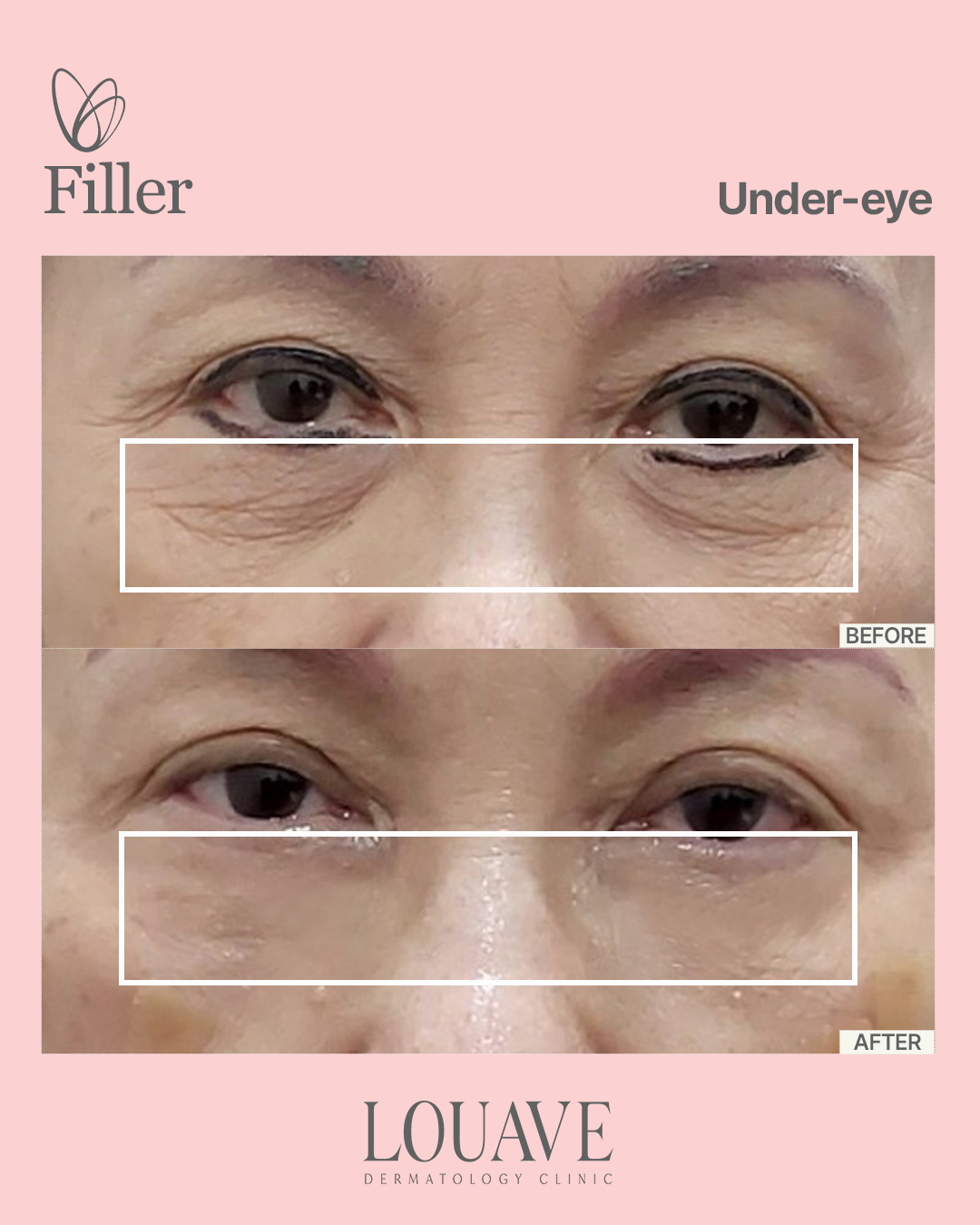
- Under-eye area
- Nasolabial folds
- Lips
- Chin
- Jawline
Fillers can restore fullness and soften selected lines, but they should not be used to add volume indiscriminately throughout the face. A conservative plan should consider facial proportions, existing tissue, product characteristics, and the patient’s previous treatments.
Because filler injection is a medical procedure, patients should understand possible complications and confirm that the clinic is prepared to recognize and manage them.
Addressing Skin Laxity
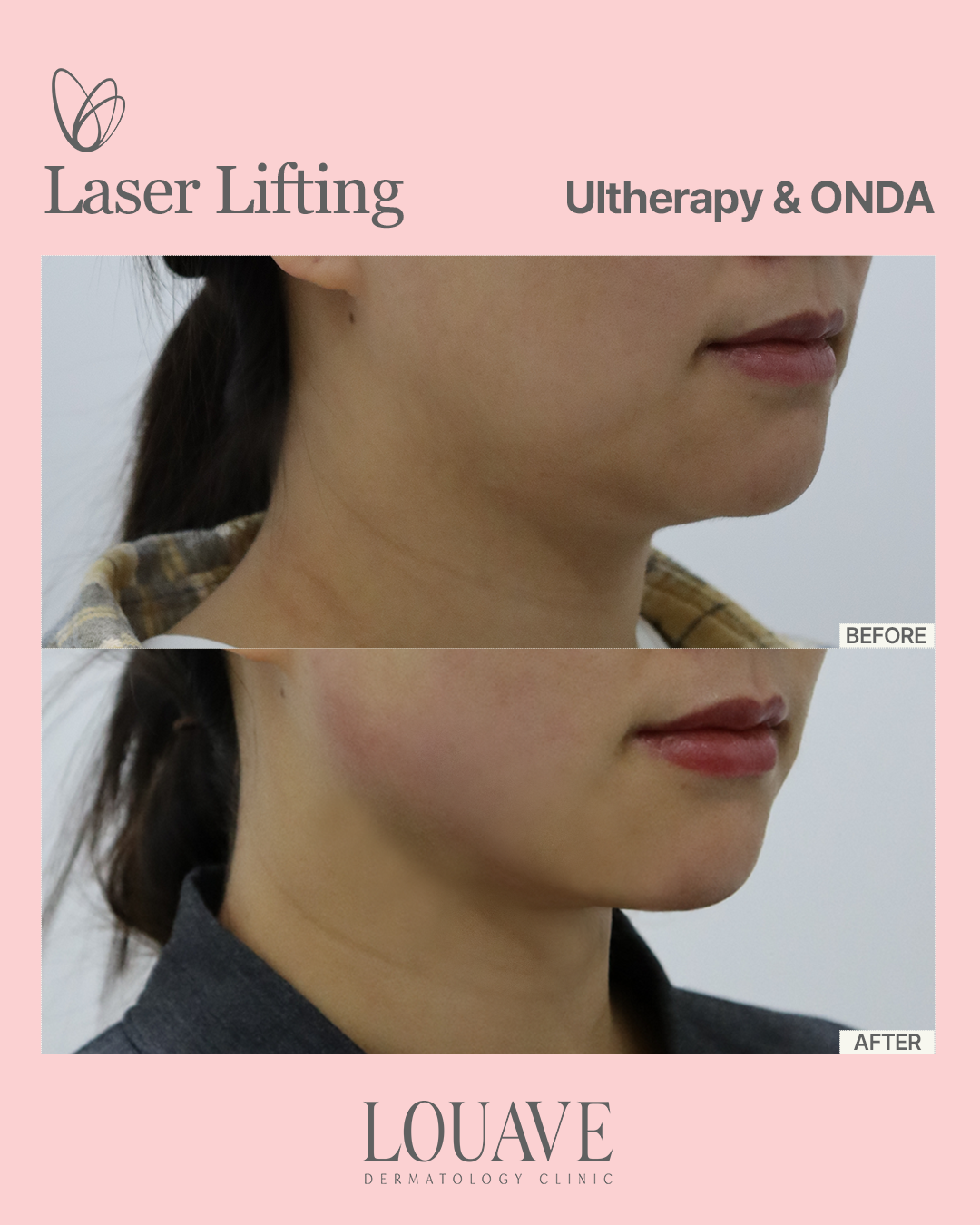
Mild to moderate laxity may be treated with energy-based or resurfacing procedures.
Possible options include:
- Radiofrequency treatment
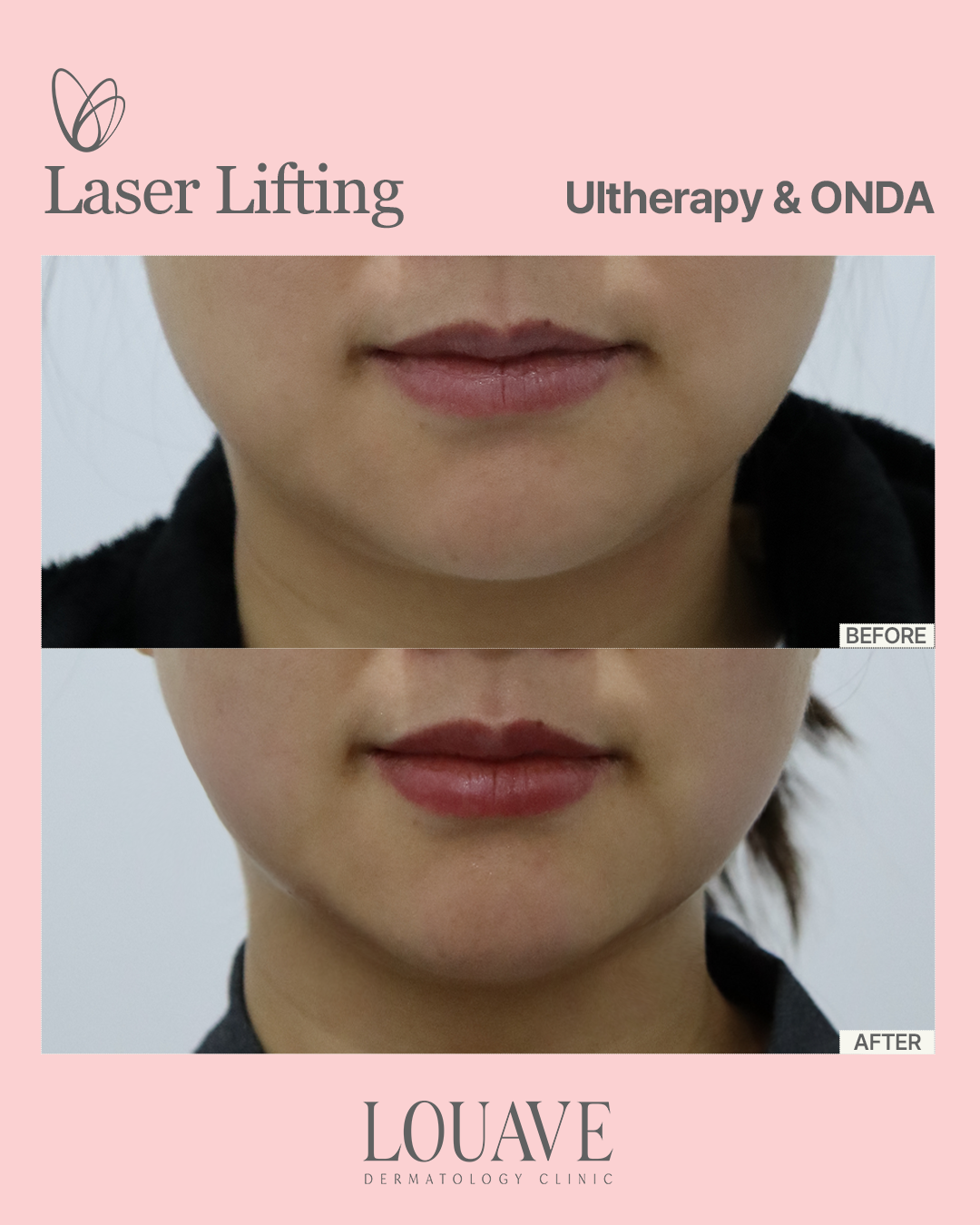
- Ultrasound-based tightening
- Radiofrequency microneedling
- Fractional laser treatment
- Laser resurfacing
The correct option depends on whether the concern primarily involves the skin surface, dermal support, facial volume, or deeper tissue descent.
Non-surgical tightening may provide gradual improvement, but it cannot produce the same result as surgery in patients with significant sagging. Laser resurfacing may provide more noticeable tightening than some non-invasive options, but it also requires greater downtime and has a higher risk of side effects.
Considering Skin Tone and Sensitivity
Skin tone affects both how aging appears and how the skin responds to treatment.
Patients with pigment-sensitive skin may have an increased risk of temporary or prolonged pigmentation changes after inflammation, lasers, or aggressive resurfacing.
The dermatologist may adjust:
- Laser wavelength
- Energy level
- Treatment depth
- Number of passes
- Treatment interval
- Pre-treatment skincare
- Post-treatment sun protection
Patients with active acne, rosacea, dermatitis, infection, or severe barrier damage may need medical treatment before beginning elective anti-aging procedures.
Why Treatments May Be Combined
A patient may have sun spots, dynamic wrinkles, mild laxity, and volume loss at the same time. No single treatment is likely to address all of these concerns effectively.
A staged plan may combine:
- Skincare for prevention and maintenance
- Laser treatment for tone or texture
- Vascular treatment for redness
- Wrinkle-relaxing injections for muscle movement
- Fillers for selected volume loss
- Energy-based procedures for mild laxity
Fillers may be combined with laser or botulinum toxin treatment when different aspects of facial aging need to be addressed.
Combination treatment does not mean performing everything during one visit. Staging procedures can reduce irritation, allow results to develop gradually, and help prevent an overtreated appearance.
Planning Around Downtime
Recovery varies according to the procedure and treatment intensity.
Possible temporary reactions include:
- Redness
- Swelling
- Bruising
- Tenderness
- Dryness or flaking
- Small injection marks
- Temporary darkening of pigmentation
- Increased skin sensitivity
Patients visiting Seoul should tell the clinic about:
- Length of stay
- Departure date
- Upcoming flights
- Important events
- Outdoor travel plans
- Previous procedures
- Available recovery time
- Follow-up options after returning home
A short visit may be more suitable for consultation, skincare planning, or limited-downtime treatment. Intensive resurfacing or multi-session programs require more recovery and continued follow-up.
Building a Maintenance Plan
Anti-aging treatment is not usually completed through one procedure.
Long-term care may include:
- Daily broad-spectrum sunscreen
- Gentle cleansing and moisturizing
- Retinoids or other active skincare when appropriate
- Periodic wrinkle-relaxing injections
- Maintenance laser sessions
- Follow-up of fillers
- Reassessment as the face changes
- Avoidance of smoking and tanning
Maintenance should be based on how the patient’s skin responds rather than an automatic schedule of frequent procedures.
Questions to Ask During Consultation
Consider asking:
- Which aging changes are most important in my face?
- Are my concerns caused by pigmentation, movement, volume, or laxity?
- Which treatment should be prioritized?
- Do I need one procedure or a staged plan?
- Is the treatment suitable for my skin tone?
- What results can I realistically expect?
- What downtime and side effects are possible?
- How many sessions may be needed?
- How will treatment affect natural facial movement?
- How can I maintain the results after leaving Seoul?
Personalization Is More Important Than the Number of Procedures
An effective anti-aging plan should reflect the patient’s skin condition, facial anatomy, priorities, medical history, and lifestyle.
The most appropriate plan may involve a single targeted procedure, a staged combination, or preventive skincare without immediate treatment. Patients should also have enough time to consider the benefits, risks, costs, practitioner qualifications, and aftercare before undergoing a cosmetic procedure.
For international patients seeking anti-aging treatment in Seoul, careful evaluation and conservative planning can support natural-looking improvement without unnecessary or excessive procedures.