Skin Rejuvenation in Cheongdam
Skin Rejuvenation in Cheongdam
Skin rejuvenation refers to treatments designed to improve concerns such as uneven tone, rough texture, fine lines, enlarged-looking pores, redness, acne scars, dryness, and mild loss of firmness.
Rather than using the same procedure for every patient, a dermatologist should evaluate which layers and structures are contributing to the concern. Treatment in Cheongdam may involve medical skincare, lasers, energy-based devices, microneedling, injectables, or a carefully staged combination.
What Does Skin Rejuvenation Treat?
Patients may seek rejuvenation treatment for:
- Fine lines and early wrinkles
- Uneven pigmentation
- Sun spots
- Dull or rough texture
- Enlarged-looking pores
- Acne scars
- Persistent redness
- Visible facial vessels
- Reduced elasticity
- Mild skin laxity
- Dehydrated-looking skin
These concerns do not all have the same cause. For example, a dark spot may be related to sun damage, melasma, or previous inflammation, while a facial line may result from muscle movement, collagen changes, dryness, or volume loss.
Why Skin Evaluation Comes First
A proper consultation helps determine whether treatment should focus on pigmentation, blood vessels, texture, movement, volume, or deeper tissue support.
The dermatologist may evaluate:
- Skin tone and pigmentation risk
- Texture and pore appearance
- Wrinkle depth and location
- Facial movement
- Redness and visible vessels
- Acne scars
- Skin thickness and elasticity
- Facial volume and proportions
- Active acne or dermatitis
- Previous cosmetic treatments
Medical history, medication, allergies, pregnancy, recent sun exposure, cold sore history, and previous reactions should also be reviewed before treatment.
A changing mole, persistent wound, or unusual growth should be medically assessed before it is treated as a cosmetic concern.
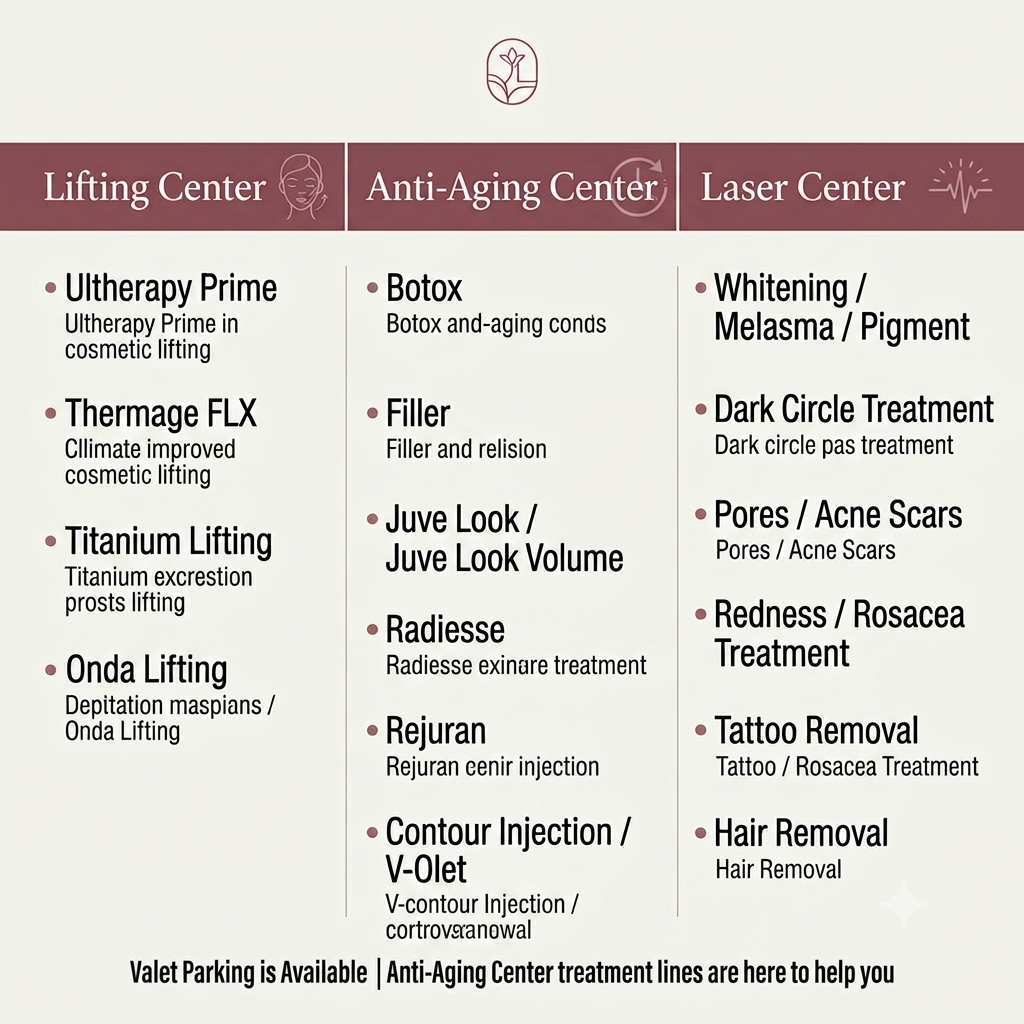
Laser Treatment for Tone and Texture
Different lasers target different structures within the skin. The wavelength, pulse duration, and treatment settings determine whether a device primarily affects pigment, blood vessels, water, or deeper tissue.
Depending on the diagnosis, laser treatment may be considered for:
- Freckles and selected sun spots
- Uneven pigmentation
- Facial redness
- Visible vessels
- Fine lines
- Rough texture
- Acne scars
- Selected enlarged pores
Gentler treatments usually require several sessions but may involve less downtime. More intensive resurfacing can produce greater changes in texture or scars but may also cause longer redness, peeling, swelling, and sensitivity.
Fractional Laser Resurfacing
Fractional lasers treat microscopic columns of skin while leaving surrounding areas untreated. This allows controlled skin repair and collagen remodeling.
They may be considered for:
- Acne scars
- Fine wrinkles
- Sun-damaged texture
- Uneven skin surface
- Selected pigmentation concerns
Fractional treatment can be ablative or non-ablative. Ablative procedures generally remove more surface tissue and involve greater downtime, while non-ablative treatments tend to have a milder recovery but may require more sessions. Laser resurfacing can improve wrinkles, scars, and selected blemishes, but results and recovery depend on the device and treatment intensity.
Microneedling and Collagen Remodeling
Microneedling creates controlled micro-injuries that stimulate a repair response within the skin.
It may be used for:
- Acne scars
- Uneven texture
- Fine lines
- Selected enlarged pores
- Mild skin-quality concerns
Microneedling is considered a minimally invasive, non-ablative procedure, but temporary redness, swelling, sensitivity, and small areas of bleeding may occur.
Radiofrequency microneedling additionally delivers heat below the surface. Treatment depth and energy require careful adjustment because excessive or inappropriate treatment can cause complications. Patients should discuss the device, expected benefits, possible risks, and the practitioner’s experience before proceeding.
Energy-Based Skin Tightening
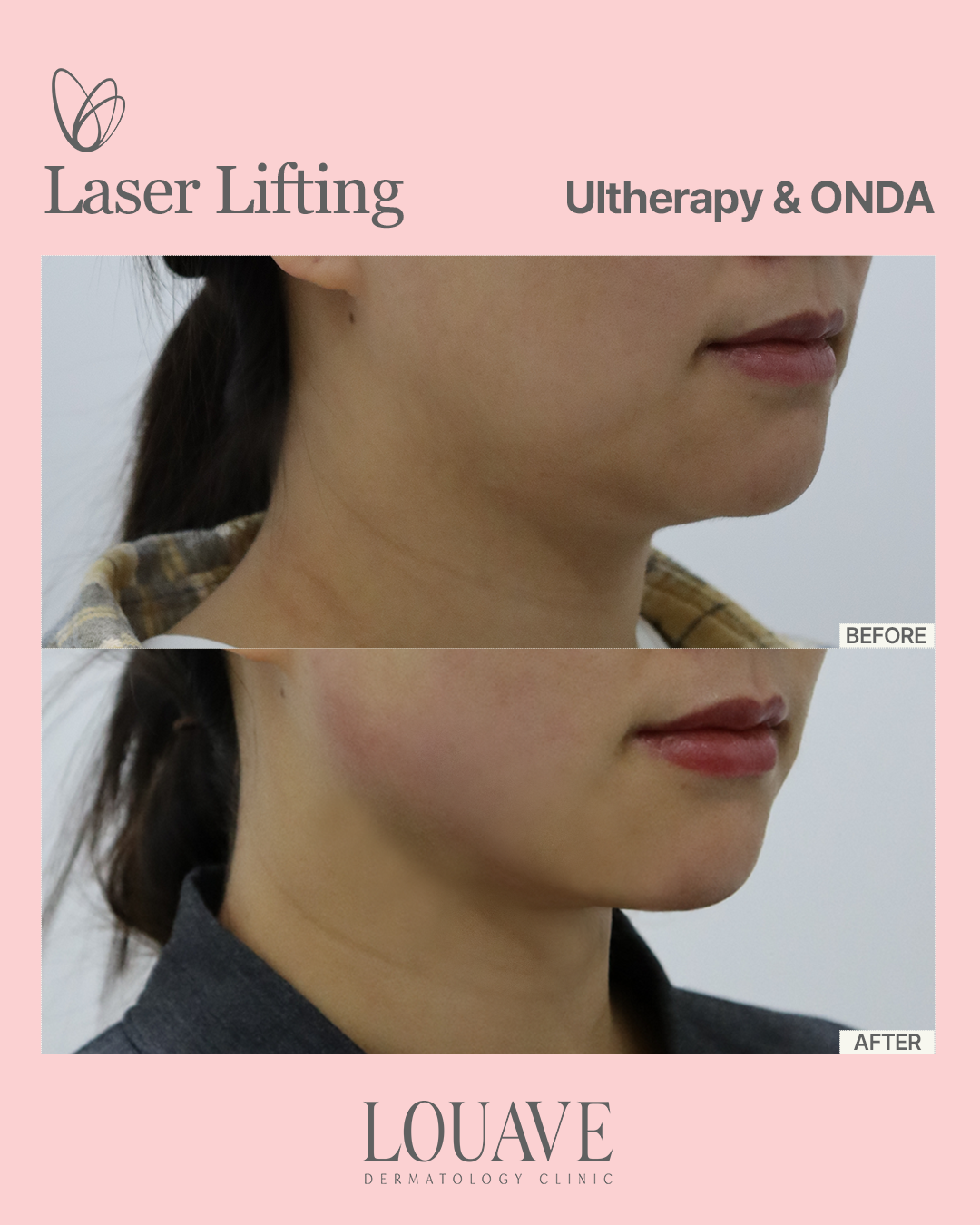
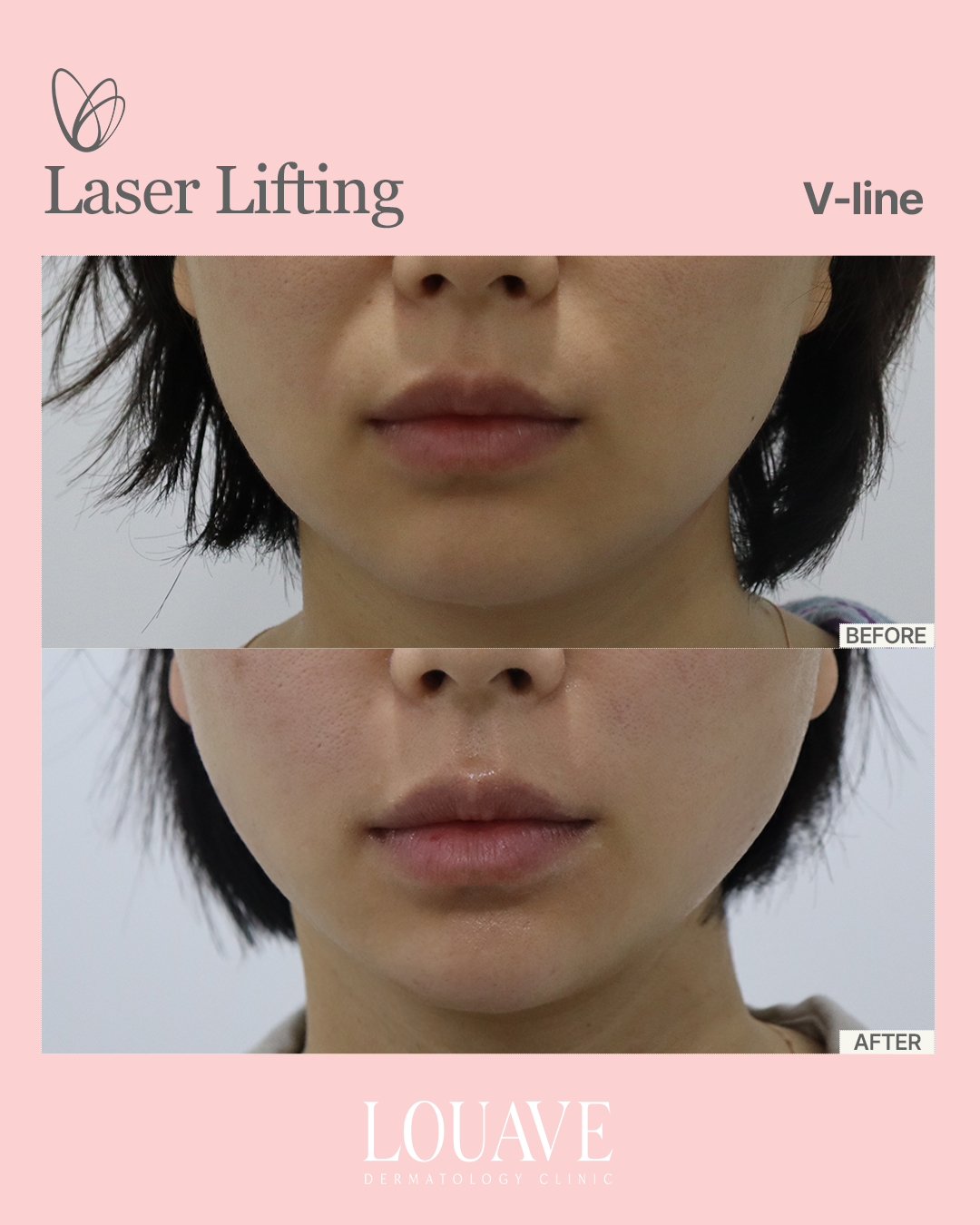
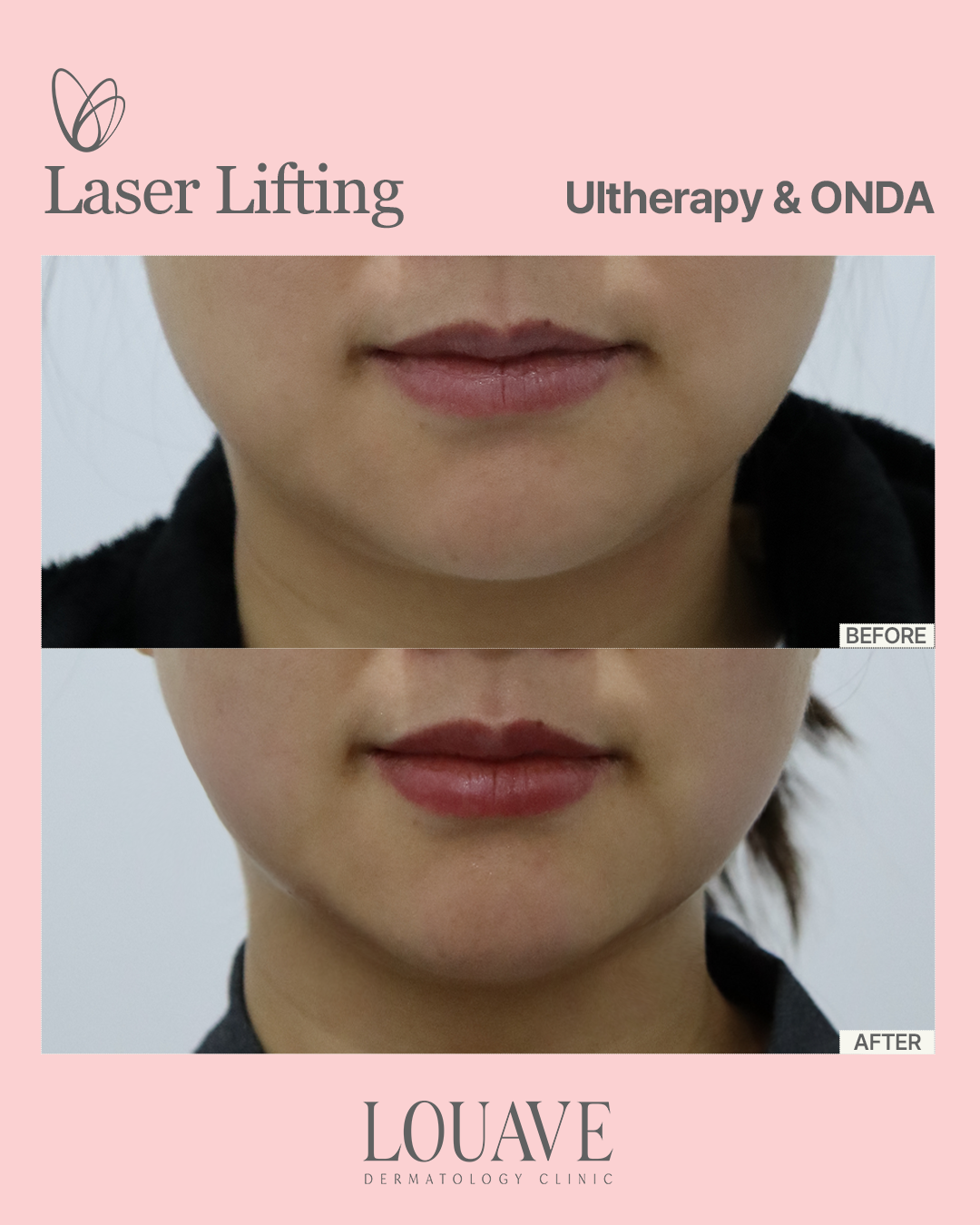
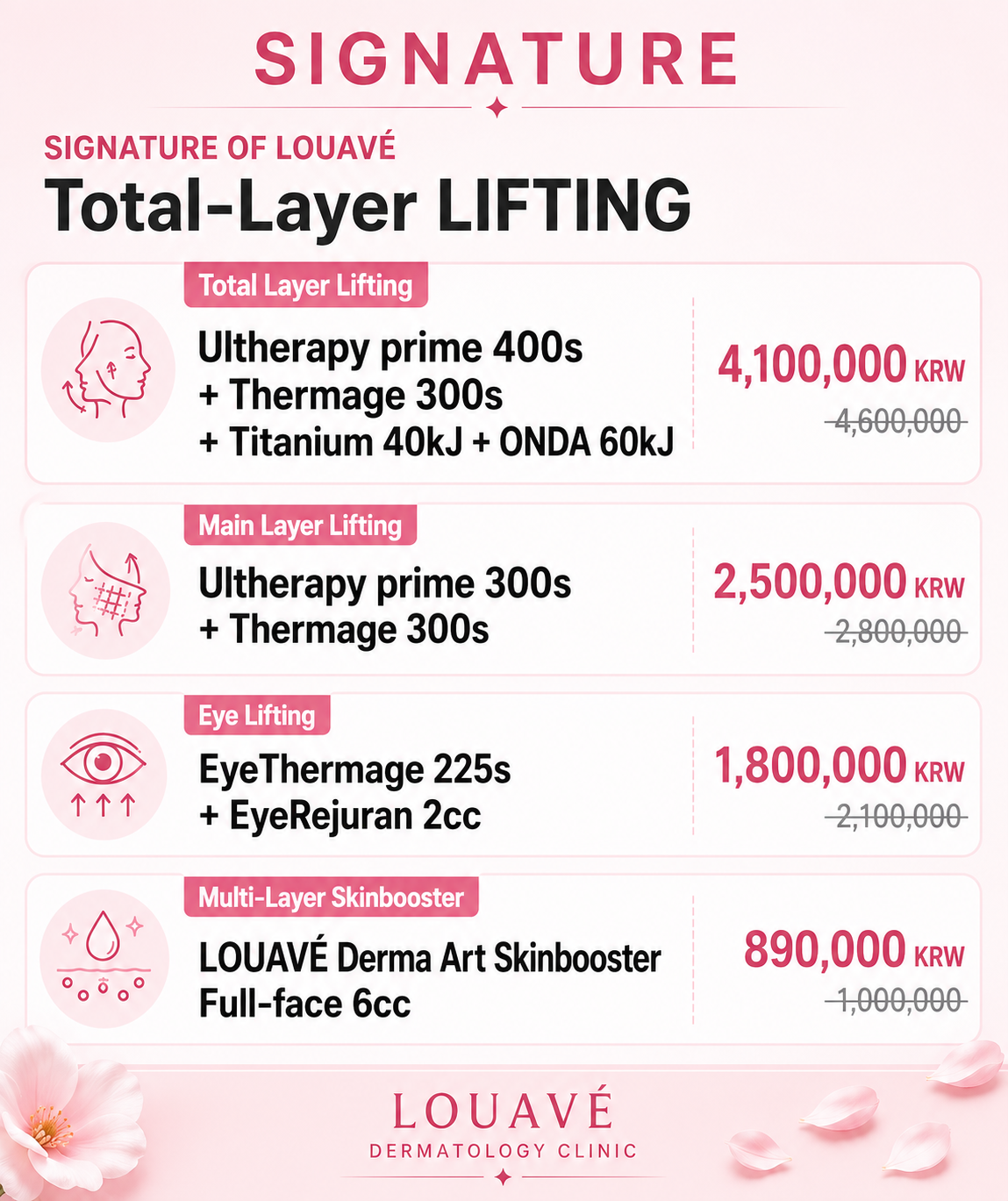
Radiofrequency and ultrasound-based devices may be used when the main concern is mild to moderate laxity rather than pigmentation or surface texture.
These treatments aim to deliver controlled energy to selected tissue depths and encourage gradual remodeling.
Possible treatment areas include:
- Cheeks
- Lower face
- Jawline
- Under-chin area
- Neck
Results usually appear gradually and may vary according to skin thickness, age-related changes, facial structure, and treatment settings. Significant sagging caused by deeper tissue descent may not respond sufficiently to a non-surgical device.
Wrinkle-Relaxing Injections
Wrinkle-relaxing injections may soften dynamic lines caused by repeated facial movement.
Common areas include:
- Forehead
- Between the eyebrows
- Around the eyes
- Nose
- Chin
- Selected jawline or neck areas
The amount and injection placement should be individualized. The aim is usually to reduce excessive muscle movement while preserving expression and facial balance.
These injections do not directly treat pigmentation, acne scars, rough texture, or volume loss, so additional treatment may be needed for those concerns.
Fillers and Volume Restoration
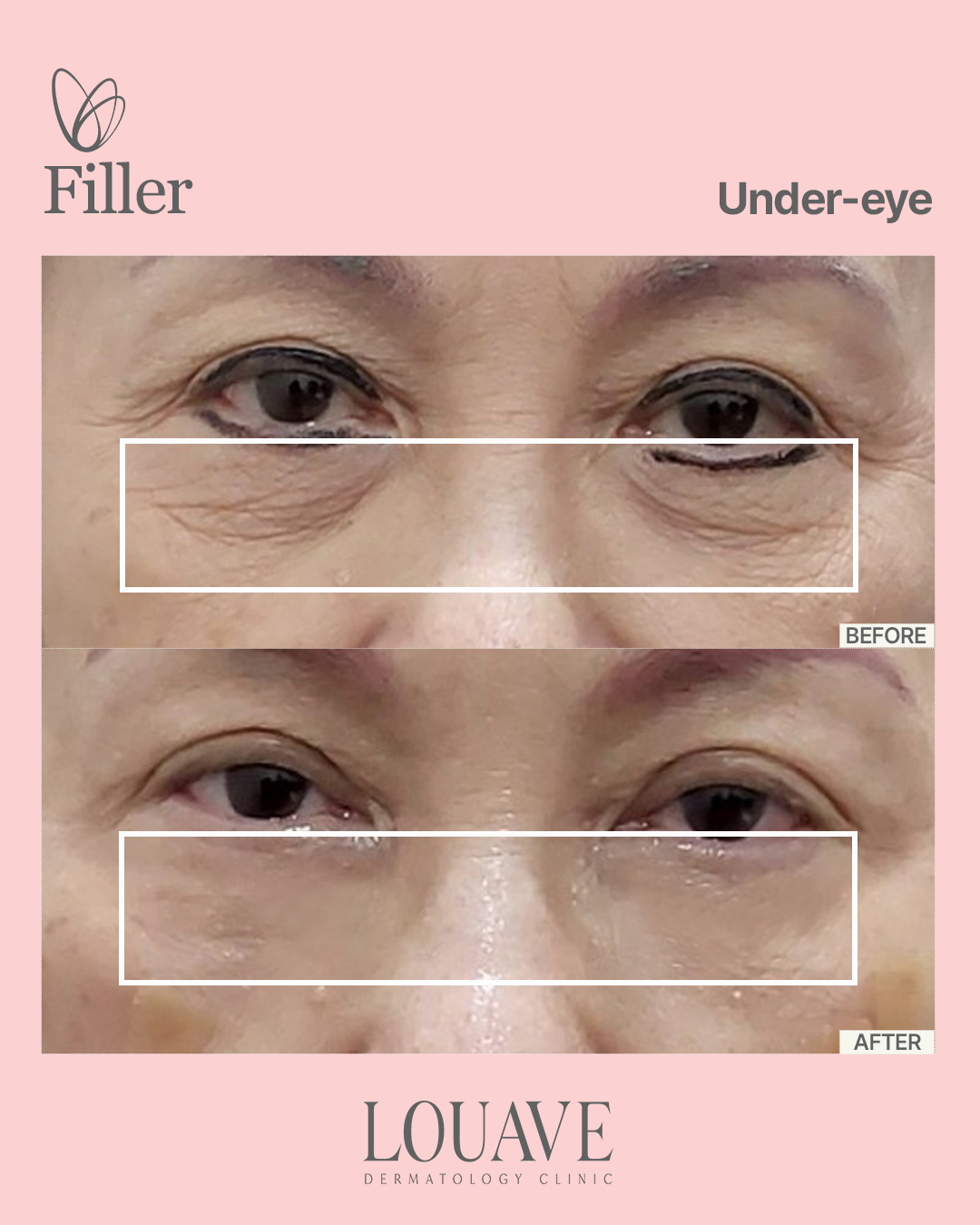
Loss of facial volume can create hollowness, shadows, deeper folds, or changes in facial contours.
Dermal fillers may be considered for selected areas such as:
- Temples
- Cheeks
- Under-eye area
- Nasolabial folds
- Lips
- Chin
- Jawline
Fillers should be planned according to facial anatomy rather than added uniformly across the face. Combination plans may include fillers with laser treatment or wrinkle-relaxing injections when several different aging changes are present.
Although temporary swelling and bruising are common, fillers can also cause serious complications if material enters or compresses a blood vessel. Patients should understand the product being used, the injector’s qualifications, and the clinic’s emergency procedures.
Skin Boosters and Injectable Treatments
Skin boosters and related injectable treatments may be offered to improve hydration, fine texture, and overall skin quality.
Possible goals include:
- Improving skin hydration
- Softening fine surface lines
- Supporting elasticity
- Improving smoothness
- Creating a healthier-looking complexion
These treatments do not produce the same effect as fillers or surgical lifting. Temporary bumps, swelling, bruising, tenderness, and injection marks may occur.
The expected benefit depends on the product, injection technique, number of sessions, and the patient’s skin condition.
Why Combination Treatment Is Common
Skin aging affects multiple layers at the same time. A patient may have pigmentation, vascular redness, dynamic wrinkles, acne scars, volume loss, and mild laxity together.
A staged plan may therefore include:
- Skincare for daily maintenance
- Pigment treatment for uneven tone
- Vascular laser for redness
- Resurfacing for texture or scars
- Energy treatment for mild laxity
- Wrinkle-relaxing injections for movement
- Fillers for selected volume loss
Combination treatment does not mean that every available procedure should be performed. Treatments may be separated to limit irritation, monitor the response, and avoid an unnatural or overtreated appearance.
Possible Downtime
Recovery depends on the procedure and treatment intensity.
Temporary reactions may include:
- Redness
- Swelling
- Bruising
- Warmth or tenderness
- Dryness
- Flaking or peeling
- Small injection marks
- Temporary darkening of pigmentation
- Increased skin sensitivity
Stronger treatment is not automatically more effective or appropriate. Aggressive settings may increase the risk of burns, prolonged inflammation, pigmentation changes, infection, scarring, or unwanted tissue changes.
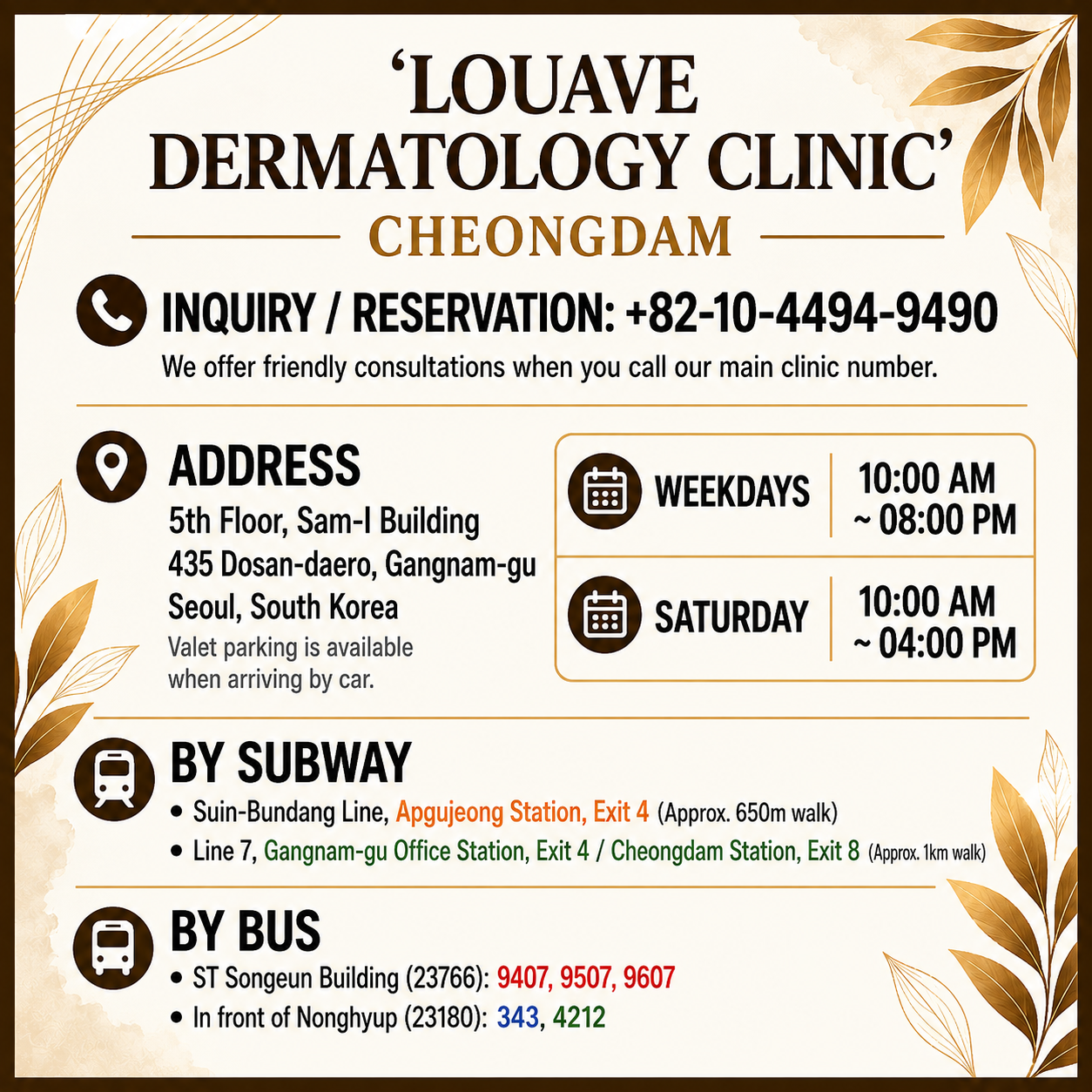
Planning Treatment During Your Stay
International patients receiving treatment in Cheongdam should tell the clinic about:
- Length of stay in Seoul
- Departure date
- Upcoming flights
- Important events
- Outdoor travel plans
- Recent tanning or sunburn
- Previous lasers or injectables
- Current skincare products
- Available recovery time
- Follow-up options after returning home
Patients visiting briefly may be better suited to consultation, skincare planning, or lower-downtime treatment. More intensive resurfacing or a multi-session program may require longer recovery and continued follow-up.
Questions to Ask During Consultation
Consider asking:
- What is causing my main skin concern?
- Which treatment should be prioritized?
- Is the treatment suitable for my skin tone?
- Do I need one procedure or a staged plan?
- What results can I realistically expect?
- How many sessions may be required?
- What downtime and side effects are possible?
- Could the treatment cause pigmentation changes?
- What should I avoid before and after treatment?
- How can I maintain the results after leaving Korea?
Choose Diagnosis-Based Rejuvenation
Skin rejuvenation should not be selected only by choosing the newest device or the most popular treatment in Cheongdam.
The most appropriate plan depends on the patient’s pigmentation, texture, vascular changes, facial movement, volume, skin laxity, sensitivity, and recovery schedule. Cosmetic procedures also carry risks, so patients should understand the practitioner’s qualifications, expected outcome, aftercare, and possible complications before treatment.
A personalized and conservative approach can improve skin quality while preserving natural facial features and supporting long-term skin health.