Combination Treatments for Better Skin
Combination Treatments for Better Skin
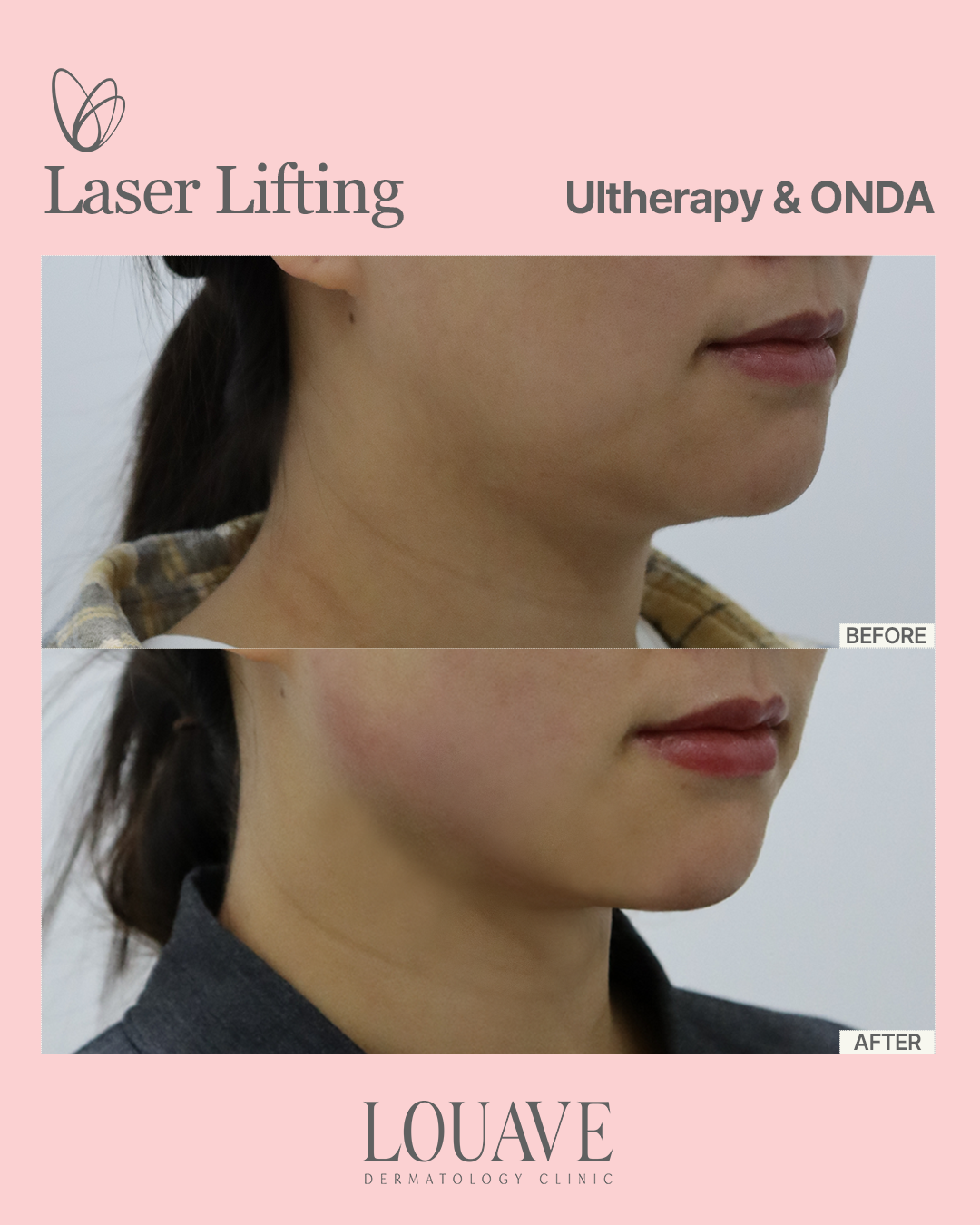
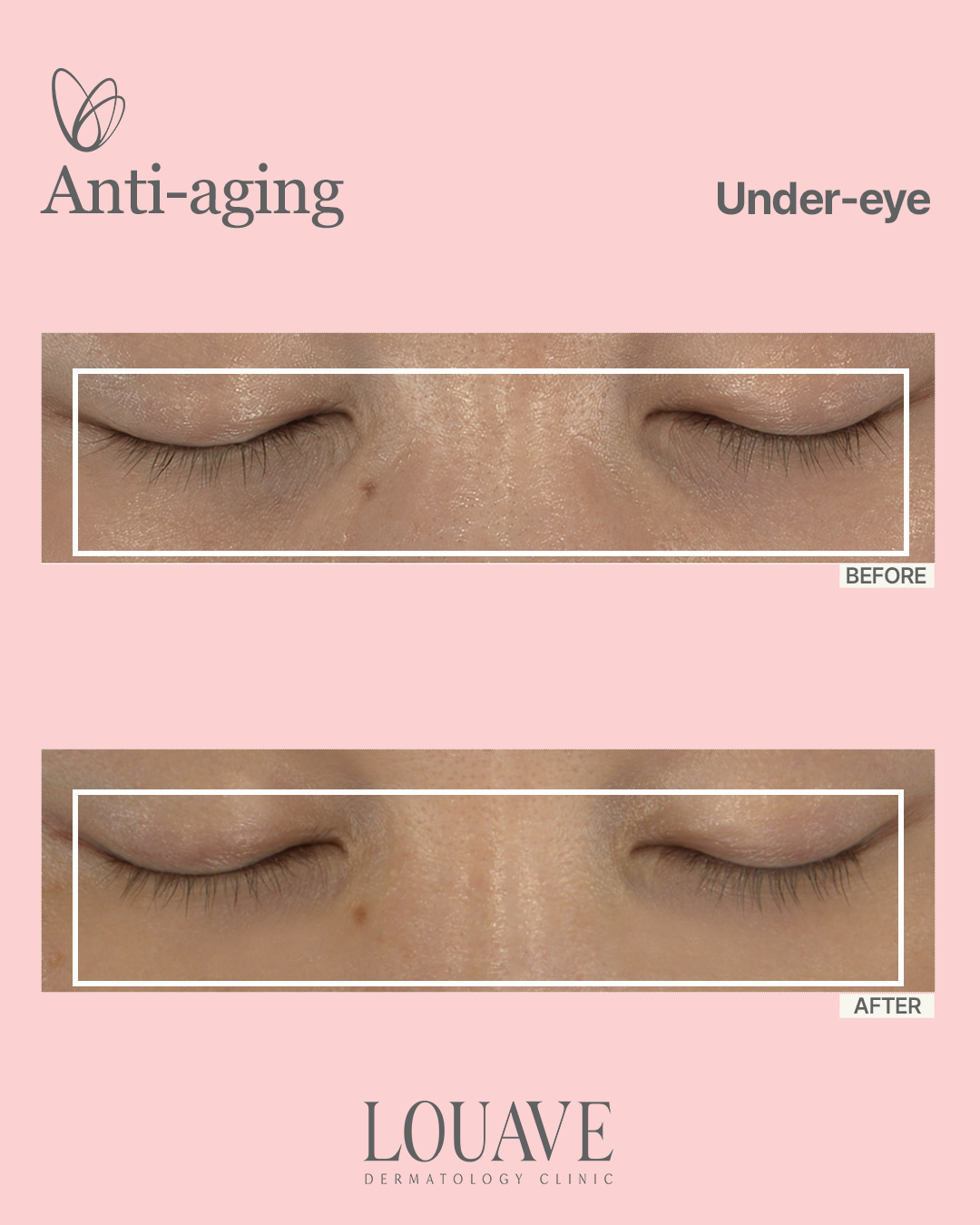
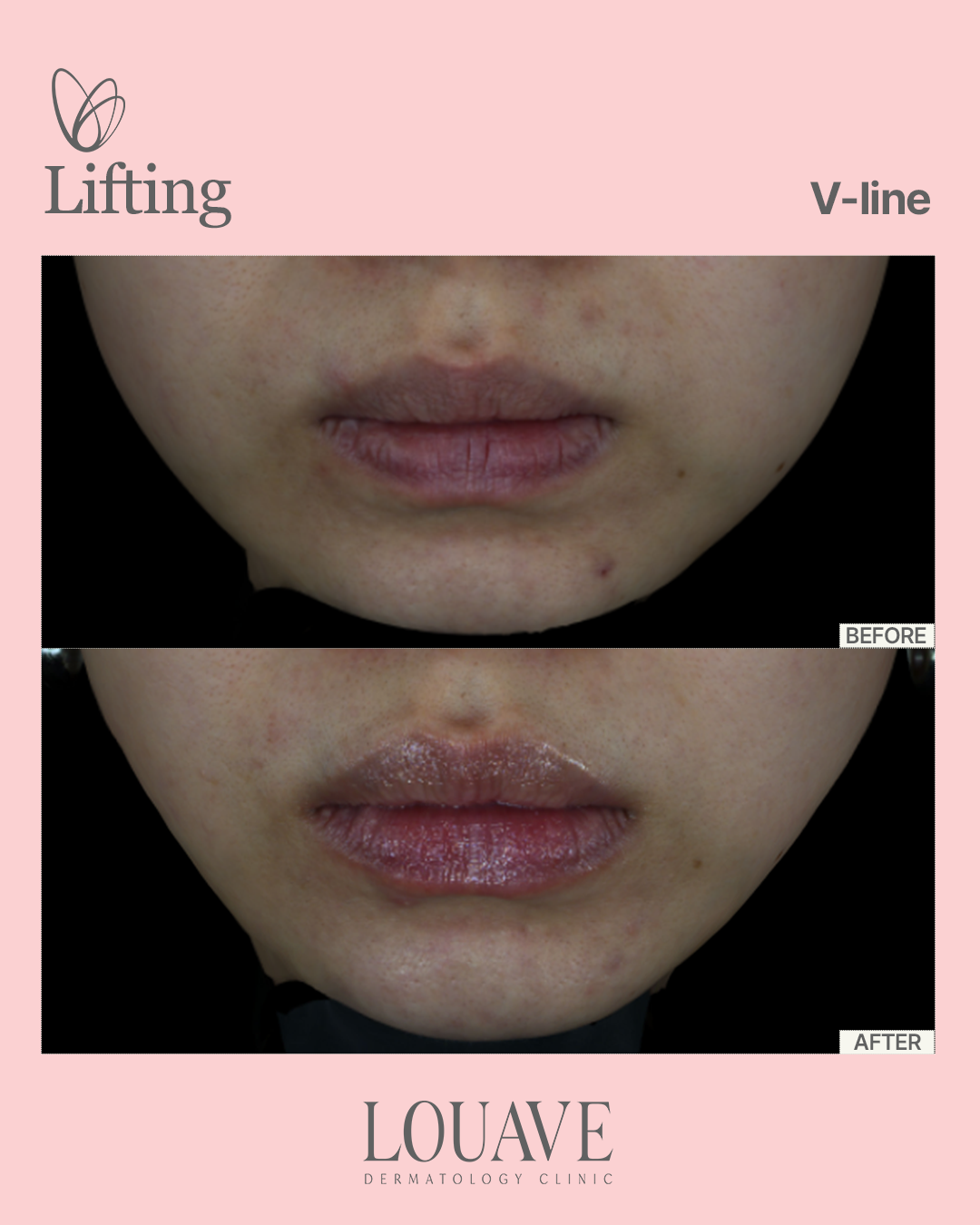
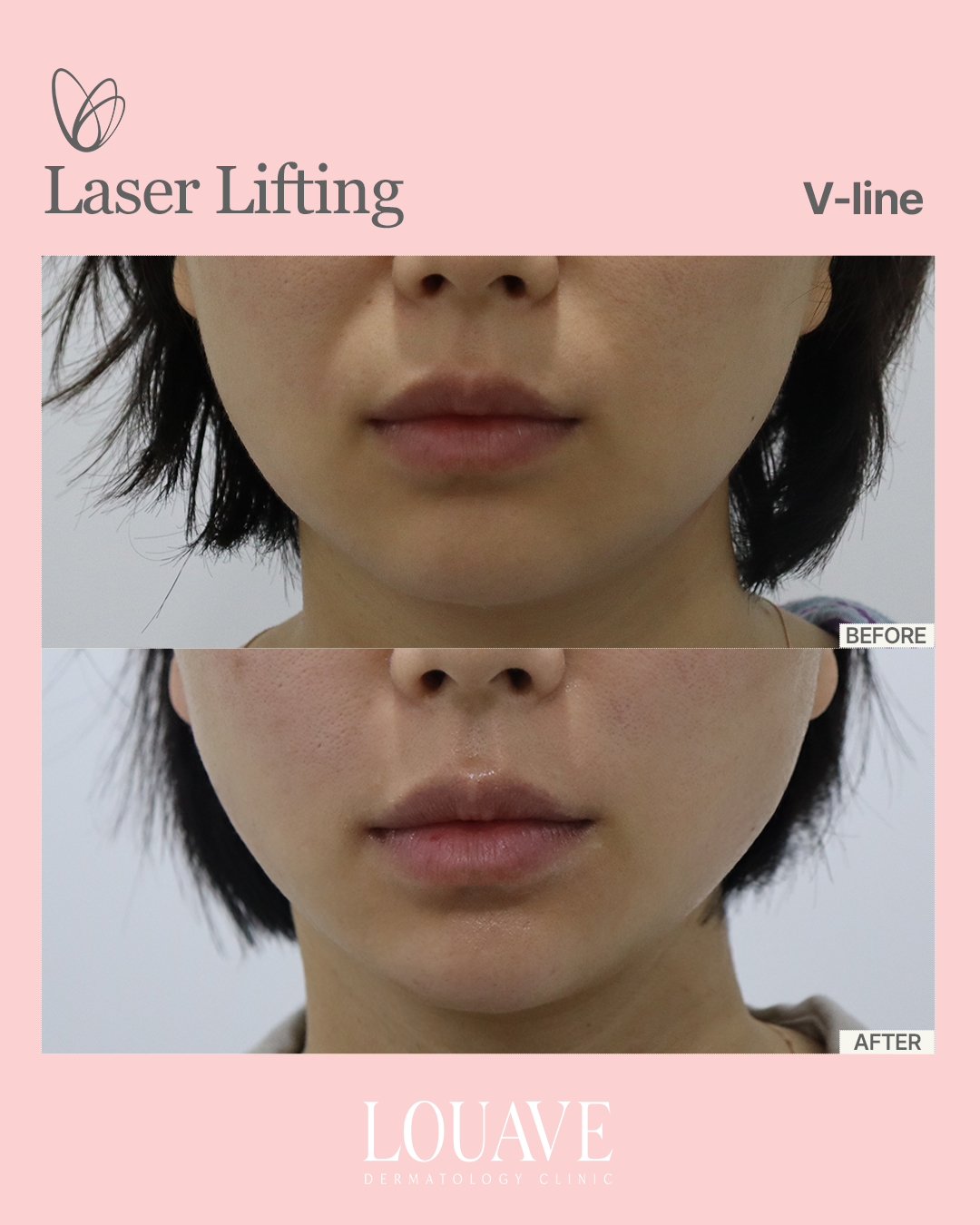
Combination treatment uses two or more carefully selected methods to address different skin concerns. For example, one treatment may target pigmentation while another improves redness, texture, acne scars, or expression lines.
The goal is not to perform as many procedures as possible. A safe combination plan identifies the main concerns, selects treatments that complement one another, and allows enough time for the skin to recover.
Why One Treatment May Not Be Enough
Skin appearance is influenced by several factors, including:
- Hydration and skin-barrier health
- Brown pigmentation
- Facial redness
- Active acne
- Acne scars
- Rough texture
- Expression lines
- Volume loss
- Skin laxity
Because these concerns develop in different layers and through different biological processes, one device cannot correct all of them.
For example, a pigment laser may improve selected brown spots but will not restore facial volume. Botulinum toxin may soften expression lines but will not treat acne scars or redness.
Treat Active Skin Conditions First
Cosmetic procedures should usually begin after active skin disease is controlled.
Conditions that may require medical treatment first include:
- Inflamed acne
- Rosacea flare
- Contact dermatitis
- Active eczema
- Skin infection
- Open wounds
- Severe barrier damage
- Recent sunburn
Acne treatment aims to clear current lesions, prevent new breakouts, and reduce the development of additional scars. Because acne varies between patients, treatment should be individualized rather than based on one standard procedure package.
Performing peels, lasers, or microneedling over actively inflamed skin may increase irritation and complicate healing.
Combining Treatment for Pigmentation and Redness
Uneven tone may involve both brown pigment and visible blood vessels.
A treatment plan may combine:
- Medical skincare
- Daily sunscreen
- Pigment-targeting laser
- Vascular laser
- Superficial chemical peel
- Treatment for underlying rosacea
The pigment and vascular procedures may be performed separately rather than during the same appointment. This allows the dermatologist to assess how the skin responds and reduces unnecessary inflammation.
Laser selection should reflect the target. Different wavelengths and settings are used for pigmentation, facial vessels, scars, and other concerns.
Patients with melasma or a tendency toward post-inflammatory pigmentation may require especially conservative treatment.
Combination Treatment for Acne Scars
Acne scars do not all have the same shape or depth.
A patient may have:
- Rolling scars
- Boxcar scars
- Ice-pick scars
- Enlarged-looking pores
- Red acne marks
- Brown post-acne pigmentation
- Raised scars
Different scar types may require different procedures. A personalized plan may include:
- Subcision for tethered rolling scars
- TCA CROSS for selected narrow scars
- Microneedling
- Fractional laser
- Radiofrequency microneedling
- Filler for selected depressed scars
- Vascular or pigment treatment for residual marks
Dermatologists may use more than one technique because a combination can address different scar structures. Active acne should generally be controlled before scar-focused treatment begins.
Several sessions are often required, and complete scar removal should not be expected.
Combining Injectables With Skin Treatments
Injectables and skin-quality procedures may be combined when they address separate concerns.
For example:
- Botulinum toxin may soften expression lines
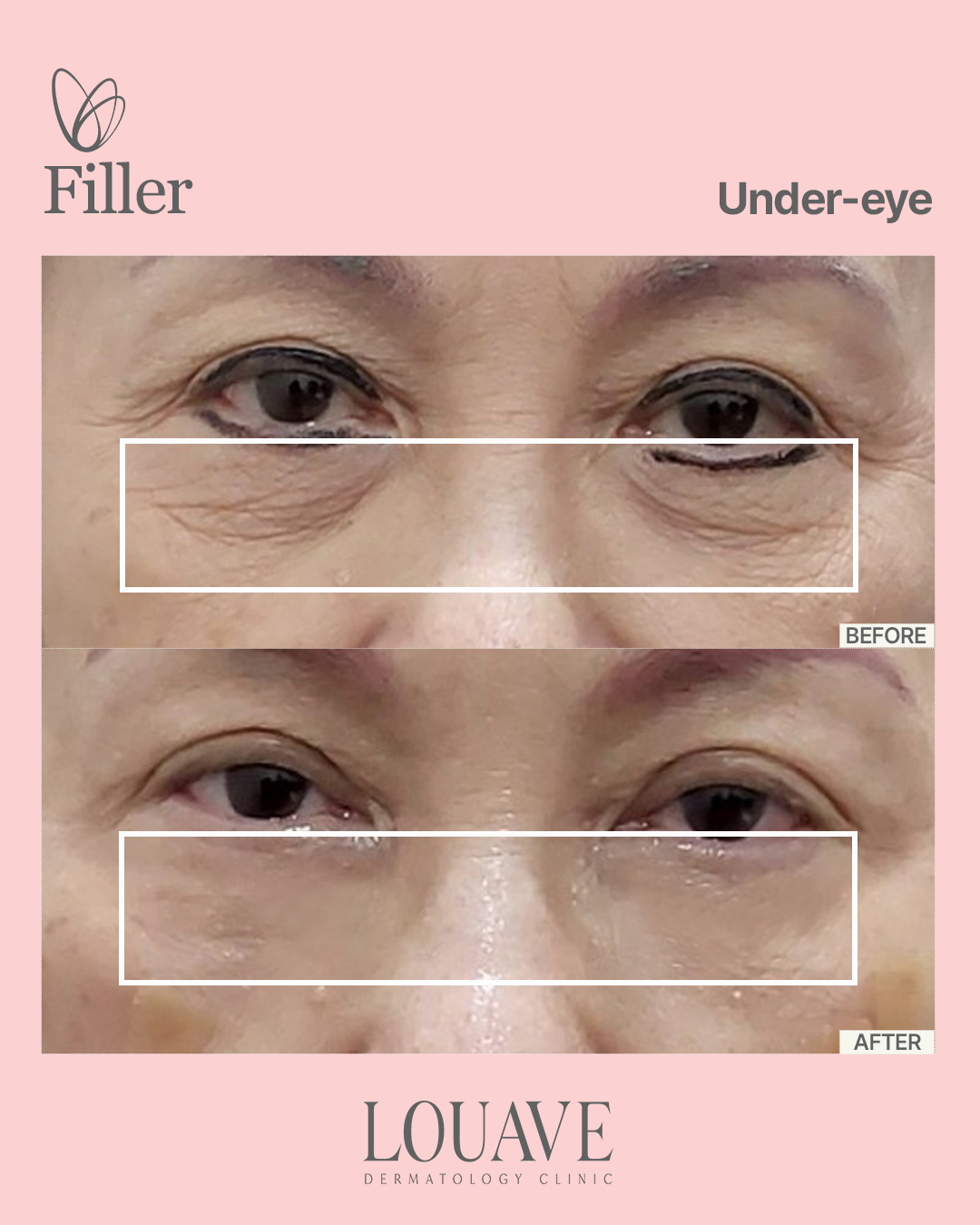
- Filler may restore selected volume loss
- Laser may improve pigmentation or redness
- Microneedling may improve scars and texture
- Skincare may support maintenance
Botulinum toxin commonly lasts around three to four months, although results vary between patients.
Dermal fillers provide structural volume but carry risks beyond temporary swelling and bruising. Accidental injection into a blood vessel can cause tissue injury, visual impairment, blindness, or stroke.
Injectables should therefore be performed by a medically qualified practitioner with detailed anatomical knowledge and a plan for managing complications.
Why Timing and Treatment Order Matter
Some treatments should not be performed too close together.
The dermatologist may consider:
- The amount of inflammation each procedure creates
- Whether the skin barrier has recovered
- Swelling from previous injections
- Recent sun exposure
- Current medication
- History of cold sores
- Pigmentation risk
- Planned travel or important events
Allowing the skin to recover makes it easier to evaluate the result and identify the cause of any unexpected reaction.
A staged plan may begin with medical skincare, followed by pigment or vascular treatment, then texture treatment after inflammation has settled.
Avoid Overloading the Skin
Performing several aggressive treatments during one visit may increase the risk of:
- Prolonged redness
- Swelling
- Peeling
- Burns
- Infection
- Post-inflammatory pigmentation
- Delayed healing
- Scarring
- Difficulty identifying which procedure caused a reaction
Chemical peels can create superficial, medium-depth, or deep skin injury depending on the solution and technique used. Stronger treatment therefore requires greater caution and recovery.
More treatment does not automatically mean better or faster improvement. Several conservative sessions may be safer than one overloaded appointment.
Downtime Depends on the Combination
Possible temporary reactions include:
- Redness
- Swelling
- Bruising
- Dryness
- Flaking
- Small crusts
- Injection marks
- Darkening of treated pigment
- Increased sensitivity
Microneedling and fractional treatments may require multiple sessions before the final improvement becomes visible. Some combinations can improve selected acne scars, but results develop gradually through healing and remodeling.
Patients should allow enough recovery time before weddings, photographs, business meetings, or flights.
Planning Treatment During Your Stay
International patients considering combination treatments should tell the clinic about:
- Length of stay
- Departure date
- Important events
- Available downtime
- Current medication and skincare
- Previous lasers or injectables
- History of melasma or dark marks
- Active acne or dermatitis
- Planned sun exposure
- Follow-up options after returning home
A short visit may be better suited to consultation and one conservative procedure. Aggressive resurfacing or several injectable treatments may require follow-up that cannot be completed before departure.
Questions to Ask During Consultation
Consider asking:
- Which concerns require separate treatments?
- What should be treated first?
- Can the procedures be staged?
- Which treatments can safely be combined?
- How long should I wait between sessions?
- Is the plan suitable for my skin tone?
- What downtime should I expect?
- Which procedure carries the greatest risk?
- How will complications be managed?
- Do I need every treatment being recommended?
Combine Treatments With a Clear Purpose
Combination treatment can improve results when each procedure has a specific role.
The safest plan treats active skin disease first, addresses the most important concern, allows adequate recovery, and adds another procedure only when it offers a clear benefit.
A personalized and staged approach can improve tone, texture, scars, wrinkles, and facial balance without unnecessarily overloading the skin.