Why Less Is More in Aesthetic Dermatology
Why Less Is More in Aesthetic Dermatology
“Less is more” in aesthetic dermatology does not mean avoiding effective treatment. It means using the smallest appropriate intervention to address the patient’s actual concern while preserving facial expression, proportions, and healthy skin function.
Natural results usually depend on accurate diagnosis, conservative treatment, and reassessment—not on performing the greatest number of procedures during one appointment.
Treat the Main Concern First
A patient may describe the face as tired or aged, but several factors can create that appearance:
- Uneven pigmentation
- Persistent redness
- Rough texture
- Expression lines
- Facial volume loss
- Skin laxity
- Dryness or barrier damage
- Active acne or dermatitis
Treating every possible concern at once may be unnecessary. A dermatologist should identify which issue contributes most to the patient’s appearance and begin with the treatment most likely to provide meaningful improvement.
For example, correcting redness or pigmentation may refresh the face without adding filler, while improving skin hydration may be more appropriate than immediately starting resurfacing procedures.
More Filler Does Not Always Look Younger
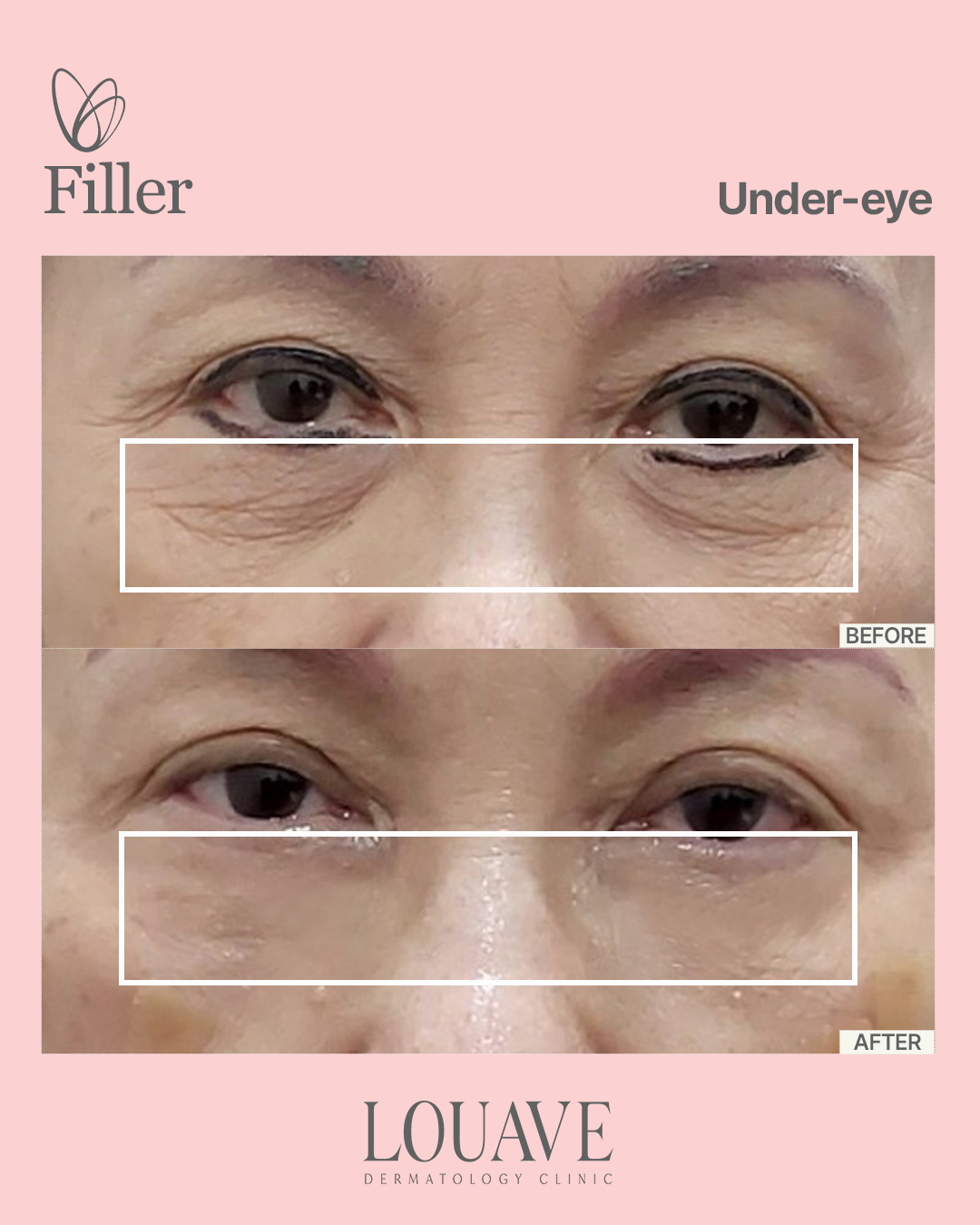
Dermal fillers can restore selected areas of volume loss, including the cheeks, temples, lips, and deeper facial folds. However, excessive or repeated filler can change natural proportions, create heaviness, or make facial features look less defined.
A conservative filler plan may involve:
- Treating only areas with genuine volume loss
- Using small amounts
- Preserving normal shadows and contours
- Avoiding unnecessary enlargement
- Reassessing after swelling has resolved
- Delaying additional treatment until the result is clear
Fillers also carry medical risks. Accidental injection into a blood vessel can rarely cause tissue damage, blindness, or stroke, making appropriate product selection, anatomical knowledge, and complication management essential.
Preserve Natural Facial Movement
Botulinum toxin can soften lines caused by repeated facial expressions, particularly forehead lines, frown lines, and crow’s feet. Its cosmetic effects commonly last approximately three to four months.
The goal does not always need to be complete muscle immobilization.
Excessive treatment may cause:
- Heavy eyebrows
- Reduced facial expression
- Temporary asymmetry
- An unfamiliar appearance
- Compensatory movement in nearby muscles
A more conservative approach considers muscle strength, eyebrow position, existing asymmetry, and how much movement the patient wants to keep.
Avoid Stacking Too Many Procedures
Combining lasers, peels, injectables, microneedling, and energy-based treatments during one visit may increase inflammation and make recovery more difficult.
Performing too many procedures together can also make it harder to determine:
- Which treatment produced improvement
- Which treatment caused irritation
- Whether additional treatment is necessary
- Whether swelling is hiding the true result
- How the skin responds to a specific device or product
A staged plan allows the skin and facial tissues to settle before the next decision is made.
Allow Time for Results to Develop
Some procedures produce immediate changes, while others depend on gradual healing or collagen remodeling.
Patients may need time for:
- Filler swelling to settle
- Botulinum toxin to reach its full effect
- Pigment spots to darken and shed
- Redness to improve
- Collagen remodeling to develop
- The skin barrier to recover
- Post-procedure sensitivity to resolve
Repeating or adding treatment too early can lead to unnecessary correction. A result should be assessed at an appropriate follow-up point rather than judged immediately after the procedure.
Stronger Settings Are Not Automatically Better
Laser and energy settings should be selected according to the diagnosis, skin tone, treatment depth, and pigmentation risk.
Aggressive treatment may increase the likelihood of:
- Burns
- Prolonged redness
- Post-inflammatory pigmentation
- Blistering
- Scarring
- Extended downtime
Patients with darker or pigmentation-prone skin have a greater risk of burns and dark marks after inappropriate laser treatment. The AAD recommends treatment tailored to the individual skin type by a physician experienced in using lasers on similar skin tones.
Several conservative sessions may sometimes be safer and more predictable than one highly aggressive procedure.
Do Not Treat Every Trend
Aesthetic trends frequently promote specific facial shapes, enlarged features, sharply defined contours, or standardized treatment packages.
However, a procedure that suits one face may look unnatural on another. Treatment planning should consider:
- Natural bone structure
- Facial proportions
- Skin thickness
- Age-related changes
- Ethnic and individual features
- Existing asymmetry
- The patient’s preferred appearance
A treatment should address a genuine concern rather than create a new feature simply because it is currently popular.
Healthy Skin May Need Less Treatment
Cosmetic procedures should not replace basic skin health.
Some patients may achieve significant improvement through:
- Daily sunscreen
- Gentle cleansing
- Regular moisturizer
- Prescription acne treatment
- Rosacea control
- Pigmentation management
- Reduced irritation from excessive skincare
- Consistent sleep and lifestyle habits
Active acne, dermatitis, rosacea, infection, or severe barrier damage should often be stabilized before elective peels, lasers, or injections.
Cosmetic treatments may appear simple, but they require medical knowledge of the skin to reduce avoidable complications.
When More Intensive Treatment May Be Appropriate
A conservative approach does not mean that every treatment must be weak.
More intensive treatment may be reasonable for:
- Deep acne scars
- Significant sun damage
- Advanced texture changes
- Pronounced volume loss
- Severe skin laxity
- Medically appropriate surgical concerns
- Conditions that have not responded to conservative care
The treatment intensity should match the severity of the concern and the patient’s willingness to accept downtime and risk.
In some cases, one appropriately selected stronger procedure may be more useful than repeatedly undergoing mild treatments that cannot achieve the desired result.
Planning Treatment During a Visit to Korea
International patients should be cautious about completing multiple procedures simply because they are available during a short stay.
Tell the clinic about:
- Departure date
- Available recovery time
- Important events
- Previous fillers or injections
- Recent laser treatment
- History of pigmentation or scarring
- Current medication and skincare
- Follow-up options after returning home
Patients should leave enough time to manage swelling, bruising, unexpected reactions, or necessary follow-up. A short visit may be better suited to consultation and one conservative treatment than an extensive combination package.
Questions to Ask During Consultation
Consider asking:
- Which concern should be treated first?
- Do I need every procedure being recommended?
- Can treatment be performed gradually?
- What happens if I choose no treatment for this area?
- How much product or energy will be used?
- Will my natural movement and proportions remain?
- When should the result be reassessed?
- What risks increase when treatments are combined?
- How will complications be managed?
- Is a stronger treatment genuinely necessary?
The Best Result May Require Restraint
Successful aesthetic dermatology is not measured by how many procedures are performed.
A thoughtful plan identifies the main concern, selects the least invasive effective option, allows sufficient healing, and adds further treatment only when it provides a clear benefit.
By preserving facial movement, natural volume, skin integrity, and individual features, a conservative approach can create results that look refreshed rather than noticeably treated.