Dermatologist-Led Facial Rejuvenation
Dermatologist-Led Facial Rejuvenation
Dermatologist-led facial rejuvenation begins with a medical assessment of the skin and facial anatomy before any cosmetic procedure is selected. The goal is to identify whether an aged or tired appearance is mainly caused by pigmentation, redness, texture, muscle movement, volume loss, or skin laxity.
Cosmetic treatments may appear straightforward, but performing them safely requires knowledge of the skin, blood vessels, muscles, and deeper facial structures. Medical evaluation can also identify active skin conditions that should be treated before elective procedures.
What Is Evaluated During Consultation?
A dermatologist may assess:
- Skin tone and pigmentation tendency
- Dryness and skin-barrier damage
- Active acne, rosacea, or dermatitis
- Fine lines and rough texture
- Facial redness and visible vessels
- Acne scars
- Muscle movement
- Facial volume distribution
- Skin laxity
- Existing asymmetry
The consultation should also include previous lasers, fillers, botulinum toxin treatments, medication, allergies, abnormal scarring, cold sores, sun exposure, and available recovery time.
A changing mole, persistent wound, or unusual growth should be medically evaluated rather than treated cosmetically with a laser.
Treating Skin Quality
When dullness, discoloration, redness, or roughness is the main concern, skin-focused treatment may be more appropriate than immediately adding facial volume.
Possible options include:
- Prescription skincare
- Superficial chemical peels
- Pigment-targeting lasers
- Vascular lasers
- Microneedling
- Non-ablative fractional resurfacing
- Fractional ablative resurfacing
- Selected injectable skin treatments
Different lasers target different structures. Wavelength, pulse duration, energy, treatment depth, and the way the target absorbs light all affect the clinical result.
Patients with melasma, active inflammation, recent tanning, or a history of post-inflammatory pigmentation may require conservative treatment.
Improving Texture and Fine Lines
Fractional resurfacing creates microscopic treatment zones while leaving surrounding areas available to support healing.
It may be considered for:
- Fine lines
- Rough texture
- Sun damage
- Enlarged-looking pores
- Selected acne scars
- Uneven pigmentation
Non-ablative resurfacing generally offers faster recovery and a more favorable safety profile, although improvement may be more gradual and several sessions may be required. Ablative resurfacing can produce a stronger effect but involves more redness, swelling, peeling, and potential pigmentation risk.
The strongest procedure is not automatically the most suitable one. Treatment intensity should match the concern, skin tone, and available recovery time.
Softening Expression Lines
Botulinum toxin temporarily reduces contraction in selected facial muscles.
Common treatment areas include:
- Forehead lines
- Frown lines
- Crow’s feet
- Selected lines around the nose
- Carefully selected lower-face muscles
Cosmetic results commonly remain for approximately three to four months, although duration varies.
Natural-looking treatment should consider eyebrow position, muscle strength, facial asymmetry, and the amount of movement the patient wants to preserve. Excessive treatment may cause heaviness, reduced expression, or temporary imbalance.
Safe injection requires detailed medical knowledge even though the procedure may appear simple.
Restoring Facial Volume
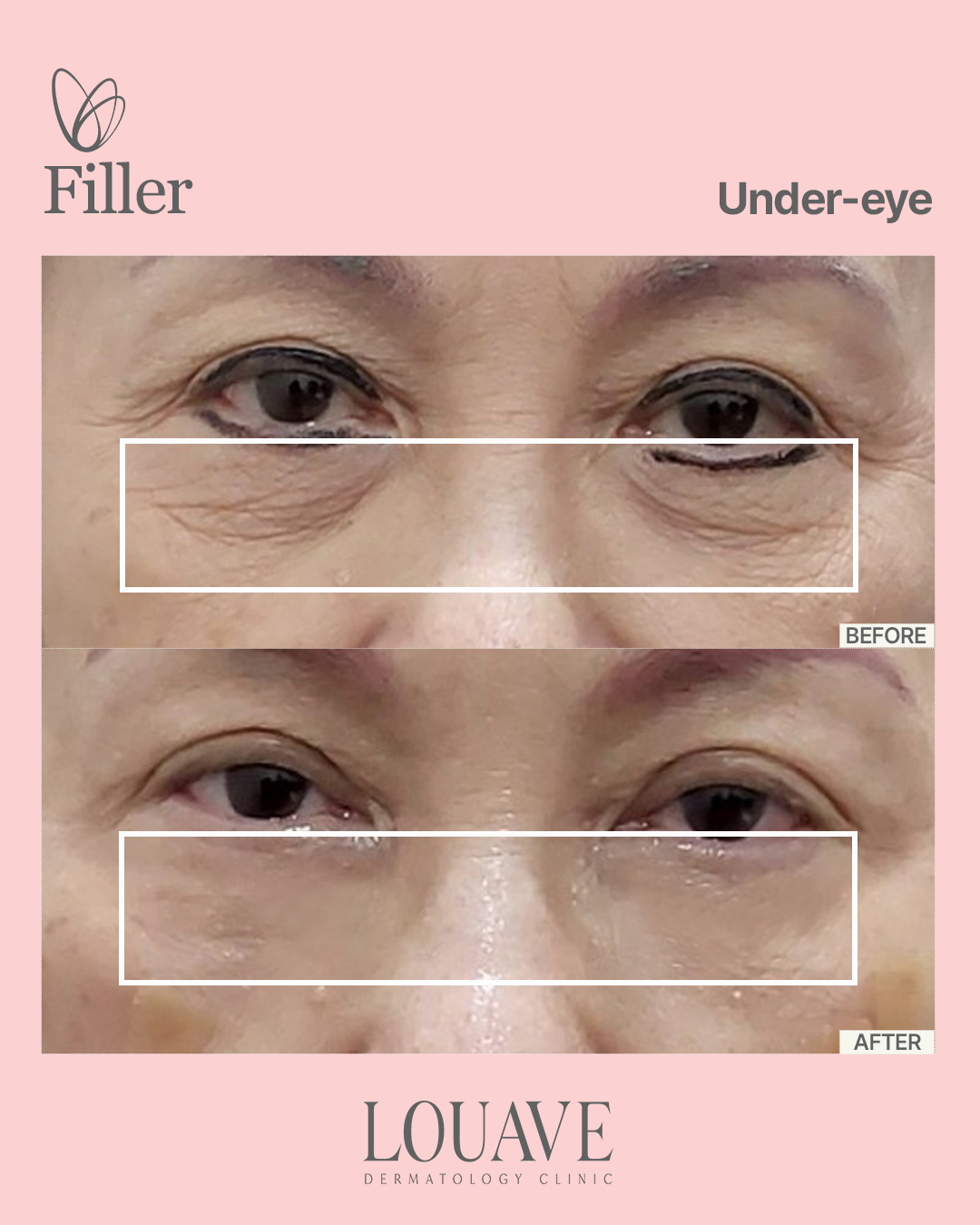
Dermal fillers may be considered when hollowness or deeper folds are related to structural volume loss.
Possible areas include:
- Temples
- Cheeks
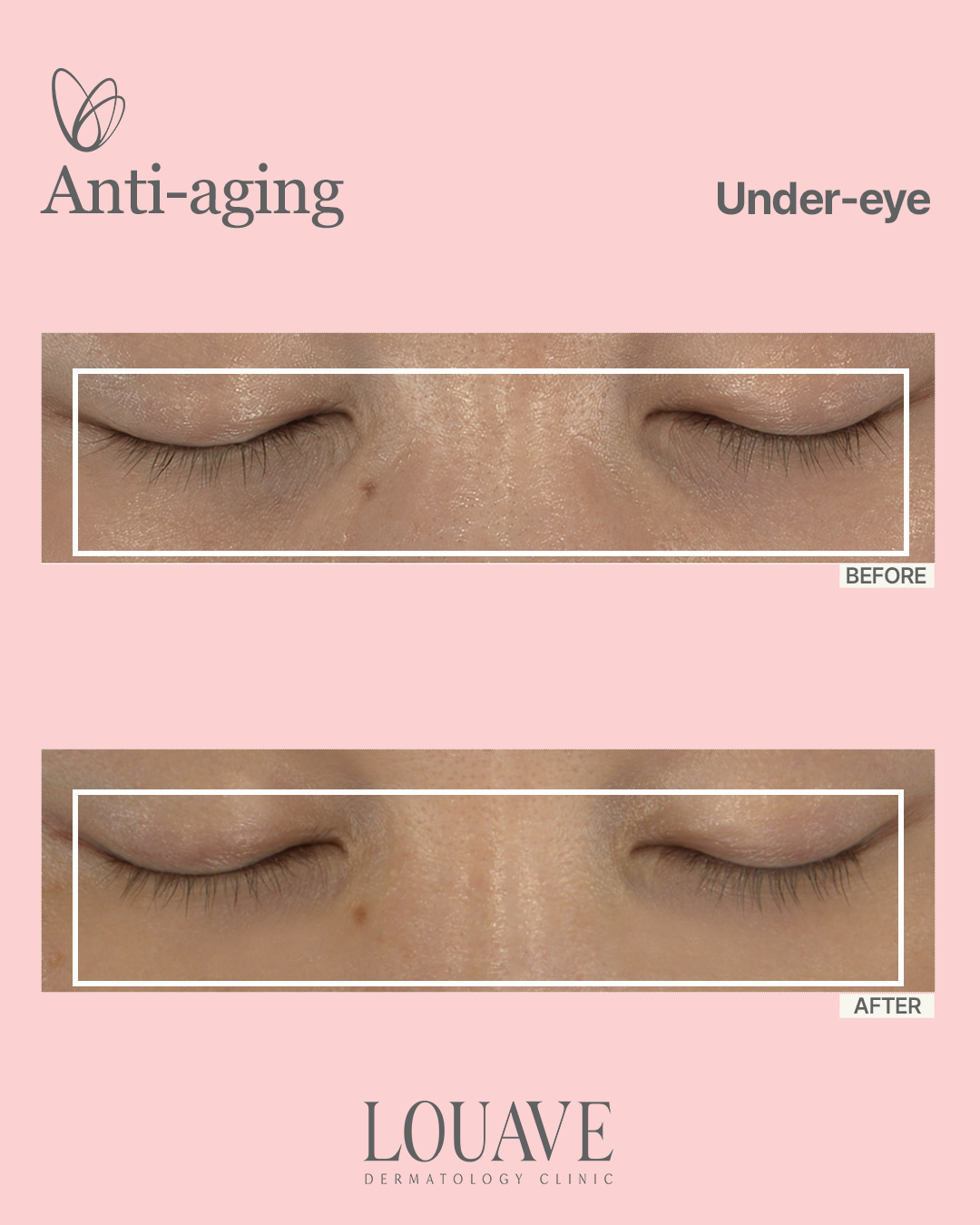
- Under-eye hollows in selected patients
- Lips
- Chin
- Jawline
- Deeper facial folds
The aim should generally be to restore support rather than enlarge every feature. Conservative treatment can reduce shadows while preserving natural proportions.
Fillers are medical implants and carry risks beyond temporary bruising or swelling. Accidental injection into a blood vessel can rarely cause skin necrosis, blindness, or stroke.
Patients should confirm the exact product, planned amount, injection area, expected duration, and the clinic’s emergency protocol.
Treating Mild Skin Laxity
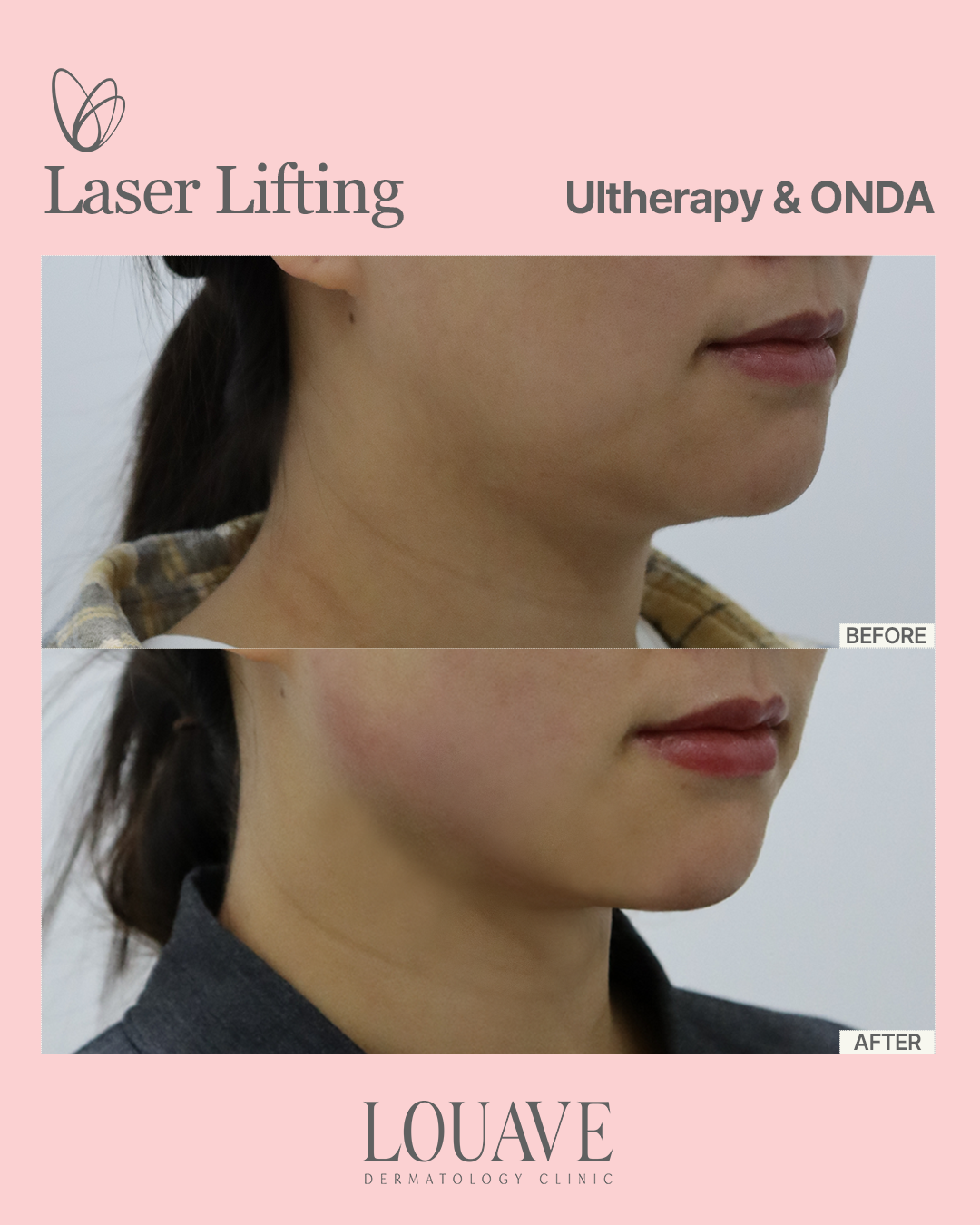
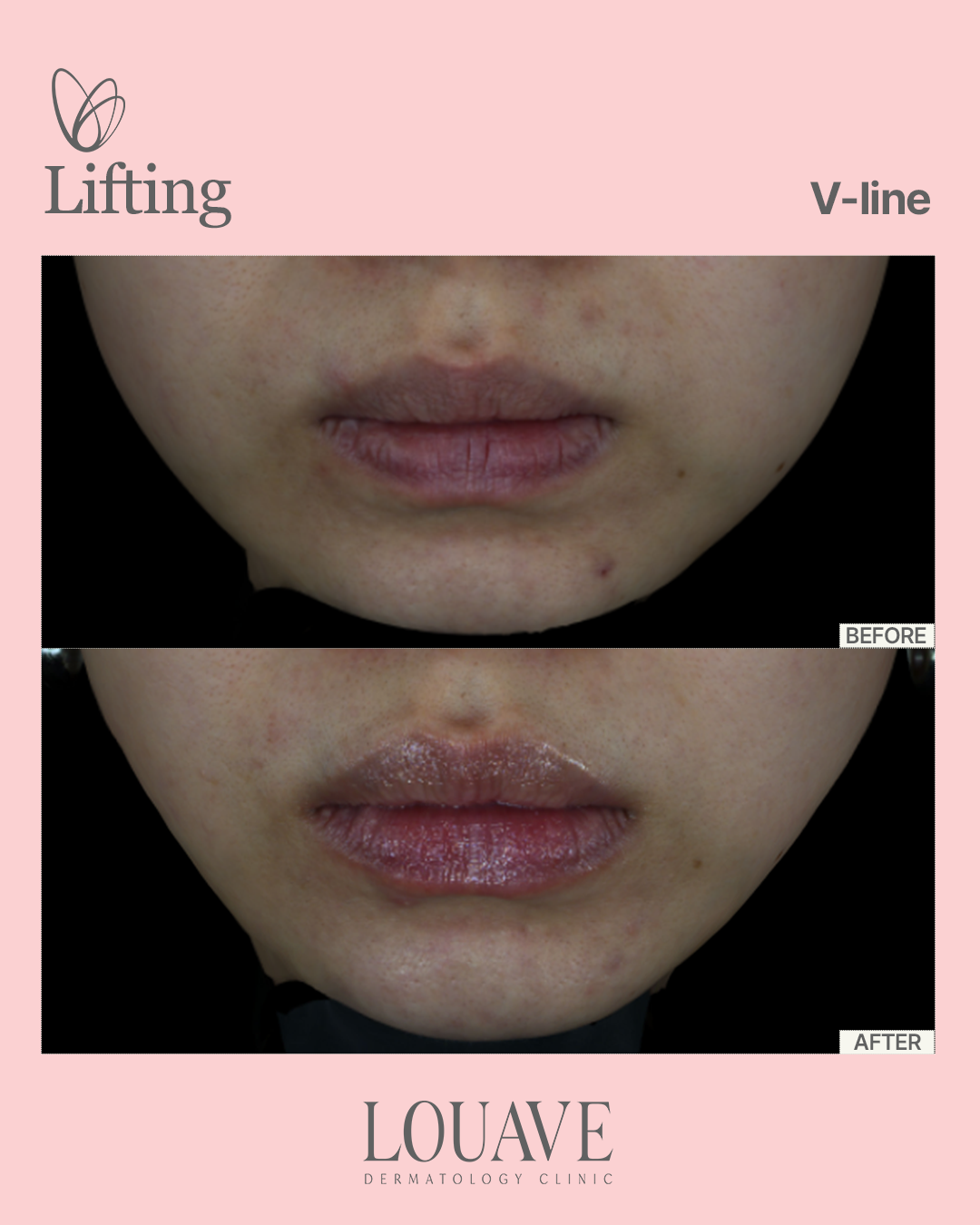
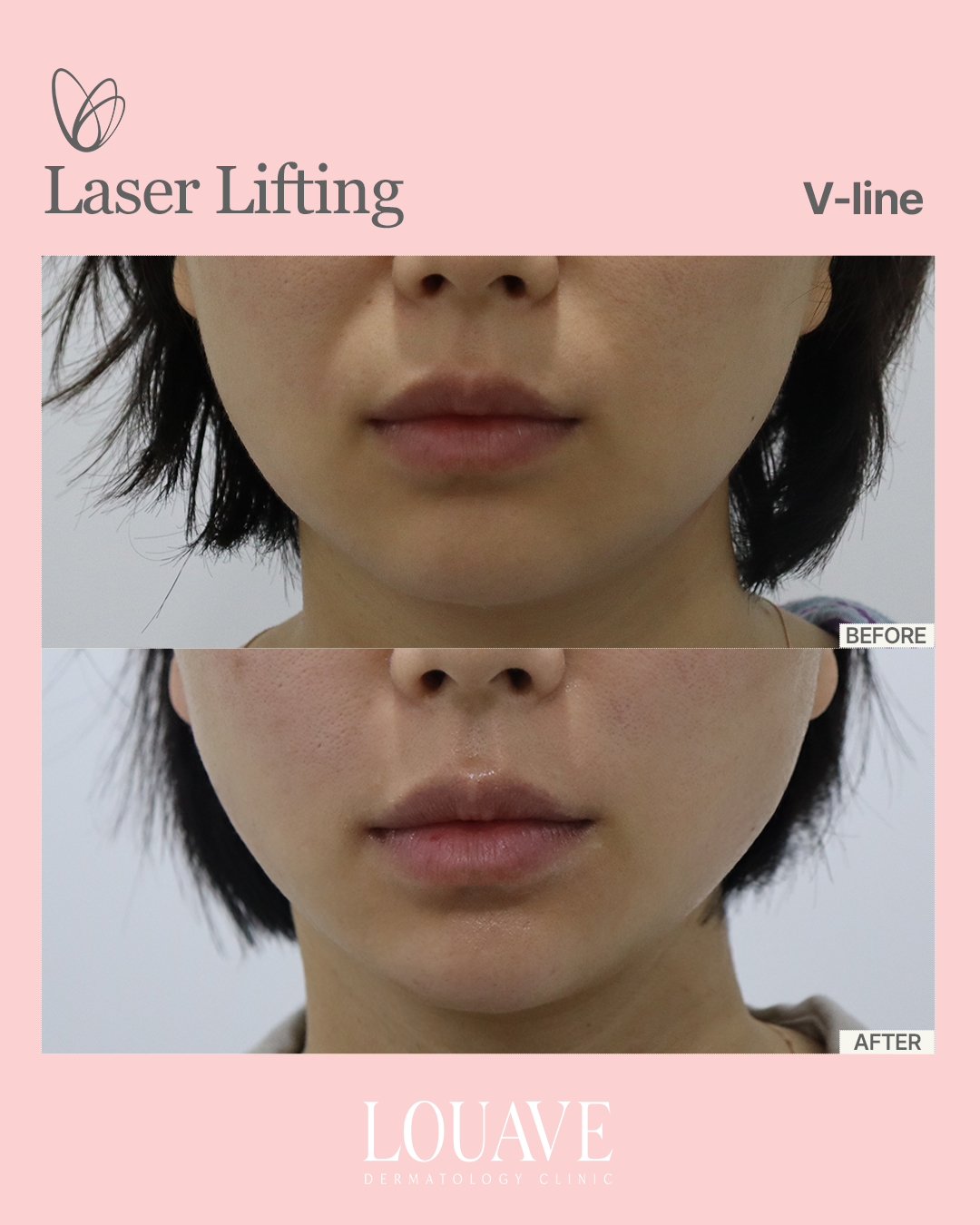
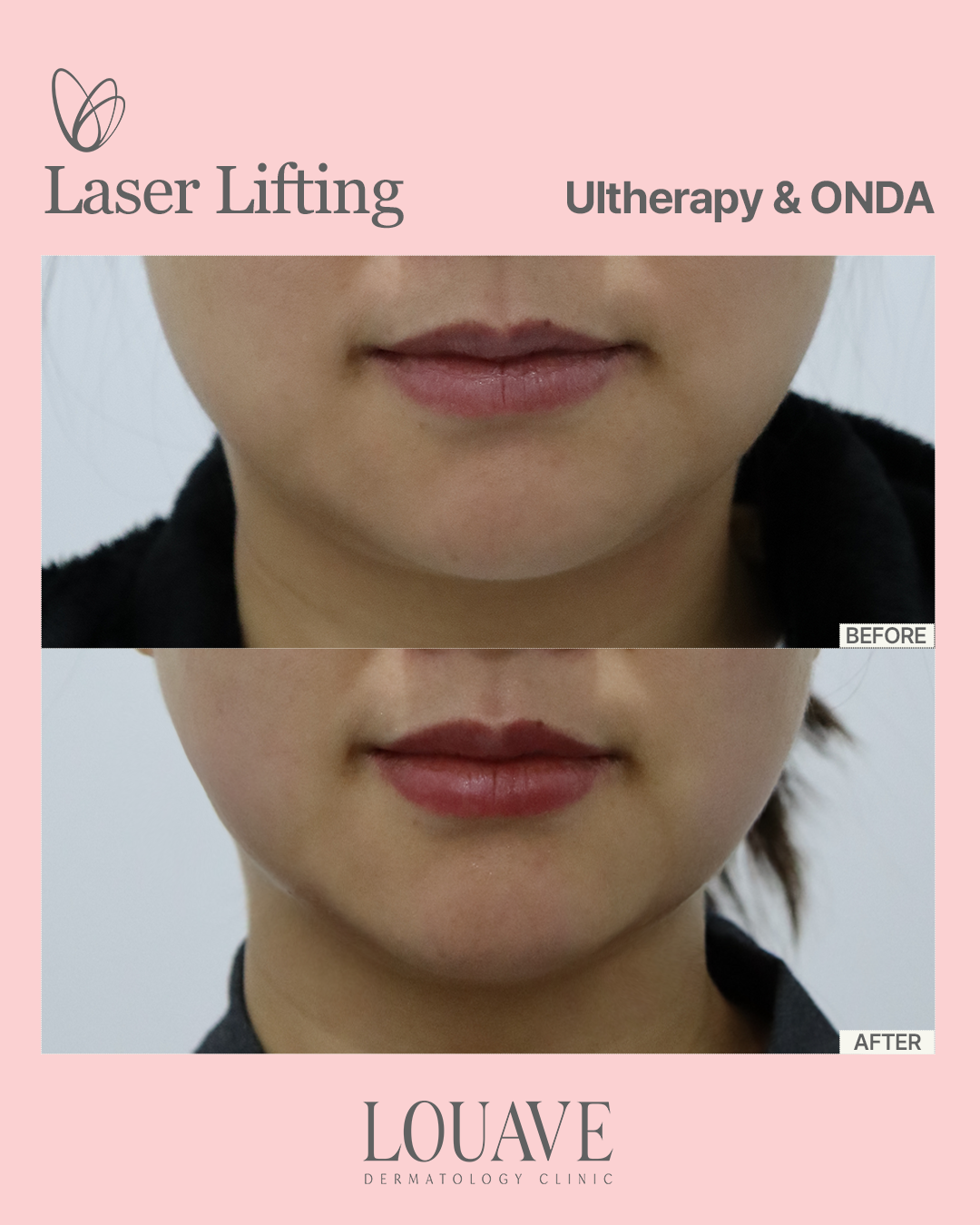
Energy-based procedures may be considered when mild laxity is present without enough tissue descent to require surgery.
Possible approaches include:
- Radiofrequency treatment
- Ultrasound-based treatment
- Radiofrequency microneedling
- Collagen-focused laser treatment
Results are generally gradual and vary according to skin thickness, age, treatment settings, and the degree of laxity.
Non-surgical devices cannot reproduce the amount of lifting possible with surgery. Patients with significant jowling, loose neck skin, or advanced facial descent may benefit from a surgical consultation rather than repeated energy treatments.
Why Treatments Are Often Staged
Facial aging rarely involves only one concern, but this does not mean every procedure should be performed during one appointment.
A staged plan may involve:
- Treating acne, rosacea, or dermatitis first
- Establishing sunscreen and skincare
- Correcting pigmentation or redness
- Improving texture after inflammation settles
- Softening selected expression lines
- Restoring limited volume when necessary
- Reassessing before treating laxity
Staging procedures allows swelling and irritation to resolve. It also helps the dermatologist determine whether another treatment would provide a meaningful benefit.
When Treatment Should Be Delayed
Facial rejuvenation may need to be postponed when the patient has:
- Active skin infection
- Open wounds
- Severe acne inflammation
- Rosacea or dermatitis flare
- Recent sunburn
- Significant peeling or barrier damage
- Active cold sores
- Unexplained facial swelling
- An undiagnosed skin lesion
Stabilizing the underlying condition can reduce the risk of burns, prolonged inflammation, pigmentation changes, infection, and delayed healing.
Planning Treatment During Your Stay
International patients seeking facial rejuvenation should tell the clinic about:
- Length of stay
- Departure date
- Important events
- Available downtime
- Current medication and skincare
- Previous fillers or injections
- Previous laser reactions
- History of melasma or dark marks
- Recent sun exposure
- Follow-up options after returning home
A short visit may be suitable for consultation, skincare planning, conservative botulinum toxin treatment, or a selected low-downtime procedure.
Stronger resurfacing, combination treatments, and procedures with delayed results may require follow-up that cannot be completed before departure.
Questions to Ask During Consultation
Consider asking:
- What is causing my aged or tired appearance?
- Is the main concern skin quality, muscle movement, volume loss, or laxity?
- Should an active skin condition be treated first?
- Which procedure targets my main concern?
- Is it suitable for my skin tone?
- Can the treatment be performed gradually?
- How much facial movement will remain?
- What downtime and complications are possible?
- Who will perform the procedure?
- How will follow-up continue after I leave?
Medical Assessment Supports Natural Results
Dermatologist-led facial rejuvenation is not defined by performing the newest or greatest number of procedures.
It begins with identifying the causes of visible aging and selecting targeted treatments for skin quality, expression lines, volume loss, or laxity. Medical oversight is also important for recognizing complications and treating underlying skin conditions.
A conservative, staged plan can refresh facial appearance while preserving natural movement, proportions, and individual features.