English-Speaking Dermatologist in Cheongdam
English-Speaking Dermatologist in Cheongdam
Finding an English-speaking dermatologist in Cheongdam can make it easier for international patients to explain their concerns, understand treatment options, and follow aftercare instructions.
Language support is especially important for prescription treatment, lasers, injectables, biopsies, and procedures with possible downtime. However, English service alone does not establish a clinic’s medical quality. Patients should also check the doctor’s qualifications, diagnostic approach, treatment experience, and follow-up system.
Why Direct Communication Matters
Cosmetic and medical dermatology decisions depend on details that may be difficult to communicate through simple photographs or translated keywords.
Patients may need to explain:
- When the condition began
- Whether symptoms itch, hurt, or burn
- Treatments already attempted
- Medication and allergies
- Previous laser or injection reactions
- Desired degree of cosmetic change
- Available recovery time
- Concerns about specific risks
Clear communication also allows the doctor to explain what a procedure can realistically improve, what it cannot correct, and whether another treatment would be more appropriate.
English-Speaking Doctor vs English-Speaking Coordinator
Some clinics offer direct consultation with a doctor who speaks English. Others provide communication through an English-speaking coordinator or medical interpreter.
Before booking, ask:
- Will the dermatologist conduct the consultation in English?
- Will an interpreter be present?
- Who translates the consent form?
- Can medical terminology be explained clearly?
- Will English support be available during the procedure?
- Who answers questions after treatment?
A coordinator can help with appointments, payments, and general instructions. However, diagnosis, medical risks, treatment alternatives, and informed consent should be communicated accurately between the patient and physician.
Check the Doctor’s Qualifications
In Korea, patients may encounter clinics offering skincare, cosmetic procedures, or aesthetic packages under different medical specialties.
Before treatment, confirm:
- Whether the doctor is a dermatologist
- Whether the doctor has completed dermatology specialist training
- Who will perform the examination
- Who will operate the laser or device
- Who will administer injectable treatment
- Whether the doctor regularly treats the patient’s specific concern
The Korean Dermatological Association is Korea’s principal professional organization in dermatology and supports specialist education and research. Patients can ask the clinic to clearly state the physician’s specialty and professional credentials.
Medical Diagnosis Should Come Before Cosmetic Treatment
A concern that appears cosmetic may be related to a medical skin condition.
Examples include:
- Facial redness caused by rosacea or dermatitis
- Brown patches caused by melasma
- Persistent bumps caused by acne or folliculitis
- Hair loss caused by inflammatory or scarring disease
- Nail discoloration caused by infection or another disorder
- A changing mole requiring examination or biopsy
Board-certified dermatologists receive medical training to diagnose and treat diseases affecting the skin, hair, and nails. This knowledge is also important when selecting cosmetic treatments and reducing avoidable complications.
A suspicious lesion should not be removed cosmetically before the diagnosis is clear.
What a Dermatology Consultation May Include
A consultation may involve:
- Medical and treatment history
- Examination of the affected skin
- Review of previous photographs
- Assessment of skin tone and pigmentation risk
- Discussion of current skincare
- Dermoscopy or magnified examination
- Evaluation of facial movement and anatomy
- Explanation of treatment alternatives
- Review of downtime and complications
Additional testing may be recommended for medical concerns. Depending on the condition, this could include skin scraping, patch testing, blood tests, biopsy, or laboratory testing of the hair or nails.
A consultation should provide enough information for the patient to decide whether treatment is appropriate. The American Academy of Dermatology recommends asking about the practitioner’s qualifications, expected results, risks, recovery, and experience performing the procedure.
Discuss the Exact Treatment or Product
Popular treatment names can differ between clinics and may not clearly identify what is being performed.
Before agreeing to treatment, ask for:
- Exact device name
- Type of laser or energy used
- Exact injectable product
- Manufacturer
- Treatment area
- Number of sessions
- Expected result
- Estimated duration
- Common side effects
- Serious complications
For botulinum toxin, filler, or skin-booster treatment, confirm who will perform the injection and how complications are managed.
For laser treatment, ask whether the settings will be adjusted for the diagnosis, skin tone, recent sun exposure, and history of post-inflammatory pigmentation.
Bring Useful Information to the Appointment
International patients should prepare:
- Passport or identification requested by the clinic
- Medication and supplement list
- Known allergies
- Previous diagnosis
- Laboratory or biopsy reports
- Names of previous injectable products
- Dates of recent lasers or cosmetic procedures
- Photographs showing earlier symptoms
- Current skincare products
- Information about pregnancy or breastfeeding
For recurring rashes, hives, swelling, or acne, photographs taken during an active flare can be especially helpful if the symptoms improve before the appointment.
Patients should also explain whether they are using prescription retinoids, blood-thinning medication, immune-modulating treatment, or medication that may affect healing.
Be Careful With Standard Treatment Packages
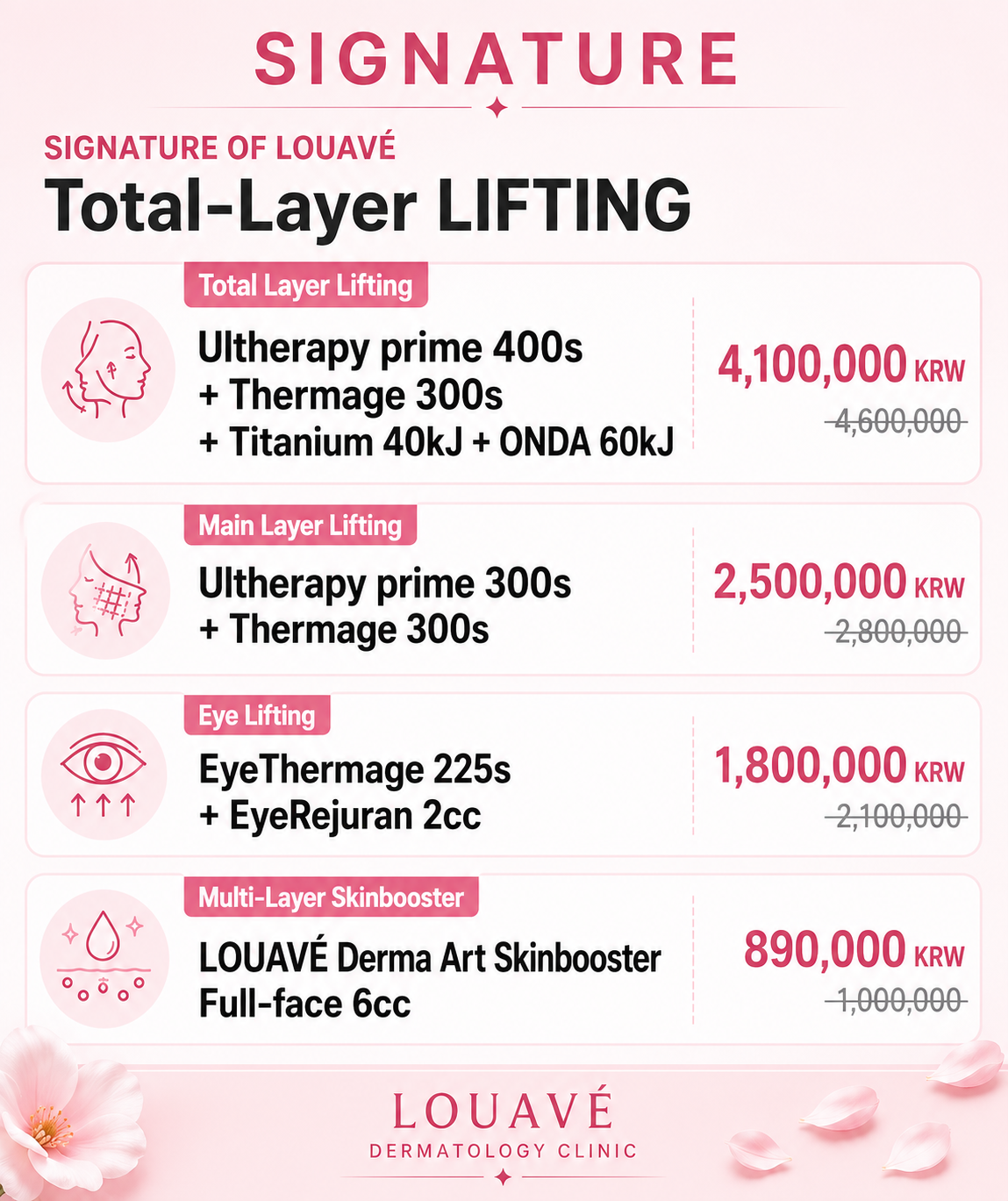
Cheongdam clinics may offer packages for pigmentation, pores, lifting, glass skin, acne scars, or facial rejuvenation.
Packages can be convenient, but patients should not assume that every included procedure is necessary.
Ask:
- What diagnosis is the package based on?
- Which procedure addresses my main concern?
- Can unnecessary components be removed?
- Can treatment be staged?
- Is the plan appropriate for my skin tone?
- Will several procedures create excessive inflammation?
- What happens if I choose only one treatment?
A personalized plan may involve prescription skincare or one targeted procedure rather than a large combination package.
Planning Treatment During Your Stay
Tell the clinic about:
- Length of stay
- Departure date
- Important photographs or events
- Available downtime
- Planned outdoor activities
- Follow-up options after leaving Korea
A brief visit may be suitable for consultation, medical skincare, or a conservative procedure. Strong resurfacing, biopsies, filler complications, and multi-session treatments may require more time.
Korea operates a registration system for medical institutions and agencies involved in attracting foreign patients. The official Medical Korea system provides registration and accreditation information, although registration should not be interpreted as a guarantee that every treatment is appropriate for a particular patient.
Before treatment, confirm:
- When follow-up is required
- When biopsy or laboratory results will be ready
- How English records will be provided
- Whether prescriptions can be continued at home
- Who to contact after departure
- How complications will be coordinated internationally
Medical Korea also recognizes pre-consultation and post-treatment management for foreign patients, highlighting the importance of continued care rather than treating the visit as a single isolated appointment.
Questions to Ask During Consultation
Consider asking:
- What is my diagnosis?
- Are you a dermatology specialist?
- Will the doctor communicate directly in English?
- What result is realistic?
- Are there less invasive alternatives?
- What device or product will be used?
- What downtime should I expect?
- What complications are possible?
- Who will perform the treatment?
- How will follow-up continue after I leave Korea?
Choose Communication and Medical Quality Together
An English-speaking dermatologist in Cheongdam can help international patients understand their diagnosis, compare treatment options, and make informed decisions.
However, language convenience should be considered together with specialist qualifications, physician involvement, transparent product information, appropriate treatment selection, and reliable follow-up.
A clinic that communicates clearly should be willing to explain not only what treatment is available, but also why it is recommended, what risks are involved, and when no procedure may be the better choice.