Physician-Led Cosmetic Dermatology
Physician-Led Cosmetic Dermatology
Physician-led cosmetic dermatology places medical assessment, treatment planning, and complication management under the direction of a qualified doctor with training in skin anatomy and disease.
Cosmetic procedures may appear simple, but lasers, chemical peels, injectables, and energy-based devices can cause burns, pigmentation changes, infection, scarring, or vascular complications when used inappropriately. Results depend substantially on correct patient selection and the experience of the practitioner.
Medical Evaluation Before Treatment
A cosmetic concern may sometimes be related to an underlying skin condition.
For example:
- Facial redness may be rosacea or dermatitis
- Brown patches may be melasma rather than ordinary sun spots
- Persistent bumps may be acne or folliculitis
- Rough lesions may require examination before laser removal
- Hair loss may be inflammatory or scarring
- A changing mole may require biopsy rather than cosmetic removal
A dermatologist can evaluate medical skin conditions as well as cosmetic concerns, helping ensure that treatment targets the correct problem.
What Happens During Consultation?
A physician-led consultation may include reviewing:
- Primary concerns and desired results
- Skin type and pigmentation tendency
- Active acne, rosacea, eczema, or infection
- Previous lasers, fillers, and injections
- History of abnormal scarring
- Medication and supplements
- Allergies and medical conditions
- Available recovery time
- Upcoming travel or important events
- Expectations and treatment priorities
The doctor may also assess the face at rest and during expression, examine the skin under magnification, and take baseline photographs.
Treatment should not be recommended solely from photographs, age, or a pre-designed package when a physical examination is necessary.
Selecting the Appropriate Procedure
Different concerns require different treatments.
A physician-led plan may include:
- Prescription skincare for acne or pigmentation
- Chemical peels for selected surface concerns
- Pigment lasers for freckles or sun spots
- Vascular lasers for redness and visible vessels
- Fractional resurfacing for texture and scars
- Botulinum toxin for expression lines
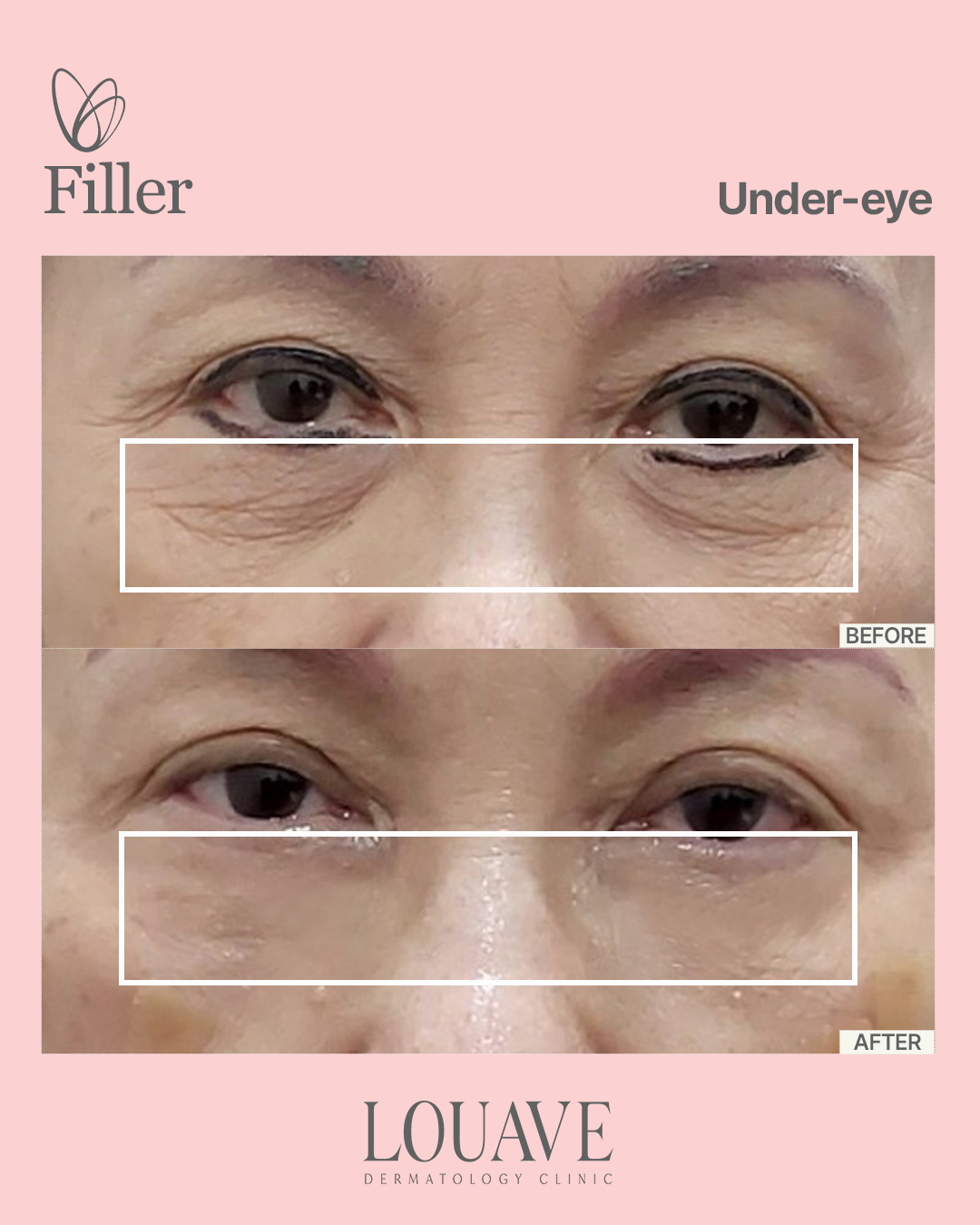
- Dermal fillers for selected volume loss
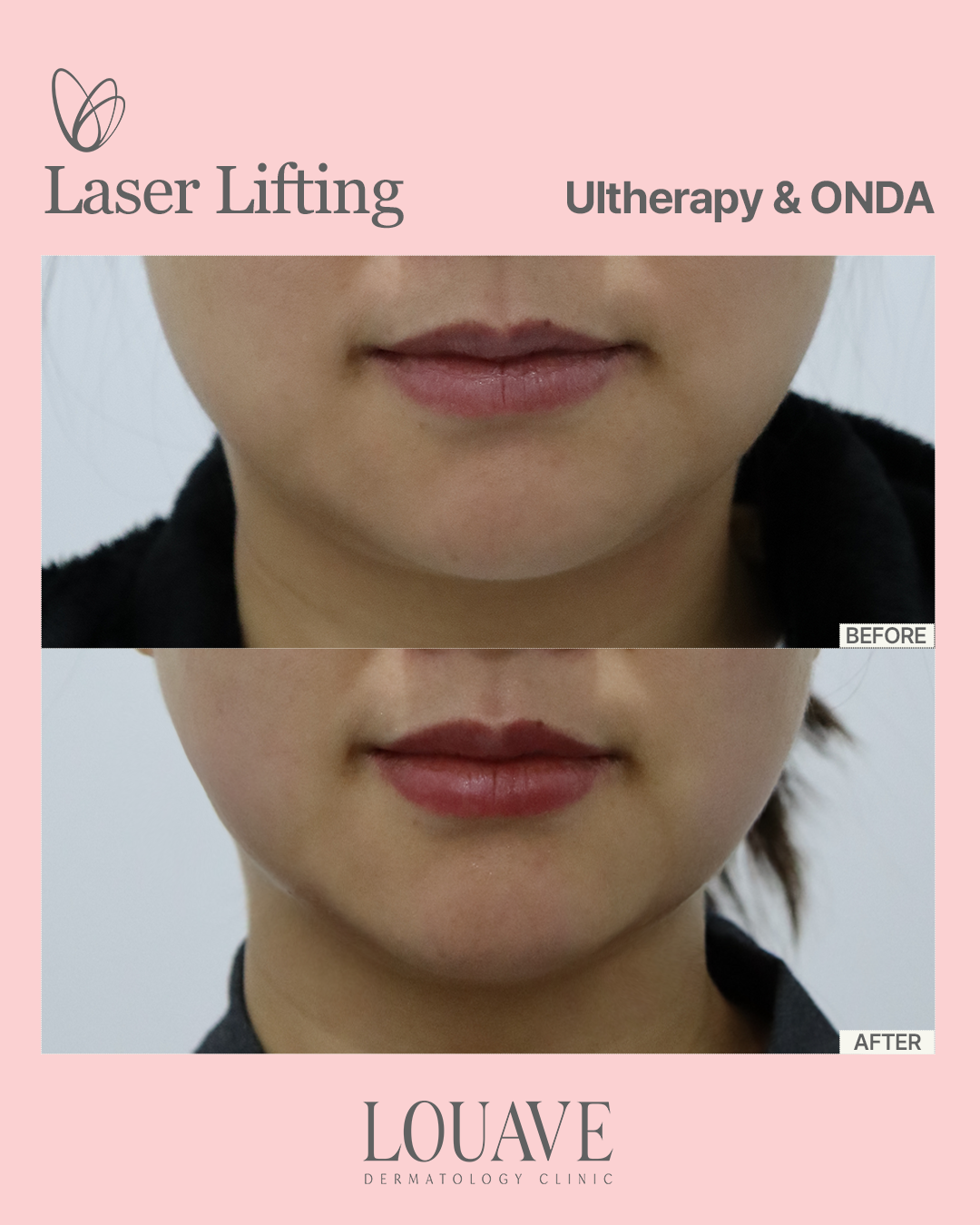
- Microneedling or radiofrequency treatment
- Medical treatment before cosmetic procedures
One device cannot treat every form of pigmentation, redness, scarring, or aging. A doctor should explain why a particular procedure is appropriate and which concerns it will not correct.
Why Laser Settings Matter
Laser treatment must be adjusted according to:
- Diagnosis
- Skin tone
- Pigment depth
- Treatment area
- Device wavelength
- Energy and pulse duration
- Previous treatment response
- Risk of post-inflammatory pigmentation
Patients with darker or pigmentation-prone skin may be more vulnerable to burns and dark marks after inappropriate laser treatment. A medical consultation and treatment plan tailored to the patient’s skin are therefore important.
More aggressive settings do not automatically produce better results. Conservative treatment may be safer when the diagnosis is uncertain, the skin is inflamed, or the patient has limited recovery time.
Medical Oversight for Injectables
Botulinum toxin and dermal fillers require knowledge of facial anatomy, muscle movement, blood vessels, product properties, and complication management.
Before treatment, the physician should determine:
- Whether the concern is muscle movement or volume loss
- Which anatomical areas should be treated
- Which product is suitable
- How much product is appropriate
- Whether previous filler is present
- How natural expression and balance will be preserved
- Whether the patient has risk factors requiring caution
Botulinum toxin injection may look straightforward, but accurate placement requires detailed understanding of facial muscles.
Dermal filler can rarely enter or compress a blood vessel. This may cause skin injury, blindness, stroke, or other permanent complications, making early recognition and emergency response essential.
When Treatment Should Be Delayed
A physician may recommend postponing cosmetic treatment when the patient has:
- Active skin infection
- Open wounds
- Severe acne inflammation
- Rosacea or dermatitis flare
- Recent sunburn or tanning
- Unexplained facial swelling
- Active cold sores near the treatment area
- Recent procedures that have not fully healed
- A suspicious or undiagnosed skin lesion
Delaying treatment does not mean that cosmetic care is impossible. It allows the underlying condition to stabilize and may reduce the risk of complications.
A Staged Plan Can Produce More Natural Results
Patients often have several concerns at the same time, including pigmentation, redness, texture changes, expression lines, and volume loss.
Rather than performing every available procedure during one visit, a staged plan may involve:
- Treating active skin disease first
- Establishing sunscreen and skincare
- Correcting the most noticeable concern
- Allowing swelling or inflammation to resolve
- Reassessing before adding another treatment
- Maintaining results conservatively
This approach reduces unnecessary treatment and makes it easier to determine which procedure produced improvement or irritation.
Follow-Up and Complication Management
Physician-led care should continue after the procedure.
Patients should receive clear information about:
- Normal recovery symptoms
- Skincare and cleansing
- Sun and heat exposure
- Exercise restrictions
- Medication or ointment use
- Warning signs
- Emergency contact methods
- Timing of follow-up
- When results can be assessed accurately
Seek prompt medical advice for severe pain, rapidly increasing swelling, blistering, pus, fever, vision changes, pale or mottled skin after filler, or difficulty swallowing or breathing.
A clinic should be prepared not only to perform a procedure but also to recognize and manage complications.
Planning Treatment During an International Visit
Patients receiving cosmetic dermatology treatment while traveling should tell the physician about:
- Departure date
- Length of stay
- Important events
- Previous procedures and product names
- Current medication
- History of pigmentation or scarring
- Planned sun exposure
- Follow-up options after returning home
Stronger lasers, biopsies, injectable treatments, and combination procedures may require follow-up that cannot be completed during a short stay.
Before treatment, confirm how medical records, procedure details, photographs, and follow-up instructions can be provided for a doctor in the patient’s home country.
Questions to Ask Before Treatment
Consider asking:
- What diagnosis or skin concern are we treating?
- Who will perform each part of the procedure?
- Why is this treatment suitable for my skin?
- What product or device will be used?
- What results are realistic?
- What are the common and serious risks?
- How much downtime should I expect?
- How are complications managed?
- When should the result be reviewed?
- What follow-up is available after I leave?
Medical Judgment Should Guide Cosmetic Treatment
Physician-led cosmetic dermatology is not defined by using the newest machine or performing the greatest number of procedures.
It means evaluating the skin medically, selecting treatment according to diagnosis and anatomy, using appropriate products and settings, and providing reliable follow-up when complications occur.
A conservative, diagnosis-based plan can improve skin quality and facial balance while avoiding unnecessary procedures and preserving a natural appearance.