Personalized Skin Rejuvenation in Seoul
Personalized Skin Rejuvenation in Seoul
Personalized skin rejuvenation begins by identifying why the skin appears tired, uneven, rough, or aged. Pigmentation, redness, acne scars, muscle movement, volume loss, dryness, and laxity require different treatments, even when patients describe the same concern.
Rather than following one standard package, a dermatologist may combine skincare, lasers, resurfacing, injectables, or energy-based procedures according to the patient’s skin condition, anatomy, skin tone, recovery schedule, and desired degree of change.
What Is Personalized Skin Rejuvenation?
A personalized plan may aim to improve:
- Uneven skin tone
- Freckles or sun spots
- Persistent redness
- Rough texture
- Fine lines
- Acne scars
- Dehydrated-looking skin
- Expression lines
- Facial volume loss
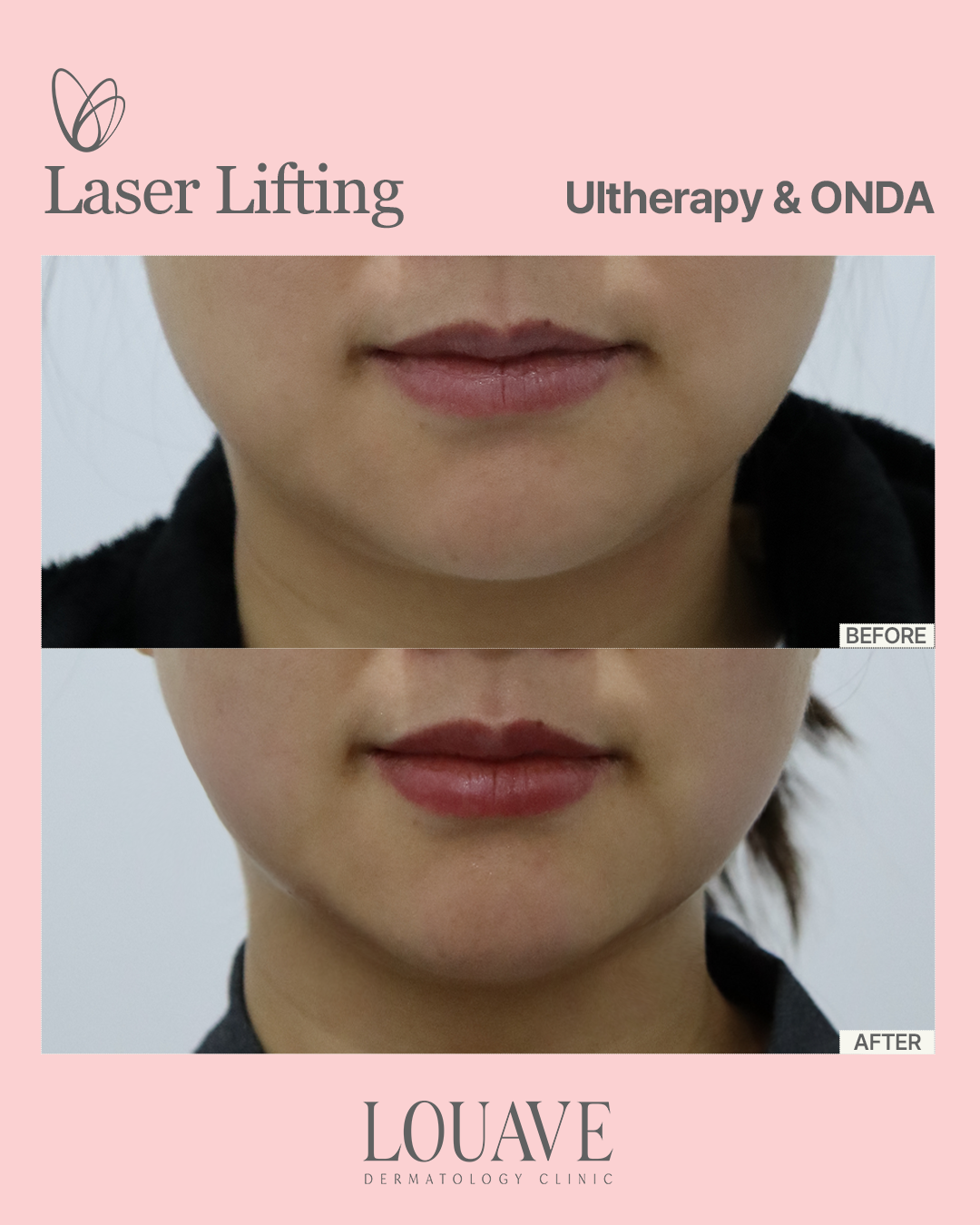
- Mild skin laxity
Cosmetic procedures can look simple, but selecting and performing them safely requires medical knowledge of the skin. Assessment by an appropriately trained physician can reduce unnecessary treatment and help identify conditions that should be medically controlled first.
Skin Assessment Comes Before Treatment
During consultation, the dermatologist may evaluate:
- Skin-barrier condition
- Active acne or inflammation
- Pigment type and depth
- Visible blood vessels
- Scar shape and depth
- Pore visibility
- Facial muscle activity
- Volume distribution
- Skin laxity
- Existing asymmetry
Previous treatments, current skincare, medication, sun exposure, melasma history, cold sores, abnormal scarring, and post-inflammatory pigmentation should also be discussed.
For example, a brown patch may be a freckle, sun spot, melasma, or pigmentation following inflammation. Treating all four with the same laser may produce an unsatisfactory result or worsen discoloration.
Treat Active Skin Conditions First
Cosmetic procedures may need to be delayed when the patient has:
- Inflamed acne
- Rosacea flare
- Contact dermatitis
- Active eczema
- Skin infection
- Open wounds
- Recent sunburn
- Severe peeling or barrier damage
Controlling inflammation first can make later cosmetic treatment safer and more predictable. Prescription skincare may sometimes provide greater benefit than immediately beginning lasers, peels, or injections.
Patients should also avoid introducing several strong skincare ingredients immediately before a procedure unless instructed by the clinic.
Treating Pigmentation and Uneven Tone
Pigmentation treatment depends on the diagnosis.
Possible options include:
- Prescription or medical skincare
- Superficial chemical peels
- Pigment-targeting lasers
- Selected light-based procedures
- Daily sunscreen
- Combination treatment over several visits
Chemical peels may improve selected pigmentation, fine lines, acne, and surface irregularity, but peel depth and strength must be chosen carefully. Deeper or more aggressive peels involve greater recovery and complication risk.
Patients prone to pigmentation require particular caution. Skin injury caused by lasers, peels, or inflammation can trigger post-inflammatory darkening, and some physical treatments may aggravate pigmentation rather than improve it.
Treating Redness and Visible Vessels
Persistent facial redness may result from:
- Rosacea
- Visible capillaries
- Acne inflammation
- Dermatitis
- Skin-barrier irritation
- Repeated flushing
Vascular lasers or selected light-based devices may help reduce visible vessels, while inflammatory rosacea may also require medication, gentle skincare, and trigger management.
A redness treatment should be selected according to whether the main problem is enlarged vessels, active inflammation, flushing, or irritation. Treating irritated skin aggressively may increase sensitivity rather than create a clearer complexion.
Improving Texture and Acne Scars
Treatment for rough texture, enlarged-looking pores, or acne scars may include:
- Microneedling
- Radiofrequency microneedling
- Non-ablative fractional laser
- Fractional ablative laser
- Chemical peels
- Subcision for selected depressed scars
- Combination scar treatment
Microneedling creates controlled microscopic injury and is used to support gradual skin remodeling. It may be considered for scars, wrinkles, and uneven texture, but multiple sessions are often needed.
Fractional lasers may improve facial lines, sun damage, and surgical or acne scars. However, treatment settings should be adjusted for skin type, treatment area, sun exposure, and pigmentation risk. Fractional procedures may themselves cause post-inflammatory pigmentation, particularly when used aggressively or in pigmentation-prone skin.
Treating Expression Lines
Botulinum toxin may be considered when wrinkles are mainly caused by repeated facial movement.
Common areas include:
- Forehead
- Frown lines
- Crow’s feet
- Selected lower-face muscles
Treatment temporarily reduces contraction in selected muscles, and cosmetic effects commonly last around three to four months.
A personalized plan should consider muscle strength, eyebrow position, facial asymmetry, and the amount of movement the patient wishes to preserve. The goal does not always need to be complete muscle immobilization.
Botulinum toxin will not directly correct pigmentation, acne scars, surface roughness, facial hollowness, or significant laxity.
Restoring Facial Volume
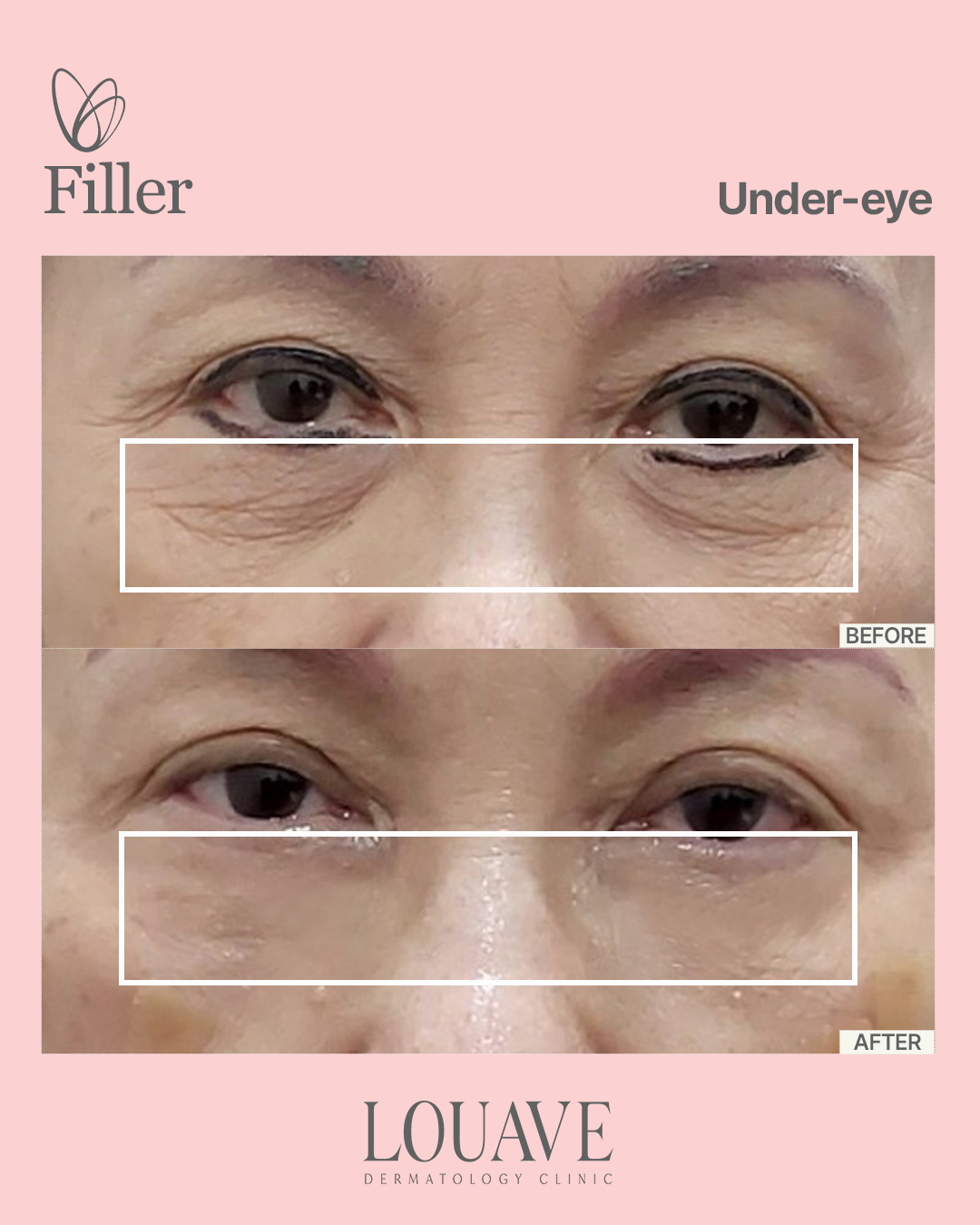
Dermal fillers may be considered when shadows, folds, or a tired appearance are caused by volume loss rather than skin texture alone.
Possible treatment areas include:
- Temples
- Cheeks
- Under-eye hollows
- Lips
- Chin
- Jawline
- Deeper folds
Fillers can restore fullness and support selected facial contours, and many provide an immediate visible change.
Treatment should remain conservative because excessive volume can alter natural proportions. Fillers are also medical implants with potential complications. The most serious risk is unintended injection into a blood vessel, which can reduce tissue blood supply and potentially cause permanent injury.
Patients should ask about the exact product, amount, treatment depth, expected duration, and the clinic’s emergency protocol.
Why a Staged Plan Often Works Better
Natural rejuvenation frequently involves several smaller treatments rather than one aggressive session.
A staged plan might include:
- Stabilizing the skin barrier
- Treating active acne or rosacea
- Beginning daily sunscreen and medical skincare
- Correcting pigmentation or redness
- Improving texture after inflammation settles
- Using conservative botulinum toxin
- Restoring limited volume only when needed
Spacing procedures allows swelling and irritation to resolve before the result is reassessed. It also makes it easier to determine which treatment produced improvement or caused an unwanted reaction.
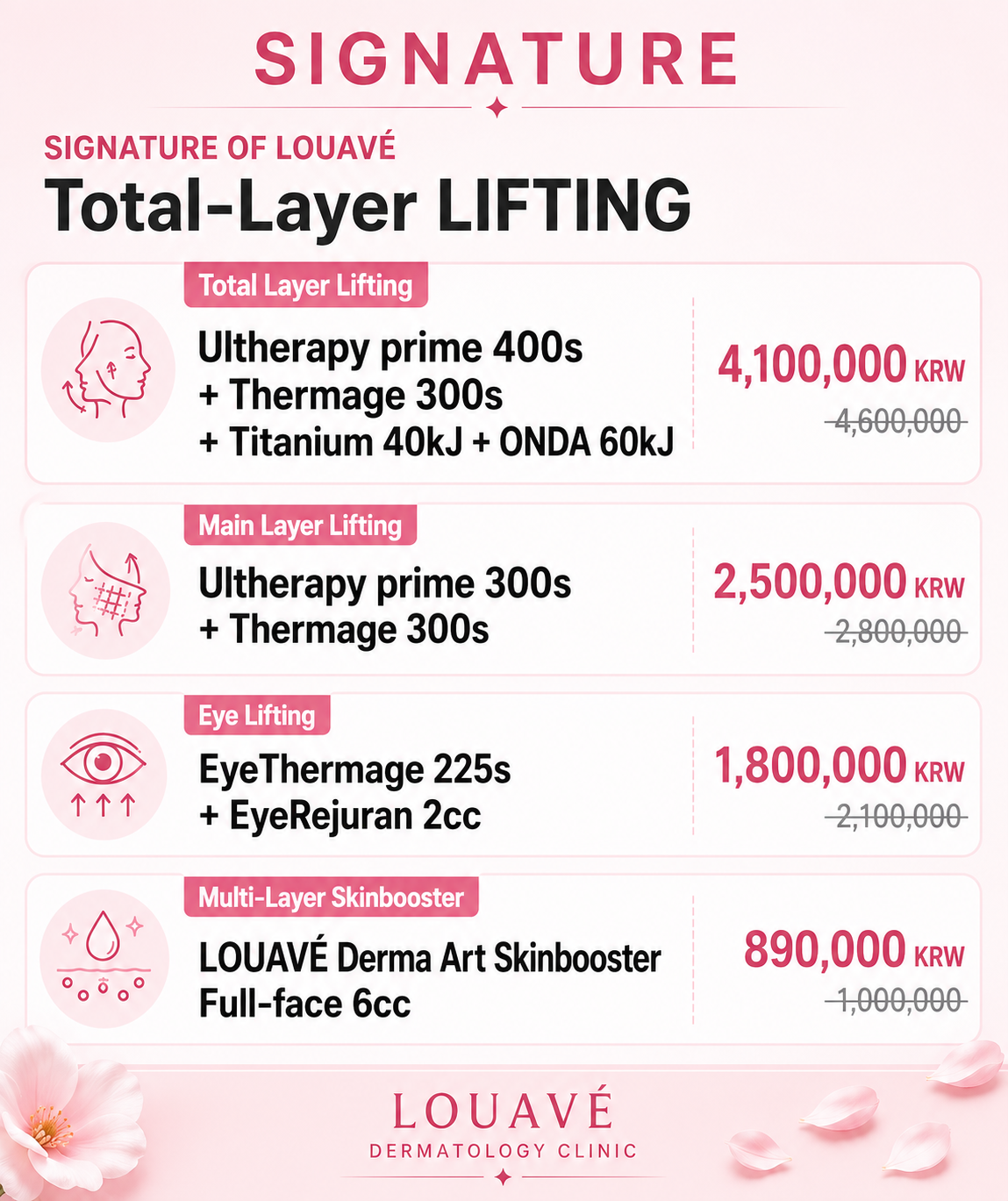
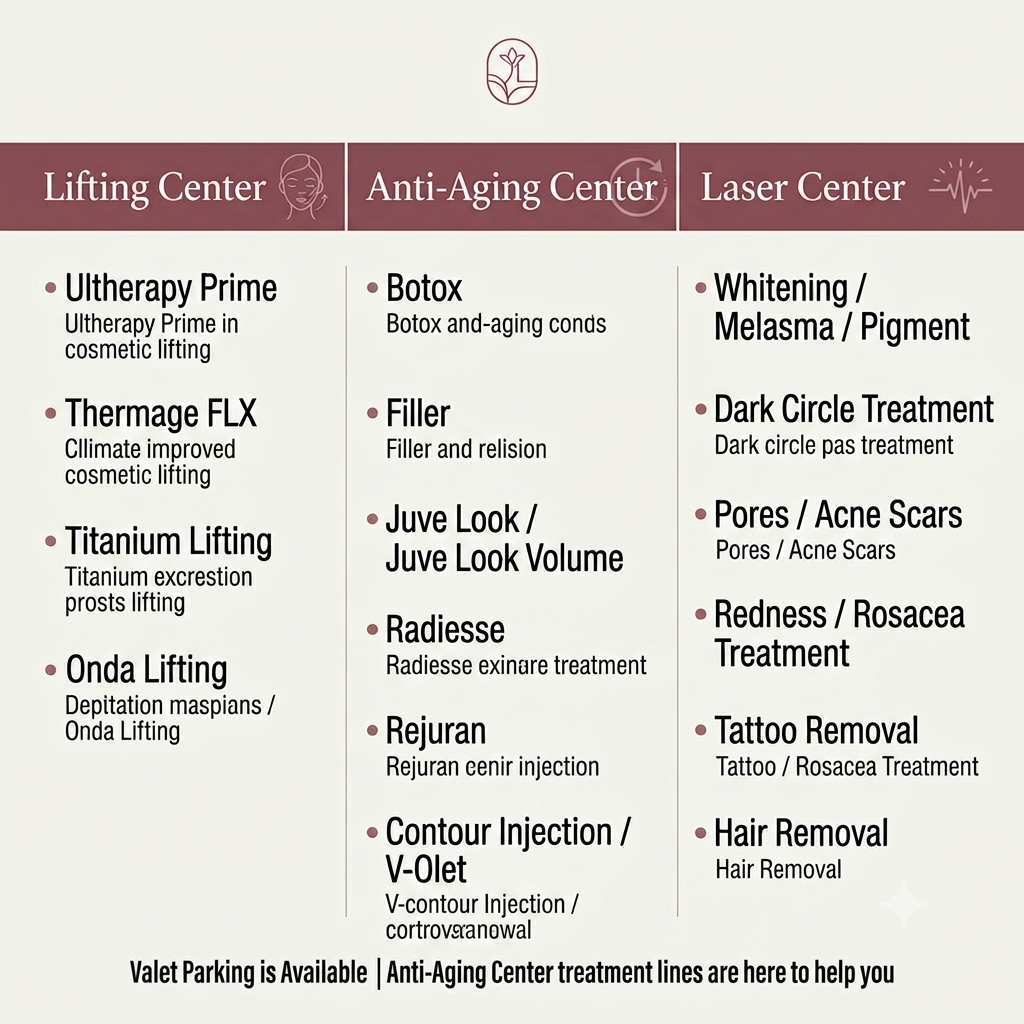
Not every patient needs lasers, injectables, and lifting treatments at the same time.
Downtime Should Match the Treatment
Possible temporary reactions include:
- Redness
- Swelling
- Bruising
- Dryness
- Peeling
- Small crusts
- Injection marks
- Temporary darkening of pigment
- Increased sensitivity
A superficial peel or gentle non-ablative procedure may involve relatively limited recovery. Ablative resurfacing creates greater skin injury and may cause redness and tenderness for several weeks while the skin heals.
The strongest procedure is not automatically the best option. Treatment intensity should match the concern, skin tone, recovery time, and willingness to accept risk.
Planning Treatment During Your Stay in Seoul
International patients should tell the clinic about:
- Length of stay
- Departure date
- Important events
- Available downtime
- Outdoor travel plans
- Recent sun exposure
- Current medication and skincare
- Previous lasers or injectables
- History of melasma or dark marks
- Tendency to develop raised scars
- Follow-up options after returning home
A short visit may be suitable for consultation, skincare planning, conservative injections, or selected low-downtime procedures.
Stronger resurfacing, scar treatment, and multi-session pigment correction may require follow-up that cannot be completed during a brief stay. Patients should confirm how results, procedure records, aftercare instructions, and complications will be managed after departure.
Questions to Ask During Consultation
Consider asking:
- What is causing my main skin concern?
- Should a medical skin condition be treated first?
- Which treatment targets pigmentation, redness, texture, or volume?
- Is the procedure suitable for my skin tone?
- What improvement is realistic from one session?
- Do I need combination treatment?
- How much downtime should I expect?
- What are the common and serious risks?
- Who will perform the procedure?
- How will follow-up continue after I leave Seoul?
Personalization Is More Important Than the Number of Procedures
Personalized skin rejuvenation does not mean combining every popular treatment into one package.
Some patients may benefit most from barrier repair and prescription skincare. Others may need targeted treatment for pigmentation, vessels, scars, expression lines, or volume loss.
For patients seeking skin rejuvenation in Seoul, a diagnosis-based and staged plan can improve skin quality and facial balance while reducing unnecessary procedures, excessive downtime, and an over-treated appearance.